Ditapis dengan

Red cloud at dawn: Truman, stalin, and the end of the atomic monopoly
On August 29, 1949, the first Soviet test bomb, dubbed “First Lightning,” exploded in the deserts of Kazakhstan. This startling event was not simply a technical triumph that confirmed the ability of the Soviet Union to build nuclear bombs during a period when the United States held a broadcast monopoly. It was also an international event that marked the beginning of an arms race that would …
- Edisi
- -
- ISBN/ISSN
- 978-0-374-25682-1
- Deskripsi Fisik
- xii, 402 pages ; 23 cm
- Judul Seri
- -
- No. Panggil
- 355.825 GOR r
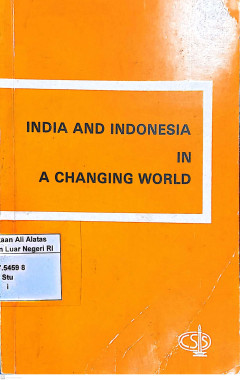
India and Indonesia in a changing world
Neither India nor Indonesia may yet be categorized as a super- power, rather, they are both developing countries within the total spectrum of nations in this single world. This reality can not be denied. However, even though neither of us are superpowers, both In- dia and Indonesia have definite roles to play in international relations. There can be no doubt that the roles of India and Indonesi…
- Edisi
- First Edition
- ISBN/ISSN
- -
- Deskripsi Fisik
- x, 131 pages ; 22 cm
- Judul Seri
- -
- No. Panggil
- 327.54598 Stu i

The end of history and the last man
Ever since its first publication in 1992, The End of History and the Last Man has provoked controversy and debate. Francis Fukuyama's prescient analysis of religious fundamentalism, politics, scientific progress, ethical codes, and war is as essential for a world fighting fundamentalist terrorists as it was for the end of the Cold War. Now updated with a new afterword, The End of History and th…
- Edisi
- Ed. 1
- ISBN/ISSN
- 978-0-7432-8455-4
- Deskripsi Fisik
- xxiii, 432 pages ; 21 cm
- Judul Seri
- -
- No. Panggil
- 901 Fuk e
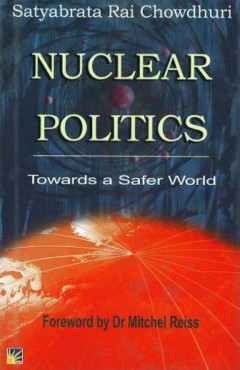
Nuclear politics: Towards a safer world
The past few years have witnessed a number of remarkable developments in the field of nuclear arms control and non proliferation. The United States and the Soviet Union (now Russia) signed the START I and II agreements, which promised to reduce the nuclear arsenals of the two countries by two-thirds, to approximately 3,000 nuclear warheads each by the year 2003. President Bush's announcement on…
- Edisi
- -
- ISBN/ISSN
- 1-932705-02-3
- Deskripsi Fisik
- ix, 672 pages : bibl: hlm 626-650 : index ; 22 cm
- Judul Seri
- -
- No. Panggil
- 327.174 Cho m

International politics: States, power, and conflict since 1945
International politics (or international relations) is a subject rather than a discipline, a field rather than a form of knowledge. In contrast to a discipline, which is distinguished chiefly by the application of a singular form of testing to its propositions, a subject derives its identity simply from its focus of analysis (or 'subject matter'); its tests of truth are borrowed from the discip…
- Edisi
- 2nd edition
- ISBN/ISSN
- 0-7450-0987-5
- Deskripsi Fisik
- xiv, 249 pages : illustration : index ; 24 cm
- Judul Seri
- -
- No. Panggil
- 327.1 Ber i
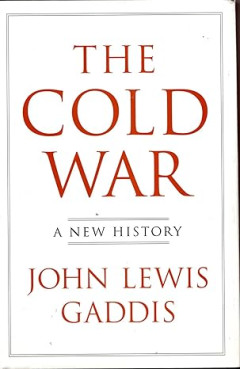
The cold war: A new history
Contents: 1. The return of fear 2. Deathboats and lifeboats 3. Command versus spontaneity 4. The emergence of autonomy etc.
- Edisi
- Cet. 1
- ISBN/ISSN
- 1-59420-062-9
- Deskripsi Fisik
- xv, 333 pages : illustrations (black and white) ; 24 cm
- Judul Seri
- -
- No. Panggil
- 909.82 Gad c
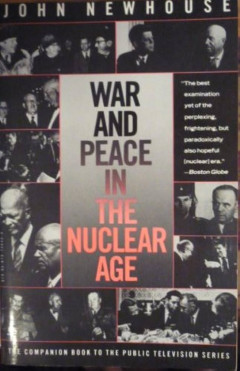
War and peace in the nuclear age
An overview of the nuclear era examines the confrontations, key decisions, and personalities involved with nuclear policy from the Roosevelt administration to Reagan's presidential terms.
- Edisi
- -
- ISBN/ISSN
- 0394562178
- Deskripsi Fisik
- xi, 486 pages ; 25 cm
- Judul Seri
- -
- No. Panggil
- 327.7347 New w
 Karya Umum
  Filsafat
  Agama
Agama  Ilmu-ilmu Sosial
  Bahasa
  Ilmu-ilmu Murni
  Ilmu-ilmu Terapan
  Kesenian, Hiburan, dan Olahraga
  Kesusastraan
  Geografi dan Sejarah