Ditapis dengan
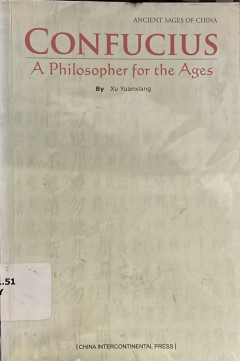
Confucius : A Philosopher for the ages
Confucius: A Philosopher for the Ages by Xu Yianxiang provides a comprehensive explanation of the thoughts and intellectual legacy of Kongzi (Confucius) as one of the most influential philosophical figures in world history. This book outlines the basic principles of Confucian ethics, including the concepts of ren (humanity), li (moral propriety), yi (truth), and junzi (the noble person), as wel…
- Edisi
- -
- ISBN/ISSN
- 7-5085-1037-2
- Deskripsi Fisik
- 109 pages : illustrations ; 21 cm
- Judul Seri
- -
- No. Panggil
- 951.51 XUY c
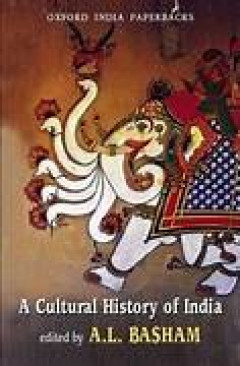
A Cultural History of India
The book covers important aspects such as religion, philosophy, social organization, literature, art, architecture, music, and scientific developments. It also includes a special section on the influence of Indian civilization on the world, as well as on Indian political history, which provides a chronological framework for non-specialist readers. Contributors include renowned figures such as S…
- Edisi
- -
- ISBN/ISSN
- 0-19-563921-9
- Deskripsi Fisik
- xx, 585 pages : illustrations ; 23,7 cm
- Judul Seri
- -
- No. Panggil
- 954 BAS c
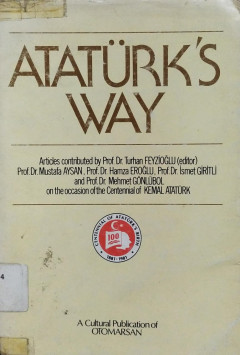
Ataturk's way
Atatürk’s Way, edited by Nuket C. Olson Eraslan, offers a comprehensive exploration of the principles, ideals, and political philosophy of Mustafa Kemal Atatürk, the founder of the modern Turkish Republic. Through a collection of analytical essays and historical reflections, the book examines the core elements of Atatürkism—including secular governance, national sovereignty, modernizatio…
- Edisi
- -
- ISBN/ISSN
- -
- Deskripsi Fisik
- xxx, 384 pages : Ilustrations ; 23,7 cm
- Judul Seri
- -
- No. Panggil
- 956.1024 NUK a

Jawaharlal Nehru: The Discovery of India
The Discovery of India by Jawaharlal Nehru is a profound and reflective work written during his imprisonment at Ahmadnagar Fort (1942–1945). Nehru writes about India’s vast cultural, historical, and philosophical journey — from the ancient Indus Valley civilization, through the Vedic period, all the way to the British colonial era and the rise of nationalism. He draws on texts like the Ve…
- Edisi
- -
- ISBN/ISSN
- -
- Deskripsi Fisik
- 582 pages ; 21 cm
- Judul Seri
- -
- No. Panggil
- 954.042 GAN j

The Foundations of "Africanite" or "Negritude" and "Arabite"
The book The Foundations of Africanité or Négritude and Arabité by Léopold Sédar Senghor outlines the philosophical, cultural, and historical foundations of the concepts of Africanité (African-ness) and Négritude, two core ideas in modern African identity thinking. Senghor discusses the complex relationship between black African heritage and Arab traditions, and how these two elements sh…
- Edisi
- -
- ISBN/ISSN
- -
- Deskripsi Fisik
- 89 pages : 18 cm
- Judul Seri
- -
- No. Panggil
- 306 SEN f
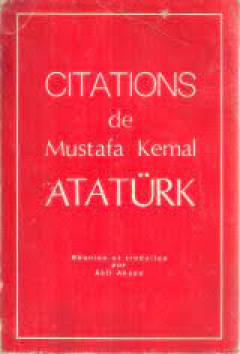
Citations de Mustafa Kemal Ataturk
Citations de Mustafa Kemal Atatürk by Akil Aksan presents a curated collection of powerful quotations and reflections from Mustafa Kemal Atatürk, the founder of the modern Turkish Republic. Through these selected statements, the book highlights Atatürk’s thoughts on nationalism, secularism, education, modernization, and civic responsibility. The compilation provides insight into the princi…
- Edisi
- -
- ISBN/ISSN
- -
- Deskripsi Fisik
- 125 pages : Ilustrations ; 19,6 cm
- Judul Seri
- -
- No. Panggil
- 923.10561 AKS c
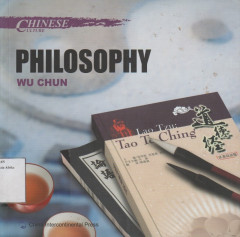
Philosophy
Philosophy provides a comprehensive introduction to key concepts and schools of thought in the field of philosophy. It covers both Western and Eastern philosophical traditions, with a particular focus on Chinese philosophy. The book explores fundamental philosophical questions related to ethics, metaphysics, epistemology, and logic, and traces the historical development of these ideas across cu…
- Edisi
- -
- ISBN/ISSN
- 978-7-5085-2745-1
- Deskripsi Fisik
- 223 pages : illustrations ; 21 cm
- Judul Seri
- -
- No. Panggil
- 306.51 WUC p

Soft Power: The means to sucess in world politics
Joseph Nye coined the term "soft power" in the late 1980s. It is now used frequently - and often incorrectly - by political leaders, editorial writers, and academics around the world. So what is soft power? Soft power lies in the ability to attract and persuade. Whereas hard power - the ability to coerce - grows out of a country's military or economic might, soft power arises from the attractiv…
- Edisi
- -
- ISBN/ISSN
- 1586483064
- Deskripsi Fisik
- xvi, 191 pages : illustrations ; 22 cm
- Judul Seri
- -
- No. Panggil
- 327.73 Nye s

The end of history and the last man
Ever since its first publication in 1992, The End of History and the Last Man has provoked controversy and debate. Francis Fukuyama's prescient analysis of religious fundamentalism, politics, scientific progress, ethical codes, and war is as essential for a world fighting fundamentalist terrorists as it was for the end of the Cold War. Now updated with a new afterword, The End of History and th…
- Edisi
- Ed. 1
- ISBN/ISSN
- 978-0-7432-8455-4
- Deskripsi Fisik
- xxiii, 432 pages ; 21 cm
- Judul Seri
- -
- No. Panggil
- 901 Fuk e
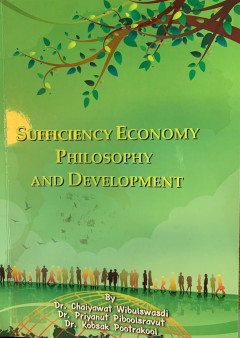
Sufficiency economy philosophy and development
This book contains: 1. What is sufficiency economy? 2. Applications of SEP as a guiding principle 3. SEP and sustainable development
- Edisi
- -
- ISBN/ISSN
- 978-974-8259-21-5
- Deskripsi Fisik
- 54 pages ; 21 cm
- Judul Seri
- -
- No. Panggil
- 330.01 Wib s
 Karya Umum
  Filsafat
  Agama
Agama  Ilmu-ilmu Sosial
  Bahasa
  Ilmu-ilmu Murni
  Ilmu-ilmu Terapan
  Kesenian, Hiburan, dan Olahraga
  Kesusastraan
  Geografi dan Sejarah