Ditapis dengan

Towards an outward-looking ASEAN: Reassessing ASEAN’s policy of moratorium …
- Edisi
- -
- ISBN/ISSN
- -
- Deskripsi Fisik
- Digital File
- Judul Seri
- -
- No. Panggil
- Sesparlu 75-2024
- Edisi
- -
- ISBN/ISSN
- -
- Deskripsi Fisik
- Digital File
- Judul Seri
- -
- No. Panggil
- Sesparlu 75-2024

Indo-Pacific paradox: Anticipating Australia’s increased militarization thr…
The Indo-Pacific region is a contested region marked by the rise of China, the persistent influence of the United States, and the increasing economic and security interests of other regional players including Indonesia and Australia. Indonesia is considered one of Australia’s closest neighbors, however relations between the two countries are not always con…
- Edisi
- -
- ISBN/ISSN
- -
- Deskripsi Fisik
- -
- Judul Seri
- -
- No. Panggil
- Sesparlu 75-2024

The October 7 Attack; the prospect for a two-state solution
- Edisi
- -
- ISBN/ISSN
- -
- Deskripsi Fisik
- Digital File
- Judul Seri
- -
- No. Panggil
- Sesparlu 75-2024
- Edisi
- -
- ISBN/ISSN
- -
- Deskripsi Fisik
- Digital File
- Judul Seri
- -
- No. Panggil
- Sesparlu 75-2024

Indonesia's hydro-diplomacy: Rising above global water politics and climate c…
This policy paper examines the pivotal role of hydro-diplomacy in Indonesia's foreign policy, particularly within the context of fragmented global water politics and the profound impacts of climate change. It proposes a "Measured Approach" that integrates water diplomacy into broader foreign and environmental policies, positioning water governance as a key pillar in Indon…
- Edisi
- -
- ISBN/ISSN
- -
- Deskripsi Fisik
- -
- Judul Seri
- -
- No. Panggil
- Sesparlu 75-2024

“Enhancing Indonesia’s position on global value chain through the ASEAN c…
Taken into consideration that connectivity is a key element in GVC, ASEAN’s Connectivity agenda has potentials to play important role in enhancing the participation of ASEAN Member States, including Indonesia, in GVC. Despite some challenges and issues identified in the implementation of the Master Plan on ASEAN Connectivity (MPAC) 2025, the development of the subsequent ASEAN …
- Edisi
- -
- ISBN/ISSN
- -
- Deskripsi Fisik
- Digital file
- Judul Seri
- -
- No. Panggil
- Sesparlu 75-2024

Negarawan dari desa cinta: Biografi R.H. Moh. Sanusi Hardjadinata (1914–1995)
Buku “Negarawan dari Desa Cinta” karya Nina H. Lubis menyajikan biografi mendalam tentang seorang tokoh pejuang dan negarawan yang berasal dari Desa Cinta. Buku ini menggambarkan perjalanan hidup, pemikiran, kiprah, serta kontribusi tokoh tersebut dalam perjuangan dan pembangunan bangsa Indonesia. Melalui pendekatan historis naratif, penulis menampilkan latar sosial, budaya, dan politik yan…
- Edisi
- -
- ISBN/ISSN
- 979-96353-9-0
- Deskripsi Fisik
- xxv, 358 halaman : ilustrasi ; 21,5 cm
- Judul Seri
- -
- No. Panggil
- 907.2 LUB n

BUMN go global paving the way for Indonesian enterprises as top player in Sou…
As predicted by prominent world economic research institutions, Indonesia will become a major economic power in the next 10-30 years. Indonesia's relatively high economic growth in the last 25 years is predicted to continue in the years to come. Indonesia's economic growth is in line with the growth of Indonesian companies. Indonesian companies, especially state-owned enterprises (SOEs)/ Badan …
- Edisi
- -
- ISBN/ISSN
- -
- Deskripsi Fisik
- -
- Judul Seri
- -
- No. Panggil
- Sesparlu 70-2022

Infografis promosi literasi Bahasa Indonesia guna memahami kupasan akar dan t…
- Edisi
- -
- ISBN/ISSN
- -
- Deskripsi Fisik
- -
- Judul Seri
- -
- No. Panggil
- -
- Edisi
- -
- ISBN/ISSN
- -
- Deskripsi Fisik
- -
- Judul Seri
- -
- No. Panggil
- -
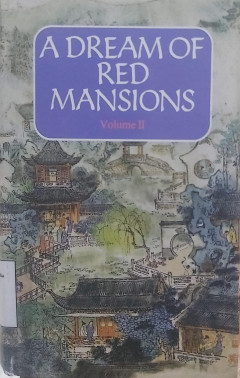
A Dream of red mansions: Volume II
A Dream of Red Mansions is one of the greatest classical novels of Chinese literature. This work depicts the rise and decline of an aristocratic family during the Qing dynasty, offering a profound portrayal of social structure, family relationships, love, and moral values in traditional Chinese society. Volume II continues the intricate narrative, focusing on emotional conflicts, domestic tens…
- Edisi
- -
- ISBN/ISSN
- 978-7-119-01653-6
- Deskripsi Fisik
- iv, 701 pages ; 21,5 cm
- Judul Seri
- -
- No. Panggil
- 813.802 CHI d

Chinese Foreign Policy after the Cultural Revolution, 1966–1977
Chinese Foreign Policy after the Cultural Revolution, 1966–1977 analyzes the evolution of China’s foreign policy during and immediately after the Cultural Revolution. Written by Robert G. Sutter, the book examines how domestic political turmoil affected China’s external relations and diplomatic behavior. It explores policy changes, strategic priorities, and China’s interactions with maj…
- Edisi
- -
- ISBN/ISSN
- 0-89158-342-4
- Deskripsi Fisik
- 176 pages; 30 cm
- Judul Seri
- -
- No. Panggil
- 327.51 SUT c
 Karya Umum
  Filsafat
  Agama
Agama  Ilmu-ilmu Sosial
  Bahasa
  Ilmu-ilmu Murni
  Ilmu-ilmu Terapan
  Kesenian, Hiburan, dan Olahraga
  Kesusastraan
  Geografi dan Sejarah