Ditapis dengan
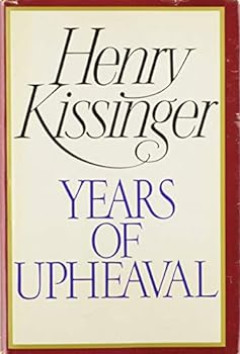
Years of upheaval
Henry Kissinger is a comprehensive biography exploring the life, career, and influence of one of the most significant American diplomats of the twentieth century. The book examines Kissinger’s early years, his rise as an academic and foreign policy strategist, and his role as National Security Advisor and Secretary of State under Presidents Nixon and Ford. It analyzes his contributions to maj…
- Edisi
- cet 1
- ISBN/ISSN
- 0-31-628-5919
- Deskripsi Fisik
- xxi, 1281 pages : illustrations ; 24 cm
- Judul Seri
- -
- No. Panggil
- 973.924 KIS y

Black Power
Black Power is Richard Wright’s powerful travel narrative documenting his journey through the Gold Coast (now Ghana) during the rise of African nationalism. Through firsthand observation, Wright explores colonial structures, racial politics, cultural identity, and the struggles of African people toward independence. Blending reportage, political analysis, and personal reflection, the book pro…
- Edisi
- -
- ISBN/ISSN
- 978-0-06-145018-6
- Deskripsi Fisik
- xiii, 812 pages : illustrations ; 20 cm
- Judul Seri
- -
- No. Panggil
- 303.484096 WRI b

Histoire des relations internationales. Tome septième : Les crises du XXᵉ …
This seventh volume of the “Histoire des relations internationales” series examines the dynamics of international relations between 1914 and 1929, a period marked by the outbreak of World War I, major geopolitical changes, the collapse of old empires, and the emergence of new international security systems such as the League of Nations. Pierre Renouvin examines the causes of conflict, warti…
- Edisi
- -
- ISBN/ISSN
- -
- Deskripsi Fisik
- 369 pages : illustration ; 22 cm
- Judul Seri
- -
- No. Panggil
- 327.090 REN h

Histoire des relations internationales. Tome sixième : Le XIXᵉ siècle. II…
This sixth volume of the “Histoire des relations internationales” series examines the development of international relations between 1871 and 1914, a period when Europe reached the peak of its political and economic power. Pierre Renouvin describes the rivalries between major powers, the growth of nationalism, imperialism, the alliance system, and the various international crises that ultim…
- Edisi
- -
- ISBN/ISSN
- -
- Deskripsi Fisik
- 401 pages : illustration ; 22 cm
- Judul Seri
- -
- No. Panggil
- 327.090 REN h

Histoire des relations internationales. Tome troisième : Les Temps Modernes,…
This book is the third in the “Histoire des relations internationales” series, written under the direction of Pierre Renouvin. In this volume, Gaston Zeller examines the development of international relations from the reign of Louis XIV to the beginning of the French Revolution in 1789. The analysis covers the power politics of absolute monarchy, conflicts between European states, the dynam…
- Edisi
- -
- ISBN/ISSN
- -
- Deskripsi Fisik
- 326 pages : illustration ; 22 cm
- Judul Seri
- -
- No. Panggil
- 327.090 REN h

Histoire des relations internationales. Tome cinquième : Le XIXᵉ siècle. …
This book is the fifth volume in the “Histoire des relations internationales” series written by Pierre Renouvin. In this volume, Renouvin examines the dynamics of international relations from 1815 to 1871, a period when Europe experienced the rise of nationalism, political restructuring after the Congress of Vienna, and the emergence of new powers on the international stage. The analysis co…
- Edisi
- -
- ISBN/ISSN
- -
- Deskripsi Fisik
- 421 pages : illustration ; 22 cm
- Judul Seri
- -
- No. Panggil
- 327.090 REN h

Histoire des relations internationales. Tome quatrième : La Révolution fran…
This book is the fourth volume in the "Histoire des relations internationales" series, written under the direction of Pierre Renouvin. In this volume, André Fugier examines the dynamics of international relations from the French Revolution to the end of the Napoleonic Empire (1789–1815). Discussions cover major European conflicts, French diplomatic strategy, the formation of the anti-Napoleo…
- Edisi
- -
- ISBN/ISSN
- -
- Deskripsi Fisik
- 422 pages : illustration ; 22 cm
- Judul Seri
- -
- No. Panggil
- 327.090 REN h

Histoire des relations internationales. Tome premier, Le Moyen Âge
This book is the first volume of the “Histoire des relations internationales” series, written under the direction of Pierre Renouvin. François-L. Ganshof examines the development of international relations during the Middle Ages, from the collapse of the Roman Empire to the end of the Middle Ages. The analysis covers the political interactions between kingdoms, churches, and empires, as we…
- Edisi
- -
- ISBN/ISSN
- -
- Deskripsi Fisik
- xvii, 331 pages : illustration ; 22 cm
- Judul Seri
- -
- No. Panggil
- 327.090 REN h
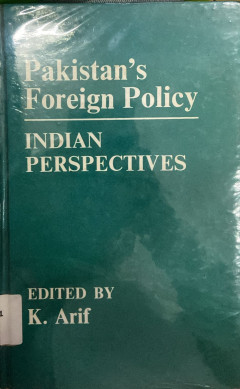
Pakistan's foreign policy: Indian perspective
Pakistan's Foreign Policy: Indian Perspective presents an in-depth analysis of Pakistan's foreign policy dynamics as seen from India's perspective. Edited by K. Arif, the work compiles writings by analysts, diplomats, and academics discussing the historical, political, security, and geostrategic factors that have shaped the relationship between the two countries since the partition of India and…
- Edisi
- -
- ISBN/ISSN
- -
- Deskripsi Fisik
- ix, 441 pages; 21 cm
- Judul Seri
- -
- No. Panggil
- 327.459 BUR p

Indonesia-Cambodia: Forging ties through thick and thin
This book is comprehensive account of the close relations and cooperation between two Asian countries and the vicissitudes as well as the triumphs of that relationship. The friendship between the Kingdom of Cambodia and the Republic of Indonesia are founded on cultural, social and political ties that have deep historical roots.
- Edisi
- -
- ISBN/ISSN
- 9799634296
- Deskripsi Fisik
- xxi, 281 pages : illustration ; 22 cm
- Judul Seri
- -
- No. Panggil
- 327.095989596 Nas i
 Karya Umum
 Filsafat
 Agama
 Ilmu-ilmu Sosial
 Bahasa
 Ilmu-ilmu Murni
 Ilmu-ilmu Terapan
 Kesenian, Hiburan, dan Olahraga
 Kesusastraan
 Geografi dan Sejarah