Ditapis dengan
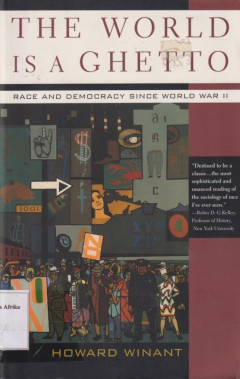
The World is a Ghetto: Race and democracy since World War II
This book examines the evolution of race and democracy in the global context since World War II. Howard Winant explores the transformation of racial politics, the rise of social movements, and the challenges posed by racial inequality in modern democratic societies. Through historical and comparative analysis, the author argues that race has become a central issue in contemporary global politic…
- Edisi
- -
- ISBN/ISSN
- 0-465-04340-2
- Deskripsi Fisik
- xvi, 428 pages ; 23 cm
- Judul Seri
- -
- No. Panggil
- 305.8 WIN w
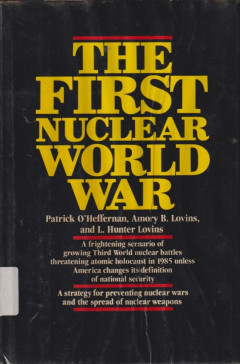
The First nuclear world war
The First Nuclear World War presents a strategic analysis aimed at preventing future nuclear conflicts and limiting the spread of nuclear weapons. Written by Patrick O’Heffernan, Amory B. Lovins, and L. Hunter Lovins, the book explores the political, military, and technological factors that shape global nuclear policy. It examines the dangers posed by nuclear proliferation, the risks of misca…
- Edisi
- -
- ISBN/ISSN
- 0-688-01589-1
- Deskripsi Fisik
- 444 pages ; 24 cm
- Judul Seri
- -
- No. Panggil
- 355.0217 OHE t
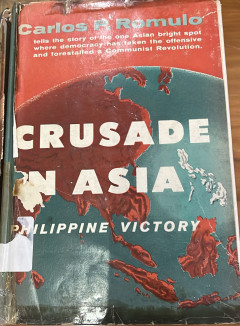
Crusade in Asia: Philippine victory
This book presents a firsthand political and historical account of the Philippines’ struggle and role in Asia during and after the Second World War. Written by Carlos P. Romulo, a prominent Filipino diplomat, soldier, and statesman, the work reflects on the broader Asian conflict against imperialism and totalitarianism, highlighting the Philippine experience as a symbol of democratic resistan…
- Edisi
- -
- ISBN/ISSN
- -
- Deskripsi Fisik
- 309 pages ; 21 cm
- Judul Seri
- -
- No. Panggil
- 959.904 ROM c
Canada and the far east 1940
This book analyzes Canada’s political, economic, and diplomatic relations with the Far East during the year 1940, in the context of rising tensions leading to World War II. Written under the Institute of Pacific Relations Inquiry Series, it examines Canada’s strategic interests, trade connections, and evolving foreign policy toward East Asian nations. The work provides historical insight in…
- Edisi
- -
- ISBN/ISSN
- -
- Deskripsi Fisik
- ix, 152 pages ; 23,5 cm 1. Judul
- Judul Seri
- -
- No. Panggil
- 327.7105 LOW c
The East European revolution
The East European Revolution by Hugh Seton-Watson provides an authoritative analysis of the political and social transformations that reshaped Eastern Europe after World War II. The book examines the rise of communist governments, the role of the Soviet Union in restructuring regional politics, the collapse of prewar institutions, and the emergence of new revolutionary elites. Seton-Watson offe…
- Edisi
- -
- ISBN/ISSN
- -
- Deskripsi Fisik
- xix, 435 pages : illustration ; 22 cm
- Judul Seri
- -
- No. Panggil
- 947 WAT e
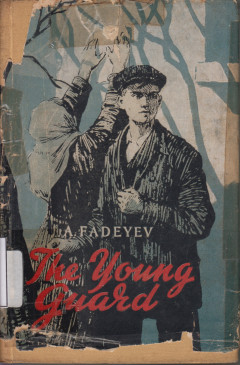
The Young guard : A Novel
The Young Guard is a classic Soviet novel by A. Fadeev depicting the heroic activities of the Young Guard, an underground Komsomol resistance organization operating in Krasnodon during the Nazi occupation in World War II. The novel follows a group of young patriots who organize sabotage, spread anti-fascist materials, and resist German forces despite the extreme dangers they face. Blending hist…
- Edisi
- -
- ISBN/ISSN
- -
- Deskripsi Fisik
- 715 pages ; 20,5 cm
- Judul Seri
- -
- No. Panggil
- 891.73 FAD y
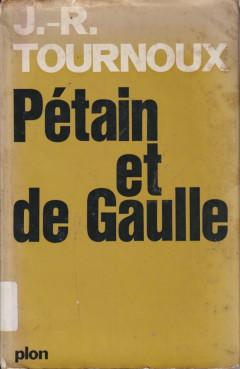
Pétain et De Gaulle
This book presents an in-depth study of two of the most influential and controversial figures in 20th-century French history: Philippe Pétain and Charles de Gaulle. Through his investigative style, J.-R. Tournoux depicts the relationships, ideological conflicts, differences in political vision, and the lives of these two figures who played a major role in World War I, World War II, and the pol…
- Edisi
- -
- ISBN/ISSN
- -
- Deskripsi Fisik
- 556 pages : illustration ; 23,5 cm
- Judul Seri
- -
- No. Panggil
- 944.081 TOU p
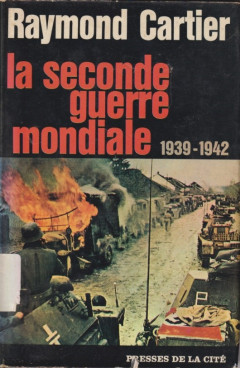
La seconde guerre mondiale: 1939–1942
La Seconde Guerre Mondiale 1939–1942 by Raymond Cartier provides a detailed narrative and analysis of the first phase of the Second World War. Covering the years 1939 to 1942, the book explores major military operations, political developments, and global strategic shifts that defined the early war years. Cartier combines historical documents, eyewitness accounts, and strategic interpretation…
- Edisi
- -
- ISBN/ISSN
- -
- Deskripsi Fisik
- 607 pages : illustration ; 20,5 cm
- Judul Seri
- -
- No. Panggil
- 940.53 CAR l
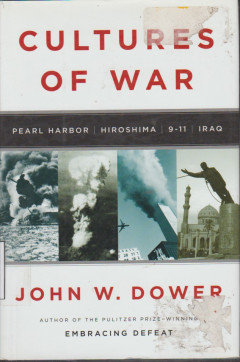
Cultures of war: Pearl Harbor / Hiroshima / 9-11 / Iraq
Cultures of War explores how nations justify, experience, and remember war through four pivotal events: the attack on Pearl Harbor, the bombing of Hiroshima, the September 11 attacks, and the 2003 invasion of Iraq. John W. Dower examines recurring patterns in U.S. strategic thinking, political rhetoric, and cultural responses to conflict. Through comparative historical analysis, Dower reveals h…
- Edisi
- -
- ISBN/ISSN
- 978-0-393-06150-5
- Deskripsi Fisik
- xxxvii, 396 pages : illustration ; 24,5 cm
- Judul Seri
- -
- No. Panggil
- 355.00973 DOW c
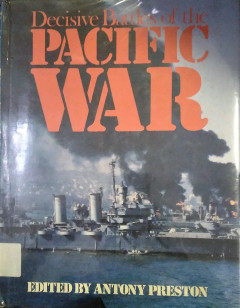
Decisive battles of the pacific war
"Decisive Battles of the Pacific War" is a comprehensive illustrated work edited by military historian Antony Preston, presenting key battles that shaped the outcome of the Second World War in the Pacific theater. The book examines major engagements between Allied and Japanese forces, analyzing strategies, naval clashes, amphibious assaults, and turning points from Pearl Harbor to the final sta…
- Edisi
- -
- ISBN/ISSN
- 0-89009-293-1
- Deskripsi Fisik
- 192 pages : illustration ; 30 cm
- Judul Seri
- -
- No. Panggil
- 940.5426 PRE d
 Karya Umum
  Filsafat
  Agama
Agama  Ilmu-ilmu Sosial
  Bahasa
  Ilmu-ilmu Murni
  Ilmu-ilmu Terapan
  Kesenian, Hiburan, dan Olahraga
  Kesusastraan
  Geografi dan Sejarah