Ditapis dengan
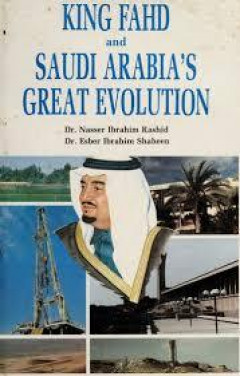
King Fahd and Saudi Arabia's great evolution
King Fahd and Saudi Arabia’s Great Evolution is a historical‐analytical work that examines the transformation of Saudi Arabia under King Fahd’s leadership. Written by Nasser Ibrahim Rashid and Esber I. Shaheen, the book explores how the Kingdom evolved politically, socially, and economically during Fahd’s reign, especially emphasizing the impact of oil wealth, modernization, and interna…
- Edisi
- -
- ISBN/ISSN
- 0-940485-00-1
- Deskripsi Fisik
- v, 342 pages : illustration ; 24 cm
- Judul Seri
- -
- No. Panggil
- 953.8 RAS k
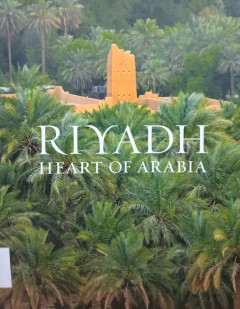
Riyadh heart of Arabia
Riyadh: Heart of Arabia is a richly illustrated photographic journey through Saudi Arabia’s capital region, written by Mohsen Al-Dajani (a Bedouin-born pilot) with co-author Brian Salter. Over three years, the authors document the city’s past and present — from mud-brick palaces, modern skyscrapers, and bustling souqs, to archaeological sites and the rugged natural beauty of its surroundi…
- Edisi
- -
- ISBN/ISSN
- 978-603-01-0376-8
- Deskripsi Fisik
- 232 pages : iilustrations ; 30 cm
- Judul Seri
- -
- No. Panggil
- 915.311104 ALD r
The Sword of the Prophet
The Sword of the Prophet is a concise yet sweeping history of the Arab world from the time of Muhammad up to the modern era. Goldston traces the rise and spread of Islam, examining its religious foundations, political evolution, and cultural impact. He explores how Islam united vast territories, how the Arab empires rose and fell, and how in the 20th century the Arab world re-emerged as a force…
- Edisi
- -
- ISBN/ISSN
- 0-449-24393-1
- Deskripsi Fisik
- 224 pages ; 15 cm
- Judul Seri
- -
- No. Panggil
- 953.8 GOL s

J. R. Jayewardene of Sri Lanka a political biography volume 1: 1960-1956
J. R. Jayewardene of Sri Lanka: A Political Biography, Volume 1 (1906–1956) by K. M. de Silva explores the early life and political formation of one of Sri Lanka’s most influential leaders. The book traces Jayewardene’s rise from his education and legal background to his emergence as a prominent figure in the independence movement. It examines his evolving political ideology, key policy p…
- Edisi
- -
- ISBN/ISSN
- 0-7043-2658-2
- Deskripsi Fisik
- 336 pages : 23 cm
- Judul Seri
- -
- No. Panggil
- 954.93 SIL j

Singapore: Struggle for success
Singapore: Struggle for Success explores Singapore’s rapid transformation from a small colonial trading post into an independent, economically vibrant nation. Drysdale highlights the political challenges, ethnic complexities, and strategic decisions that shaped the country’s path to stability. The book examines how strong leadership, social cohesion, and economic planning contributed to Sin…
- Edisi
- -
- ISBN/ISSN
- 9971-65-081-9
- Deskripsi Fisik
- 506 pages : illustrations ; 23,5 cm
- Judul Seri
- -
- No. Panggil
- 959.52 DRY s

The Siege of Mecca
On November 20, 1979, hundreds of Islamist militants led by Saudi preacher Juhayman al-Otaybi stormed and seized the Grand Mosque in Mecca, Islam’s holiest site, trapping tens of thousands of worshippers inside. The siege lasted two weeks and resulted in hundreds of deaths, in an event that was largely ignored by the global media at the time. Trofimov draws on newly declassified documents and…
- Edisi
- -
- ISBN/ISSN
- 978-0-385-51925-5
- Deskripsi Fisik
- x, 301 pages : iilustrations ; 24 cm
- Judul Seri
- -
- No. Panggil
- 953.053 TRO s

The House of Saud: The Rise and rule of the most powerful dynasty in the Ara…
The book provides a revealing account of the emergence and consolidation of the Saudi royal family as one of the most influential dynasties in the Middle East. It traces the historical roots of the House of Saud, their alliance with Wahhabi religious leaders, and their rise to power in the Arabian Peninsula. Through political analysis and investigative reporting, the book examines how the famil…
- Edisi
- -
- ISBN/ISSN
- 0-03-043731-8
- Deskripsi Fisik
- v, 569 pages ; 24 cm
- Judul Seri
- -
- No. Panggil
- 953.8 HOL h
The Kingdom of Saudi Arabia
This book provides a comprehensive historical and cultural portrait of the Kingdom of Saudi Arabia. It explores the geography, cities, and tribal structure of the country, and examines the lives of its people from nomadic Bedouins to modern urban dwellers. The authors trace the rise of the House of Saud, detailing how the kingdom was founded and how key figures like Ibn Saud shaped its identity…
- Edisi
- -
- ISBN/ISSN
- 0-905743-28-8
- Deskripsi Fisik
- 256 pages : iilustrations ; 30 cm
- Judul Seri
- -
- No. Panggil
- 953.8 KLE k
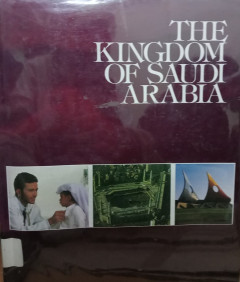
The Kingdom of Saudi Arabia
The Kingdom of Saudi Arabia by William Facey provides a concise and informative overview of the historical, cultural, and geographical foundations of Saudi Arabia. The book traces the development of the Arabian Peninsula from its early tribal society to the rise of the Saudi state, emphasizing the role of Islam, the unification under King Abdulaziz, and the transformative impact of oil discover…
- Edisi
- -
- ISBN/ISSN
- 0-905743-67-9
- Deskripsi Fisik
- 256 pages : iilustrations ; 30 cm
- Judul Seri
- -
- No. Panggil
- 953.8 FAC k

Dir 'iyyah and the first Saudi state
Dirʿiyyah and the First Saudi State by William Facey provides a concise historical examination of the rise of Dirʿiyyah as the birthplace of the First Saudi State in the 18th century. The book traces the alliance between Muhammad ibn Saud and the religious reformer Muhammad ibn Abd al-Wahhab, which laid the ideological and political foundations for the emerging state. Facey highlights Dirʿiy…
- Edisi
- -
- ISBN/ISSN
- 0905743-806
- Deskripsi Fisik
- 112 pages : illustrations ; 30 cm
- Judul Seri
- -
- No. Panggil
- 953.8 FAC d
 Karya Umum
  Filsafat
  Agama
Agama  Ilmu-ilmu Sosial
  Bahasa
  Ilmu-ilmu Murni
  Ilmu-ilmu Terapan
  Kesenian, Hiburan, dan Olahraga
  Kesusastraan
  Geografi dan Sejarah