Ditapis dengan
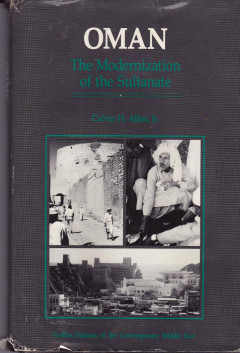
Oman: the modernization of sultanate
This reissue (1987) focuses on the land, the people and the history of Oman. It explores the influences on events of trade, foreign involvement in Omani affairs, and Ibadism (the principal sect of Islam in Oman). It also emphasizes the role of the Sultan in contemporary Oman.
- Edisi
- -
- ISBN/ISSN
- 0-8133-0125-4
- Deskripsi Fisik
- xii, 154 pages: ilustration: 22 cm
- Judul Seri
- -
- No. Panggil
- 953.53 ALL o
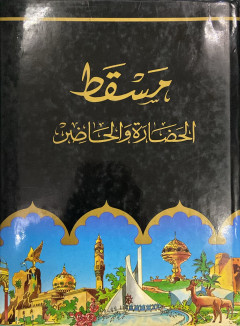
Muscat: Civilization and the present
Muscat: Civilization and the Present presents an in-depth study of the development of Muscat's civilization from ancient times to the modern era. Abu Bakar Abdul Rahman Ahmed traces the city's history as a maritime trade hub, a gateway to diplomacy, and a meeting place for diverse cultures that shaped Oman's unique identity. Through discussions of Muscat's architectural heritage, social develop…
- Edisi
- -
- ISBN/ISSN
- -
- Deskripsi Fisik
- 205 pages; illustration; 30 cm
- Judul Seri
- -
- No. Panggil
- 953.53 AHM m
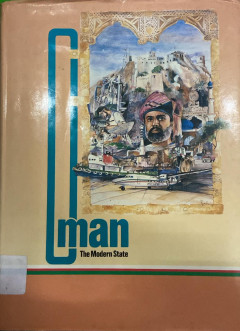
Oman: The Modern state
Oman: The Modern State presents a comprehensive overview of Oman's national transformation under the modern leadership of the Sultanate of Oman. Compiled by the Ministry of Information, the book traces Oman's journey from a traditional state to a modern, stable, advanced nation open to global developments. Through descriptions of political history, economic development, social reforms, and infr…
- Edisi
- -
- ISBN/ISSN
- -
- Deskripsi Fisik
- 217 pages; illustration: 30 cm
- Judul Seri
- -
- No. Panggil
- 953.53 TIM o
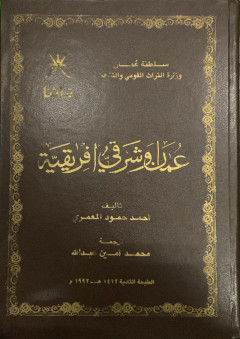
Oman and East Africa
Ahmed Hamoud Al-Maamari's Oman and East Africa examines the long historical relationship between the Sultanate of Oman and the East African region. Through historical sources, colonial documents, and trade records, the book describes how Oman established political, economic, and cultural influence on the East African coast, particularly in Zanzibar, from the 17th to the early 20th centuries.
- Edisi
- -
- ISBN/ISSN
- -
- Deskripsi Fisik
- 151 pages: illustration; 25 cm
- Judul Seri
- -
- No. Panggil
- 327.553 ALM o
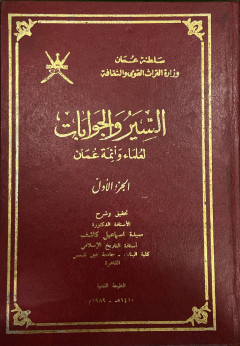
Al-siyar wa al-jawabāt li 'ulamā' wa a'immat 'Umān
Al-Siyar wa al-Jawabāt li ʿUlamāʾ wa Aʾimmat ʿUmān is a landmark compilation of correspondence, fatwas, religious responses, and legal guidance issued by Omani scholars and imams throughout various historical periods. It documents Ibadi fiqh thought, socio-religious views, and legal rulings that served as primary references in shaping Omani religious identity and traditional legal system…
- Edisi
- -
- ISBN/ISSN
- -
- Deskripsi Fisik
- 435 pages: 25 cm
- Judul Seri
- -
- No. Panggil
- 953.53 KHA a
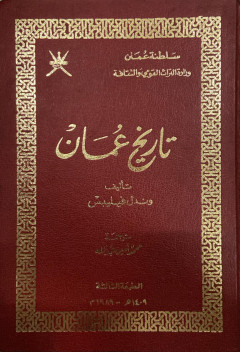
Tarikh Oman
History, with its turbulent events and diverse characters, is one of the most fascinating stories, and history books are among the best narratives. The History of Oman is no exception; the author attempts to recount the events one by one, with concise commentary, in such a way that you can feel them unfold as you turn the pages. This book covers the rich history of the Arab nation of the Indian…
- Edisi
- third edition
- ISBN/ISSN
- -
- Deskripsi Fisik
- 208 pages; 25 cm
- Judul Seri
- -
- No. Panggil
- 953.53 PHI t
 Karya Umum
  Filsafat
  Agama
Agama  Ilmu-ilmu Sosial
  Bahasa
  Ilmu-ilmu Murni
  Ilmu-ilmu Terapan
  Kesenian, Hiburan, dan Olahraga
  Kesusastraan
  Geografi dan Sejarah