Ditapis dengan
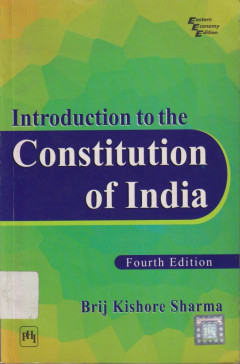
Introduction to the constitution of India
A comprehensive and accessible overview of the constitutional framework of India. The book explains the historical background of the Constitution, its structure, basic principles, and major institutions of governance. Key topics include federalism, fundamental rights, directive principles of state policy, the functioning of Parliament, the judiciary, and administrative mechanisms. The author al…
- Edisi
- 4
- ISBN/ISSN
- 978-81-203-3217-8
- Deskripsi Fisik
- xxxvi, 398 pages ; 24 cm
- Judul Seri
- -
- No. Panggil
- 342.5402 BAS i
A review on treaty incorporation policy in Indonesia
The Treaty Law has been prevailing for more than twenty years and it is appropriate to question its relevancy and implementation. Moreover, there are three judicial cases on international agreements and the Treaty Law that reflect the emerge of issues concerning treaty incorporation in Indonesia. Hence, using qualitative method, this review analysed the concept of treaty incorporation and its i…
- Edisi
- -
- ISBN/ISSN
- -
- Deskripsi Fisik
- -
- Judul Seri
- -
- No. Panggil
- Sesdilu 74-2023

The most dangerous place: Pakistan's lawless frontier
The tribal region located on the frontier between Pakistan and Afghanistan is the centre of terrorist activity in the world today. Since 2001, Al Qaeda and Taliban fighters have regrouped here, using its mountainous terrain as a safe haven in which to train, plan major terror attacks, send insurgents to Afghanistan, and recruit ever-younger fighters. In this essential book Imtiaz Gul follows th…
- Edisi
- -
- ISBN/ISSN
- 978-0-14-311921-0
- Deskripsi Fisik
- xxxvi, 280 pages; illustration: 25 cm
- Judul Seri
- -
- No. Panggil
- 303.625541 GUL m

Codification of the principles of peaceful and active coexistence
This book discusses the formulation and legal codification of the principles of peaceful and active coexistence in international relations. Tomislav Mitrovic analyzes political, legal, and diplomatic frameworks that support cooperation among nations, particularly during the global tensions of the mid-20th century. The work explores the foundations of peaceful coexistence as a guiding principle …
- Edisi
- -
- ISBN/ISSN
- -
- Deskripsi Fisik
- 54 pages ; 20 cm
- Judul Seri
- -
- No. Panggil
- 327 MIT c
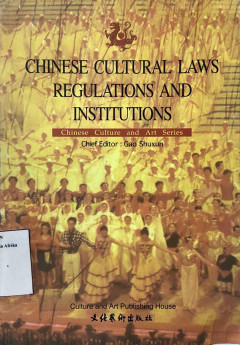
Chinese cultural laws, regulations and institutions
Chinese Cultural Laws, Regulations and Institutions examines the legal framework, administrative regulations, and institutional structures governing cultural affairs in China. As part of the Chinese Culture and Art Series, the book outlines the development of cultural legislation, state policies, and organizational systems that regulate artistic and cultural activities. It provides readers with…
- Edisi
- -
- ISBN/ISSN
- 7-5039-1834-9
- Deskripsi Fisik
- 192 pages; illustrations: 25 cm
- Judul Seri
- -
- No. Panggil
- 342.0951 GAO c

China's new democracy : with full texts of the three constitutions of the Peo…
China’s New Democracy provides an overview of the political foundations and institutional development of the People’s Republic of China through the lens of its constitutional evolution. The book discusses the concept of “New Democracy” as a guiding ideological framework and examines how it shaped the early political structure of the state. Included in the volume are the full texts of th…
- Edisi
- -
- ISBN/ISSN
- -
- Deskripsi Fisik
- 298 pages : illustration ; 19 cm
- Judul Seri
- -
- No. Panggil
- 321.51 QIX c
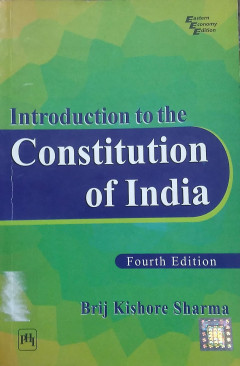
Introduction to the constitution of India
One of the most authoritative and widely used texts on Indian constitutional law. The 21st edition provides a detailed explanation of the historical evolution, structure, and essential features of the Indian Constitution. It covers fundamental rights, directive principles, governmental organs, federalism, emergency provisions, amendment procedures, and the functioning of key constitutional inst…
- Edisi
- -
- ISBN/ISSN
- 978-93-5035-309-7
- Deskripsi Fisik
- xxvii, 526 pages ; 24 cm
- Judul Seri
- -
- No. Panggil
- 342.5402 SHA i

Die rechtsordnung der bundesrepublik Deutschland: Eine einfuhrung
This introductory book provides a comprehensive overview of the legal system of the Federal Republic of Germany. It explains the fundamental structure, principles, and functions of German law, including constitutional foundations, legal institutions, and the interaction between federal and state jurisdictions. Written in clear and accessible language, it serves as an essential guide for student…
- Edisi
- -
- ISBN/ISSN
- 3-89331-474-1
- Deskripsi Fisik
- xv, 259 pages ; 21 cm
- Judul Seri
- -
- No. Panggil
- 340 AVE d

Mengabdi republik jilid I: Adam dari Andalas
sebuah karya yang mengangkat penderitaan kaum kuli, perjuangan Putra Andalas, serta penguasaan negara-negara barat atas Andalas. Buku ini secara mendalam menggambarkan penderitaan yang dialami oleh kaum kuli dalam konteks sejarah Republik ini, memaparkan kisah inspiratif Putra Andalas yang berjuang melawan segala rintangan dalam mengabdi kepada tanah airnya, dan menganalisis dampak penguasaan n…
- Edisi
- Cetakan Kedua
- ISBN/ISSN
- -
- Deskripsi Fisik
- vii, 224 hlm ; 24 cm
- Judul Seri
- -
- No. Panggil
- 923.259 MAL m

The Control of monopoly in the United Kingdom
This book comprehensively discusses the British government's policies in regulating and controlling monopolistic practices in the industrial sector. Paul H. Guénault and J. M. Jackson outline the legal framework, economic policies, and institutions involved in overseeing business competition in Britain in the mid-20th century. The analysis covers the background to the formation of anti-monopol…
- Edisi
- -
- ISBN/ISSN
- -
- Deskripsi Fisik
- ix, 197 pages ; 22 cm
- Judul Seri
- -
- No. Panggil
- 338.88 GUE c
 Karya Umum
 Filsafat
 Agama
 Ilmu-ilmu Sosial
 Bahasa
 Ilmu-ilmu Murni
 Ilmu-ilmu Terapan
 Kesenian, Hiburan, dan Olahraga
 Kesusastraan
 Geografi dan Sejarah