Ditapis dengan
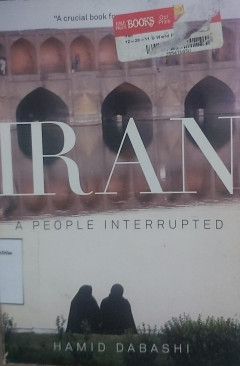
Iran: A People interrupted
Hailed by leading academics as "extraordinary" and provocative, Hamid Dabashi treats the story of Iran over the past two centuries with unparalleled analysis of key events, cultural trends, and political developments leading up to the collapse of the reform movement and the emergence of the new and combative presidency of Mahmoud Ahmadinejad. In an era of escalating tensions in the Middle East,…
- Edisi
- -
- ISBN/ISSN
- 978-1-59558-333-8
- Deskripsi Fisik
- xii, 324 pages ; 21 cm
- Judul Seri
- -
- No. Panggil
- 955 DAB i
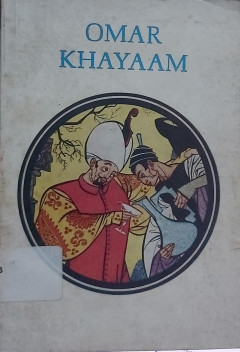
The Rubaiyyat of Omar Khayyam
This volume from the Nagel’s Encyclopedia Guide series provides a comprehensive overview of Iran’s geography, history, culture, and major cities. It includes detailed descriptions, maps, and plans that help readers understand the country’s landscapes, architecture, and heritage. Designed as both a reference work and a travel guide, the book offers historical background, cultural insights,…
- Edisi
- -
- ISBN/ISSN
- -
- Deskripsi Fisik
- 21 pages ; 21 cm
- Judul Seri
- -
- No. Panggil
- 955 KHA r
Our homeland Iran
Our Homeland Iran presents a comprehensive reflection on the cultural, historical, and social identity of Iran. The book explores the nation’s rich heritage, including its ancient civilization, literary traditions, and enduring cultural values. Through historical narratives, cultural analysis, and personal insights, the author highlights the elements that shape a shared sense of Iranian ident…
- Edisi
- 4
- ISBN/ISSN
- -
- Deskripsi Fisik
- 202 pages : illustrations ; 25 cm
- Judul Seri
- -
- No. Panggil
- 770.5 KAS o

The Rise and fall of the Shah: 1941–1979
The Rise and Fall of the Shah provides an in-depth political and historical analysis of Iran under the rule of Mohammad Reza Shah Pahlavi from 1941 until his overthrow in 1979. Amin Saikal examines the Shah’s consolidation of power, the role of foreign influence, economic and social reforms, and the political tensions that ultimately contributed to the collapse of his regime. The book offers …
- Edisi
- -
- ISBN/ISSN
- 0-207-14412-5
- Deskripsi Fisik
- xiii, 279 pages ; 22 cm
- Judul Seri
- -
- No. Panggil
- 955.03 SAI r

Masa jaya dan jatuhnya Shah Iran: (Who Shah Iran?)
This book provides an overview of the rise and downfall of Mohammad Reza Shah Pahlavi, the last monarch of Iran. It explores the political, social, and economic landscape of Iran during his rule, highlighting the Shah’s efforts at modernization, Westernization, and consolidation of power. The narrative also discusses the tensions between the monarchy, religious leaders, and the Iranian people…
- Edisi
- -
- ISBN/ISSN
- -
- Deskripsi Fisik
- 155 pages : illustrations ; 20 cm
- Judul Seri
- -
- No. Panggil
- 955.053 STO m
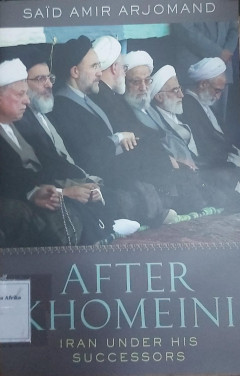
After Khomeini: Iran under his successors
This book provides a comprehensive and insightful analysis of the political and social trajectory of Iran following the death of Ayatollah Ruhollah Khomeini, the founder of the Islamic Republic, in 1989. Saïd Amir Arjomand argues that Khomeini’s passing did not signal the end of the Islamic Revolution, but rather marked the beginning of a prolonged struggle among the "children of the revolut…
- Edisi
- -
- ISBN/ISSN
- 978-0-19-989194-8
- Deskripsi Fisik
- ix, 268 pages ; 23 cm
- Judul Seri
- -
- No. Panggil
- 320 ARJ a

Blood & oil: A Prince's memoir of Iran, from the Shah to the Ayatollah
Iran was the first country in the Middle East to develop an oil industry, and oil has been central to its tumultuous twentieth-century history. A finalist for the PEN/West Award, Blood and Oil tells the epic inside story of the battle for Iranian oil. A prominent member of one of Iran's most powerful aristocratic families--so feared by Khomeini that the entire clan was blacklisted--Prince Manuc…
- Edisi
- -
- ISBN/ISSN
- 0-8129-7508-1
- Deskripsi Fisik
- xxxi, 514 pages : illustrations (black and white) ; 20 cm
- Judul Seri
- -
- No. Panggil
- 955 Far b
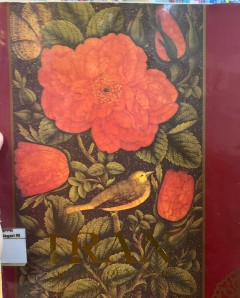
Iran: The land of Norooz
This book contains: 1. The Land of Norooz 2. Environment 3. History 4. People 5. Cultural Heritage 6. Economy
- Edisi
- -
- ISBN/ISSN
- -
- Deskripsi Fisik
- 100 pages ; 30 cm
- Judul Seri
- -
- No. Panggil
- 955 San i

Iran divided: The historical roots of Iranian debates on identity, culture, a…
Iranian politics has been marked by sharp ideological divisions and infighting. These divides, kept largely out of public view until the 1990s, came to greater light with the contested 2009 presidential elections. To explain the diverse and complex forces that led to this event and that animate Iran’s current fractured society and polity, author Shireen T. Hunter looks beyond the battle betwe…
- Edisi
- -
- ISBN/ISSN
- 978-1-4422-3319-5
- Deskripsi Fisik
- viii, 296 pages ; 23 cm
- Judul Seri
- -
- No. Panggil
- 955 Hun i

Children of paradise: The struggle for the soul of Iran
In 1979, seemingly overnight, moving at a clip some thirty years faster than the rest of the world, Iran became the first revolutionary theocracy in modern times. Since then, the country has been largely a black box to the West, a sinister presence looming over the horizon. But inside Iran, a breathtaking drama has unfolded since then, as religious thinkers, political operatives, poets, journal…
- Edisi
- -
- ISBN/ISSN
- 978-0-399-57334-7
- Deskripsi Fisik
- xv, 494 pages ; 21 cm
- Judul Seri
- -
- No. Panggil
- 955 Sec c
 Karya Umum
  Filsafat
  Agama
Agama  Ilmu-ilmu Sosial
  Bahasa
  Ilmu-ilmu Murni
  Ilmu-ilmu Terapan
  Kesenian, Hiburan, dan Olahraga
  Kesusastraan
  Geografi dan Sejarah