Ditapis dengan

A Strategy of interdependence: A Program for the control of conflict between …
This book presents a comprehensive program for controlling conflict between the United States and the Soviet Union during the Cold War era. Vincent P. Rock outlines a strategic framework based on political interdependence, diplomatic negotiation, and cooperative security measures. The work analyzes sources of tension between the two superpowers and proposes practical mechanisms to prevent escal…
- Edisi
- -
- ISBN/ISSN
- -
- Deskripsi Fisik
- xv, 399 pages ; 23 cm
- Judul Seri
- -
- No. Panggil
- 327.17 ROC s

Understanding conflict resolution: War, peace and the global system
This book provides a comprehensive guide to understanding conflict resolution in today's global world. In the first part, Peter Wallensteen introduces the fields of conflict resolution as they have developed since the end of the Cold War and demonstrates various approaches to conflict analysis and conflict resolution. The core of the book explores three major types of international conflict: in…
- Edisi
- Cet. 1
- ISBN/ISSN
- 0-7619-6666-8
- Deskripsi Fisik
- xvi, 320 pages : illustrations (black and white) : index ; 25 cm
- Judul Seri
- -
- No. Panggil
- 327.16 Wal u
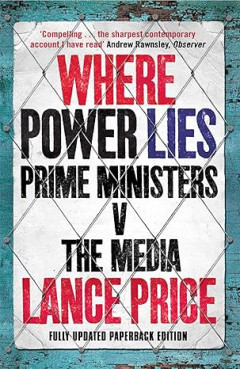
Where power lies prime ministers v the media
Britain has one of the oldest and most developed democracies on earth. It is admired and copied the world over. Yet at home British politics is frequently viewed with a mixture of derision and contempt. Why? Our democratic system may be mature but the politicians we elect and the media we rely on to tell us what they are up to often behave like difficult teenagers, calling each other names, arg…
- Edisi
- Cet. 1
- ISBN/ISSN
- 978-1-84737-253-6
- Deskripsi Fisik
- xiii, 498 pages : bibl: hlm 470-476 : index ; 24 cm
- Judul Seri
- -
- No. Panggil
- 327.16 Pri w

U.S. Nonproliferation policy towards North Korea: Nuclear program, DPRK belli…
The United States policy for dealing with a nuclear North Korea has been a combination of containment, deterrence, and limited engagement since 1994. While this policy has prevented war on the Korean peninsula, it has not prevented North Korea from developing a nuclear program and proliferating this technology, as well as missile technology, to numerous countries not friendly to the United States.
- Edisi
- -
- ISBN/ISSN
- 978-152-0959-48-1
- Deskripsi Fisik
- 62 pages ; 26 cm
- Judul Seri
- -
- No. Panggil
- 341.5 Man u

United States congress: Security implications of the nuclear non-proliferatio…
Excerpt from Security Implications of the Nuclear Non-Proliferation Agreement With North Korea: Hearing Before the Committee on Armed Services, United States Senate, One Hundred Fourth Congress, First Session, January 26, 1995 Committee staff members present: Richard L. Reynard, staff di rector, George W. Lauffer, deputy staff director, and Christine K. Cimko, press secretary. About the Publish…
- Edisi
- -
- ISBN/ISSN
- 978-0-332-64810-1
- Deskripsi Fisik
- iii, 95 pages ; 24 cm
- Judul Seri
- -
- No. Panggil
- 341.5 Sta u
 Karya Umum
  Filsafat
  Agama
Agama  Ilmu-ilmu Sosial
  Bahasa
  Ilmu-ilmu Murni
  Ilmu-ilmu Terapan
  Kesenian, Hiburan, dan Olahraga
  Kesusastraan
  Geografi dan Sejarah