Ditapis dengan
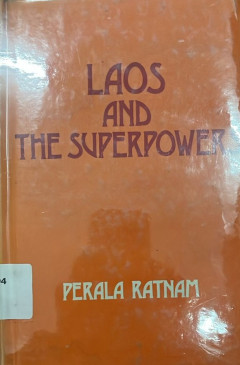
Laos and the superpowers
This book examines the complex international relations of Laos during the Cold War era, focusing on the competing influence of major global powers. It explores how the United States, the Soviet Union, and regional actors sought to shape Laos’s political direction through diplomatic pressure, military involvement, and ideological competition. The author analyzes internal conflicts, foreign int…
- Edisi
- -
- ISBN/ISSN
- -
- Deskripsi Fisik
- vii, 166 pages ; 23 cm
- Judul Seri
- -
- No. Panggil
- 323.594 RAT l
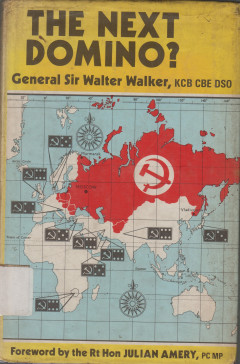
The Next domino?
The Next Domino? examines the geopolitical tensions of the late Cold War through the perspective of General Sir Walter Walker, former NATO Commander-in-Chief of Allied Forces Northern Europe. The book analyzes the perceived threat of Soviet expansion and the possibility of a "domino effect" in global political instability. Walker discusses military strategy, ideological confrontation, and Weste…
- Edisi
- -
- ISBN/ISSN
- 0-85205-005-4
- Deskripsi Fisik
- xvi, 371 pages : illustrations ; 24 cm
- Judul Seri
- -
- No. Panggil
- 327.41047 WAL n

The Realities behind diplomacy: Background influences on British external pol…
This book examines the fundamental factors that influenced British foreign policy from the mid-19th century to 1980. Paul Kennedy examines the various aspects—economic strength, geographic location, social structure, strategic interests, and global power dynamics—that shaped how Britain responded to international change. Using historical approaches and political analysis, the book explains …
- Edisi
- -
- ISBN/ISSN
- -
- Deskripsi Fisik
- 416 pages ; 19,5 cm
- Judul Seri
- -
- No. Panggil
- 327.41009 KEN r
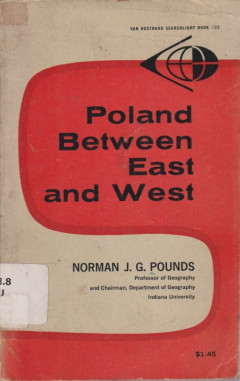
Poland between east and west
This book presents a comprehensive overview of Poland's geographic and geopolitical position as a country situated between the great powers of Eastern and Western Europe. Norman J. G. Pounds examines the history, socio-economic conditions, cultural influences, and political dynamics that shaped modern Polish identity. Part of the Searchlight Books series, this work aims to provide a concise yet…
- Edisi
- -
- ISBN/ISSN
- -
- Deskripsi Fisik
- 132 pages : illustration ; 20,5 cm
- Judul Seri
- -
- No. Panggil
- 943.8 POU p
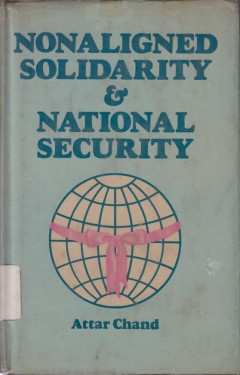
Nonaligned solidarity and national security
This book examines the political significance of the Non-Aligned Movement and its role in shaping national security policies among developing countries. Attar Chand explores how nonalignment emerged as an alternative strategy during the Cold War, offering smaller nations a framework for independence, cooperation, and security outside the major power blocs. The work analyzes the principles of no…
- Edisi
- -
- ISBN/ISSN
- -
- Deskripsi Fisik
- xxxii, 346 pages ; 22,5 cm
- Judul Seri
- -
- No. Panggil
- 327.172 CHA n
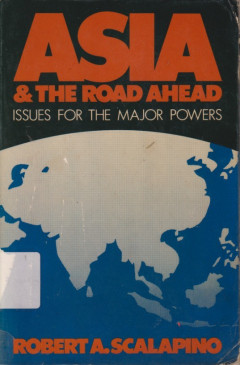
Asia and the road ahead: Issues for the major powers
This book presents an in-depth analysis of Asia’s evolving strategic landscape and the key issues shaping the region’s political future. Robert A. Scalapino examines the roles and interactions of major world powers—including the United States, China, Japan, and the Soviet Union—in influencing Asia’s political direction. The work highlights geopolitical tensions, security challenges, i…
- Edisi
- -
- ISBN/ISSN
- 0-520-03173-3
- Deskripsi Fisik
- x, 337 pages : illustration ; 21 cm
- Judul Seri
- -
- No. Panggil
- 327.5 SCA a
Struggle for central Asia
Struggle for Central Asia explores the historical and geopolitical contest among major powers for influence over the Central Asian region. Ram Rahul analyzes the strategic importance of Central Asia, tracing political rivalries, territorial ambitions, ideological penetration, and diplomatic maneuvers that shaped the region during the 19th and 20th centuries. The book provides insight into the d…
- Edisi
- -
- ISBN/ISSN
- 0-7069-1529-5
- Deskripsi Fisik
- 102 pages ; 22 cm
- Judul Seri
- -
- No. Panggil
- 327.54 RAH s

Southeast Asia and the world of tomorrow
“This publication discusses the political, economic, and strategic challenges facing Southeast Asia and explores possible future developments for the region. Produced by the Centre for Strategic and International Studies (CSIS) Jakarta, the work outlines regional dynamics, international alignments, and prospects for Southeast Asia’s role in global affairs. It reflects early scholarly assess…
- Edisi
- -
- ISBN/ISSN
- -
- Deskripsi Fisik
- xi, 406 pages ; 21,5 cm
- Judul Seri
- -
- No. Panggil
- 327.59 CEN s

Madagascar in the whirlwind of international relations: At The heart of the I…
This book by Serge Zafimahova offers a critical and insightful analysis of Madagascar’s international and regional political dynamics within the Indian Ocean. Drawing on the author’s extensive experience as a former international affairs correspondent and presidential adviser, the work examines the interaction between global politics and Madagascar’s domestic policy. It highlights issues …
- Edisi
- -
- ISBN/ISSN
- 2-913015-01-8
- Deskripsi Fisik
- 210 pages ; 23,5 cm
- Judul Seri
- -
- No. Panggil
- 327.669 ZAF m
Pakistan's geopolitical and strategic compulsions
Pakistan’s Geopolitical and Strategic Compulsions is an in-depth analysis of the geopolitical and strategic factors shaping Pakistan’s foreign policy and defense direction in the modern era. Ikram Azam outlines Pakistan’s strategic geographic location—bordering major regional and global powers—and how this position creates complex strategic challenges and needs. Through historical, po…
- Edisi
- -
- ISBN/ISSN
- -
- Deskripsi Fisik
- x, 443 pages; 25 cm
- Judul Seri
- -
- No. Panggil
- 320.125491 AZA p
 Karya Umum
  Filsafat
  Agama
Agama  Ilmu-ilmu Sosial
  Bahasa
  Ilmu-ilmu Murni
  Ilmu-ilmu Terapan
  Kesenian, Hiburan, dan Olahraga
  Kesusastraan
  Geografi dan Sejarah