Ditapis dengan

Science and Data-Based Approach for the Development of Effective Diplomacy an…
Indonesia’s foreign policy is shaped by domestic priorities, presidential policy agendas, and international economic and political developments, including the COVID-19 pandemic. These changing circumstances require the Ministry of Foreign Affairs (MOFA) to adapt its diplomatic strategies while addressing constraints related to budgets, human resources, and communication. This paper proposes a…
- Edisi
- -
- ISBN/ISSN
- -
- Deskripsi Fisik
- -
- Judul Seri
- -
- No. Panggil
- SESDILU 70-2021

Empowering Foreign Language Graduates Diplomats by Preserving their Language …
Foreign language proficiency is an essential tool for effective diplomacy. However, Indonesia’s Ministry of Foreign Affairs (MoFA) faces challenges in maintaining the language skills of diplomats who graduated from foreign language programs but have limited opportunities to use their studied languages in overseas assignments. This paper examines diplomats’ perspectives and motivation regard…
- Edisi
- -
- ISBN/ISSN
- -
- Deskripsi Fisik
- -
- Judul Seri
- -
- No. Panggil
- SESDILU 70-2021
Indonesian Diplomat - Interpreter: Qou vadis?
This paper examines the current state and future direction of diplomat-interpreters (D-Is) within Indonesia's Ministry of Foreign Affairs. Following the enactment of Law No. 24/2009 mandating the use of Bahasa Indonesia by the President in high-level international meetings held in Indonesia, the Ministry established an English-Bahasa Indonesia diplomat-interpreter team in 2011, deployed across …
- Edisi
- -
- ISBN/ISSN
- -
- Deskripsi Fisik
- -
- Judul Seri
- -
- No. Panggil
- Sesdilu 76-2024
Navigating Trump's Gaza proposal: A path for Indonesia
Indonesia can strengthen its diplomatic response to the Gaza crisis through coordinated diplomatic, humanitarian, economic, and legal engagement. In addressing proposals involving the relocation of Palestinians, Indonesia can promote international cooperation, support humanitarian assistance and Gaza’s reconstruction, contribute to sustainable financing mechanisms, and strengthen internationa…
- Edisi
- -
- ISBN/ISSN
- -
- Deskripsi Fisik
- -
- Judul Seri
- -
- No. Panggil
- Sesdilu 78-2025

Enhancing emergency support to foreign missions and its officials in Indonesia
Indonesia needs a more comprehensive emergency support mechanism for foreign missions and their officials to strengthen diplomatic relations and fulfill its international obligations. Although Permenlu No. 20 of 2020 provides a framework for assisting foreign nationals during emergencies, it does not specifically address the needs of foreign missions and their personnel. Revising the regulation…
- Edisi
- -
- ISBN/ISSN
- -
- Deskripsi Fisik
- -
- Judul Seri
- -
- No. Panggil
- Sesdilu 80-2026

Strengthening the consular role and protecting Indonesian citizens abroad thr…
This Study examines the strengthening of consular services and the protection of Indonesian citizens in Taiwan through the deployment of additional Ministry of Foreign Affairs personnel in Kaohsiung. The policy analysis highlights the increasing demand for consular services and the concentration of existing personnel in Taipei. Given Kaohsiung’s strategic location and significant Indonesian m…
- Edisi
- -
- ISBN/ISSN
- -
- Deskripsi Fisik
- -
- Judul Seri
- -
- No. Panggil
- Sesdilu 77-2024
Strengthening language proficiency for Indonesian diplomats
This study examines the importance of strengthening language proficiency among Indonesian diplomats to support effective representation of national interests in multilateral forums. It highlights the lack of a comprehensive policy for developing language skills beyond English, which may increase reliance on interpreters and limit diplomatic effectiveness. The paper recommends a comprehensive la…
- Edisi
- -
- ISBN/ISSN
- -
- Deskripsi Fisik
- -
- Judul Seri
- -
- No. Panggil
- Sesdilu 77-2024

Enhancing diplomacy’s performance by addressing the needs of third culture…
The present analysis investigates the requirements of Third Culture Kids (TCKs) in order to facilitate the effectiveness of diplomats and the Ministry of Foreign Affairs. Diplomatic assignments involving repeated relocations between countries can present difficulties for children in terms of their education, social relationships, identity and emotional well-being. The study therefore recommends…
- Edisi
- -
- ISBN/ISSN
- -
- Deskripsi Fisik
- -
- Judul Seri
- -
- No. Panggil
- Sesdilu 79-2025

The Evolution of diplomatic method
This book, based on the Chichele Lectures delivered by Harold Nicolson at the University of Oxford in 1953, provides a comprehensive historical analysis of the evolution of diplomatic methods. Nicolson explores the transformation of diplomatic practices from the Renaissance to modern times, detailing the various methods employed in diplomacy and their impact on international relations.
- Edisi
- -
- ISBN/ISSN
- -
- Deskripsi Fisik
- 91 pages ; 22 cm
- Judul Seri
- -
- No. Panggil
- 327.2 NIC e
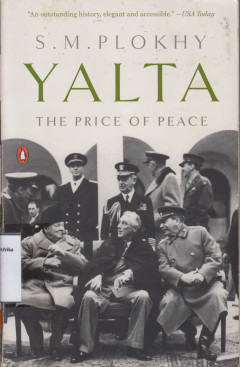
Yalta: The Price of peace
“Yalta: The Price of Peace” by historian Serhii Plokhy provides a comprehensive examination of the 1945 Yalta Conference, where Roosevelt, Churchill, and Stalin negotiated the political shape of the postwar world. Drawing from newly available archival materials, Plokhy reveals the strategic calculations, personal dynamics, and geopolitical pressures that shaped the decisions leading to the …
- Edisi
- -
- ISBN/ISSN
- ISBN 978-0-670-02141-3
- Deskripsi Fisik
- xxviii, 451 pages ; 21,5 cm
- Judul Seri
- -
- No. Panggil
- 940.5314 PLO y
 Karya Umum
  Filsafat
  Agama
Agama  Ilmu-ilmu Sosial
  Bahasa
  Ilmu-ilmu Murni
  Ilmu-ilmu Terapan
  Kesenian, Hiburan, dan Olahraga
  Kesusastraan
  Geografi dan Sejarah