Ditapis dengan

la France et Bandung: Les batailles diplomatiques entre la France, l’Afriqu…
This book examines France’s diplomatic strategies and political challenges surrounding the Asian–African Conference held in Bandung in 1955. Focusing on the period between 1950 and 1955, the author analyzes France’s relations with Indonesia, North Africa, and Indochina within the broader context of decolonization and Cold War geopolitics. Through archival research and diplomatic analysis,…
- Edisi
- -
- ISBN/ISSN
- 978-2-84654-541-9
- Deskripsi Fisik
- 311 pages ; 24 cm
- Judul Seri
- -
- No. Panggil
- 327.0944 KHU l

France and the Africans 1944–1960: A Political history
Edward Mortimer's France and the Africans 1944–1960: A Political History examines the political relations between France and African countries from the late colonial period through decolonization. The book explores French policy toward its colonies, the dynamics of African internal politics, and the transition to independence. Mortimer provides a thorough analysis of the political negotiation…
- Edisi
- -
- ISBN/ISSN
- -
- Deskripsi Fisik
- 390 pages : illustration ; 21,5 cm
- Judul Seri
- -
- No. Panggil
- 325.344 MOR f
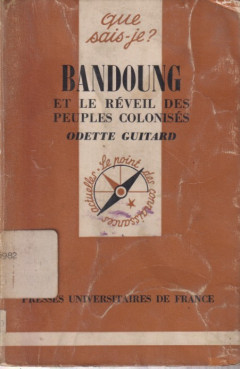
Bandoung et le réveil des peuples colonisés
This book analyzes the historical significance of the Bandung Conference and its role in awakening colonized peoples across Asia and Africa. Odette Guitard examines the political, cultural, and ideological processes that shaped the rise of Afro-Asian solidarity during the mid-twentieth century. The work highlights the emergence of anti-colonial movements, the development of Third World consciou…
- Edisi
- -
- ISBN/ISSN
- -
- Deskripsi Fisik
- 126 pages ; 18 cm
- Judul Seri
- -
- No. Panggil
- 325.309 GUI b
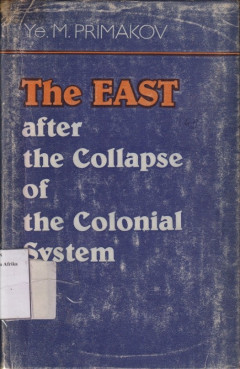
The East after the collapse of the colonial system
This book presents an analysis of political, social, and economic developments in Asian and Middle Eastern countries following the collapse of the colonial system. Written from a Soviet perspective, Ye. M. Primakov examines the transformation of newly independent states, the emergence of national liberation movements, and the geopolitical realignments that shaped the post-colonial world. The st…
- Edisi
- -
- ISBN/ISSN
- -
- Deskripsi Fisik
- 175 pages ; 20,5 cm
- Judul Seri
- -
- No. Panggil
- 325.3 PRI e
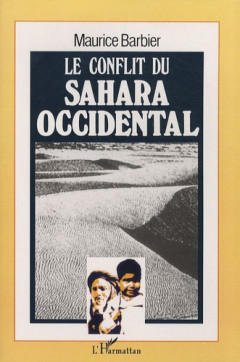
Le conflit du Sahara Occidental
This book examines the Western Sahara conflict in depth, a long-running dispute between Morocco, Mauritania, and the Polisario Front liberation movement that emerged after the end of Spanish colonialism. Maurice Barbier outlines the historical roots of the conflict, regional political dynamics, the role of international actors, and its geopolitical implications for the North African region. Thi…
- Edisi
- -
- ISBN/ISSN
- 2-85802-197-X
- Deskripsi Fisik
- 419 pages; 24 cm
- Judul Seri
- -
- No. Panggil
- 966 BAR l
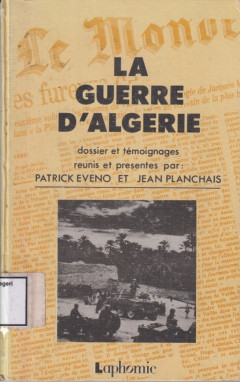
La Guerre d’algérie
This book presents a comprehensive dossier on the Algerian War of Independence, compiled and introduced by Patrick Éveno and Jean Planchais for Le Monde. It includes historical analyses, journalistic reports, and firsthand testimonies that document the political, social, and military dimensions of the conflict between France and the Algerian National Liberation Front (FLN). The volume provides…
- Edisi
- -
- ISBN/ISSN
- 2-7071-1863-X
- Deskripsi Fisik
- 425 pages : illustration ; 22 cm
- Judul Seri
- -
- No. Panggil
- 965.04 PAT l
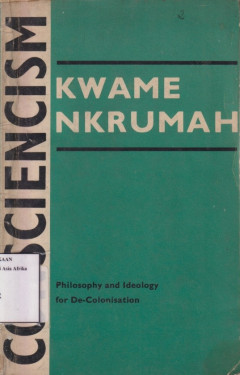
Consciencism: Philosophy and ideology for decolonisation
Consciencism is Kwame Nkrumah’s influential work on the philosophical foundations of African liberation and political transformation. In this book, Nkrumah outlines a comprehensive ideological system intended to guide newly independent African nations toward unity, social justice, and economic independence. He examines the cultural and historical forces that shaped modern Africa and argues fo…
- Edisi
- -
- ISBN/ISSN
- 901787-11-6
- Deskripsi Fisik
- vi, 122 pages ; 21,5 cm
- Judul Seri
- -
- No. Panggil
- 320.9609 KWA c
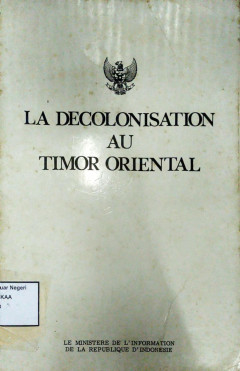
La Decolonisation au Timor oriental
La Décolonisation au Timor Oriental presents the Indonesian government’s official narrative regarding the political developments surrounding East Timor’s transition from Portuguese colonial rule in the mid-1970s. Published by the Ministry of Information of the Republic of Indonesia, the book outlines Indonesia’s interpretation of the events leading to the collapse of Portuguese authority…
- Edisi
- -
- ISBN/ISSN
- -
- Deskripsi Fisik
- 100 pages : Ilustrations ; 23 cm
- Judul Seri
- -
- No. Panggil
- 959.8 TIM l

The imperial mantle: The United States, decolonization, and the Third World
The Imperial Mantle traces the upheavals in the post-war era as the peoples of British, Dutch, Belgian, and Portuguese empires demanded and gained independence. As the most powerful leader of the free world, despite its anti-colonial heritage, the United States tended to inherit the imperial mantle in this period, becoming the focus of both expectations and demands from the new nations. How the…
- Edisi
- -
- ISBN/ISSN
- 0-253-33834-4
- Deskripsi Fisik
- x, 241 pages : bibl: hlm 225-231 : index ; 25 cm
- Judul Seri
- -
- No. Panggil
- 327.7301724 New i
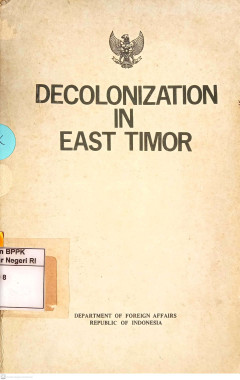
Decolonization in East Timor
Decolonization in East Timor represents a complex and contentious historical process marked by the struggle for independence from foreign rule. This compilation delves into the historical context, key events, and international dynamics surrounding East Timor's path to decolonization. The compilation traces East Timor's journey from Portuguese colonial rule to Indonesian annexation in 1975, a mo…
- Edisi
- -
- ISBN/ISSN
- -
- Deskripsi Fisik
- 102 halaman.; 23 cm.
- Judul Seri
- -
- No. Panggil
- 327.9598 Ind i
 Karya Umum
  Filsafat
  Agama
Agama  Ilmu-ilmu Sosial
  Bahasa
  Ilmu-ilmu Murni
  Ilmu-ilmu Terapan
  Kesenian, Hiburan, dan Olahraga
  Kesusastraan
  Geografi dan Sejarah