Ditapis dengan
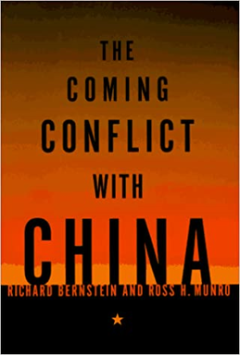
The coming conflict with China
Richard Bernstein and Ross Munro, former Beijing bureau chiefs with long experience in Asian affairs, present a clear-eyed and uncompromising look at the potentially disastrous collision course now taking shape in US-China relations
- Edisi
- First Edition
- ISBN/ISSN
- 0-679-45463-2
- Deskripsi Fisik
- xix, 245 pages : map : index ; 21 cm
- Judul Seri
- -
- No. Panggil
- 327.51073 Ber c
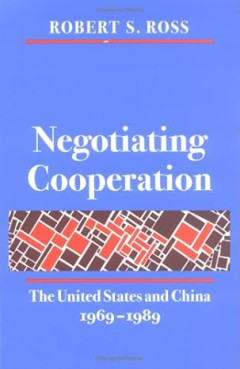
Negotiating cooperation: The United States and China 1969-1989
In short, the book is a series of case studies of U.S.-China negotiations, examining the impact, at various points in time, of distinct combinations of internal and external factors on the behavior of the negotiators and the outcome of the negotiations.
- Edisi
- -
- ISBN/ISSN
- 0-8047-2454-7
- Deskripsi Fisik
- xii, 349 pages : index ; 23 cm
- Judul Seri
- -
- No. Panggil
- 327.73051 Ros n

Nixon and Mao: The week that changed the world
Contents: 1. Setting out 2. Arrival 3. Chou En-Lai 4. At the Diaoyutai 5. Meeting with Mao 6. Mao Tse-Tung 7. The long freeze etc.
- Edisi
- -
- ISBN/ISSN
- 978-1-4000-6127-3
- Deskripsi Fisik
- xxii, 404 pages : illustrations (black and white) : bibl: hlm 375-386 : index ; 24 cm
- Judul Seri
- -
- No. Panggil
- 327.73 Mac n
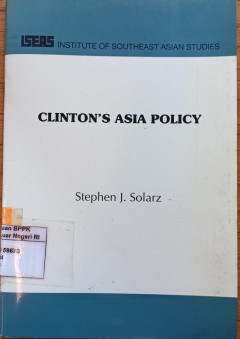
Clinton's Asia policy
A related adjustment in American policy toward China has been the extent to which the United States has re-initiated a high-level dialogue with the PRC President Bush, perhaps because he did not want to be seen as being too soft on China in the wake of the Tiananmen incident, suspended a high-level dialogue with Beijing. Under President Clinton, to some extent perhaps because the Administration…
- Edisi
- -
- ISBN/ISSN
- 981-3016-88-4
- Deskripsi Fisik
- viii, 22 pages ; 25 cm
- Judul Seri
- -
- No. Panggil
- 327.16959673 Sol c

Year of the rat: How Bill Clinton compromised U.S. security for Chinese cash
In order to gain and hold onto power, the Clinton administration has acted recklessly, allowing the wrong people to gain access to our most important political and economic secrets. Any number of Chinese arms dealers, spies, narcotics traffickers, gangsters, pimps, accomplices to mass murder, communist agents, and other undesirables will appear in these pages, all associated in one way or anoth…
- Edisi
- -
- ISBN/ISSN
- 0-89526-333-5
- Deskripsi Fisik
- 275 pages : index ; 23 cm
- Judul Seri
- -
- No. Panggil
- 324.780 Tim y

About face: A History of America's curious relationship with China, from Nixo…
Drawing on hundreds of previously classified documents, scores of interviews, and his own experience, James Mann, former Los Angeles Times Beijing bureau chief, presents the fascinating inside story of contemporary U.S.-China relations. President Nixon and Secretary of State Kissinger began their diplomacy with China in an attempt to find a way out of Vietnam. The remaining Cold War presidents…
- Edisi
- First Edition
- ISBN/ISSN
- 0-679-45053-X
- Deskripsi Fisik
- 433 pages ; 25 cm
- Judul Seri
- -
- No. Panggil
- 327.73051 Man a
 Karya Umum
  Filsafat
  Agama
Agama  Ilmu-ilmu Sosial
  Bahasa
  Ilmu-ilmu Murni
  Ilmu-ilmu Terapan
  Kesenian, Hiburan, dan Olahraga
  Kesusastraan
  Geografi dan Sejarah