Ditapis dengan

Profil Dewan Perwakilan Daerah Republik Indonesia tahun sidang 2010-2011
Buku Profil Dewan Perwakilan Daerah Republik Indonesia (DPD RI) ini disusun sebagai wahana untuk DPD RI dapat dikenal lebih baik sebagai Lembaga Negara yang dilahirkan dari hasil perubahan UUD 1945 dalam rangka Negara Indonesia berkembang menjadi negara demokratis, yang mengedepankan prinsip pemerintahan yang desentralistik. Sekaligus buku ini diharapkan menjadi sarana sambung rasa bagi masyara…
- Edisi
- Cetakan Kedua
- ISBN/ISSN
- -
- Deskripsi Fisik
- 36 halaman ; 21 cm
- Judul Seri
- -
- No. Panggil
- 324.598 Ind p

Muslim separatism: The Moros of Southern Philippines and the Malays of Southe…
This important comparative study views the separatist movements in the Philippines and Thailand as both political phenomena and springing from dissatisfied ethnic minorities. The author questions "Modernization school" and Marxist belief that ethnicity is a transitory phenomenon, arguing that that concept of "national culture" may result in minority groups remaining outside the culture. Examini…
- Edisi
- -
- ISBN/ISSN
- 9711130998
- Deskripsi Fisik
- xviii, 240 pages ; 26 cm
- Judul Seri
- -
- No. Panggil
- 959.97 Man m
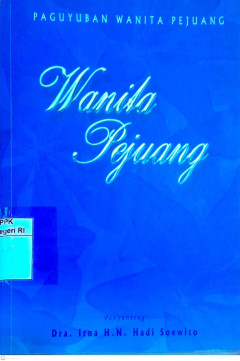
Wanita pejuang: Paguyuban wanita pejuang
Ketika api revolusi membakar semangat kita serentak bangkit bersama turut berjuang bela negara merebut mempertahankan asasi bangsa mengusir penjajah bedebah angkara. Ketika Nusantara bebas merdeka kita mengisi kemerdekaan tetap berjuang di segala bidang memerangi kebodohan dan kemiskinan. Ketika usia senja didekap malam jiwa juang tak pernah padam menyulut obor alih generasi bersama mereka berd…
- Edisi
- -
- ISBN/ISSN
- -
- Deskripsi Fisik
- xviii, 419 halaman : 21 cm
- Judul Seri
- -
- No. Panggil
- 305.43 Soe w

Final documents: The tenth conference of heads of state or government of non-…
At its inaugural session, the Conference was privileged to hear an inspiring keynote address delivered by His Excellency Mr. Soeharto, President of the Republic of Indonesia. His insightful and lucid address was welcomed as a significant contribution to the deliberations and successful outcome of the Conference. The President, in noting the collapse of the bipolar structure of the world, stress…
- Edisi
- -
- ISBN/ISSN
- -
- Deskripsi Fisik
- 128 pages ; 24 cm
- Judul Seri
- -
- No. Panggil
- 327 Ind f

The Agenda: Inside the Clinton White House
The Agenda is a day-by-day, often minute-by-minute account of Bill Clinton's White House. Drawing on hundreds of interviews, confidential internal memos, diaries, and meeting notes, Woodward shows how Clinton and his advisers grappled with questions of lasting importance -- the federal deficit, health care, welfare reform, taxes, jobs. One of the most intimate portraits of a sitting president e…
- Edisi
- -
- ISBN/ISSN
- 0671864866
- Deskripsi Fisik
- 352 pages : illustration, index ; 23 cm
- Judul Seri
- -
- No. Panggil
- 973.929 Woo a

Laporan lokakarya perserikatan bangsa-bangsa mengenai perlucutan senjata untu…
Laporan ini menyajikan ringkasan hasil lokakarya Perserikatan Bangsa-Bangsa (PBB) yang bertujuan untuk mengatasi isu perlucutan senjata di Kawasan Asia dan Pasifik. Lokakarya ini diadakan sebagai upaya untuk mendorong perdamaian, stabilitas, dan keamanan di kawasan tersebut. Hasil lokakarya ini mencerminkan upaya PBB dalam mengatasi tantangan terkait senjata dan konflik di kawasan yang melibatk…
- Edisi
- -
- ISBN/ISSN
- -
- Deskripsi Fisik
- xvii, 229 halaman ; 23 cm
- Judul Seri
- -
- No. Panggil
- 327.174959990 Ind l

Kumpulan data Menteri Luar Negeri dan kepala perwakilan Republik Indonesia
Kumpulan data Menteri Luar Negeri dan kepala perwakilan Republik Indonesia adalah sumber informasi penting yang meliputi profil para diplomat tingkat tinggi yang mewakili negara Indonesia di tingkat nasional dan internasional. Data ini mencakup informasi tentang Menteri Luar Negeri Indonesia dan para kepala misi diplomatik di berbagai negara serta dalam organisasi internasional. Menteri Luar Ne…
- Edisi
- -
- ISBN/ISSN
- 9789798476204
- Deskripsi Fisik
- iii, 253 halaman.; 27 cm.
- Judul Seri
- -
- No. Panggil
- 920 Ind k

Indonesia dan dunia: Refleksi pemikiran Diplomat muda Indonesia
Buku ini merupakan kumpulan tulisan para diplomat muda Indonesia yang baru menyelesaikan pendidikan di Sekolah Dinas Luar Negeri (Sekdilu) Departemen Luar Negeri. Ia mempertemukan idealisme kaum muda dengan keterampilan diplomasi dalam menelaah isu-isu utama politik luar negeri Indonesia. Buku ini secara menyeluruh mencermati enam isu utama, yaitu strategi dan keamanan, ekonomi-politik, politik…
- Edisi
- -
- ISBN/ISSN
- -
- Deskripsi Fisik
- xxiv, 356 halaman ; 23 cm
- Judul Seri
- -
- No. Panggil
- 327 Ind i
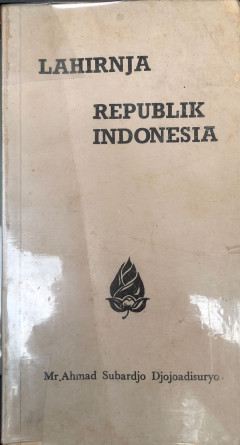
Lahirnja Republik Indonesia
Buku ini ditulis untuk memberikan suatu laporan terperinci dari pengalaman-pengalaman penulis. Tidak hanya sekitar hari Proklamasi Kemerdekaan tetapi juga tentang perkembangan gerakan kemerdekaan dalam arti azas-azas yang melandasinya serta pelaksanaan dalam perjuangan praktisinya ke arah tercapainya tujuan itu
- Edisi
- -
- ISBN/ISSN
- -
- Deskripsi Fisik
- 120 halaman ; 21 cm
- Judul Seri
- -
- No. Panggil
- 959.803 Djo l
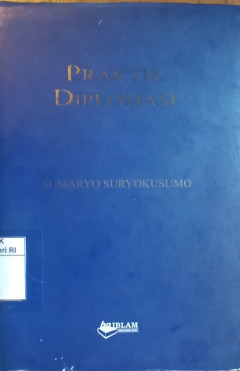
Praktik Diplomasi
Praktik diplomasi adalah suatu proses yang kompleks dalam hubungan internasional yang bertujuan untuk mencapai tujuan negara atau entitas internasional melalui negosiasi, dialog, dan komunikasi. Diplomasi telah menjadi salah satu instrumen utama dalam menjaga perdamaian, mempromosikan kepentingan nasional, serta menyelesaikan konflik di antara negara-negara di seluruh dunia. Buku ini akan memba…
- Edisi
- Cetakan pertama
- ISBN/ISSN
- 9789799845498
- Deskripsi Fisik
- 342 halaman ; 21 cm
- Judul Seri
- -
- No. Panggil
- 327.2 Sur p
 Karya Umum
  Filsafat
  Agama
Agama  Ilmu-ilmu Sosial
  Bahasa
  Ilmu-ilmu Murni
  Ilmu-ilmu Terapan
  Kesenian, Hiburan, dan Olahraga
  Kesusastraan
  Geografi dan Sejarah