Ditapis dengan
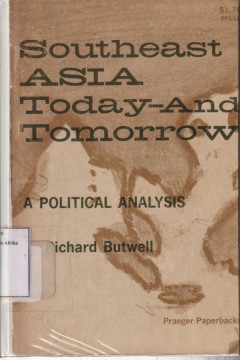
Southeast Asia today-and tomorrow: A Political analysis
This book presents a political analysis of Southeast Asia during the early post-colonial era, examining the major political developments, regional dynamics, and emerging challenges faced by Southeast Asian nations. Richard Butwell explores issues of governance, nationalism, international alignments, and the strategic significance of the region. The work provides historical insights as well as f…
- Edisi
- -
- ISBN/ISSN
- -
- Deskripsi Fisik
- x, 182 pages : illustration ; 20,5 cm
- Judul Seri
- -
- No. Panggil
- 320.959 BUT s
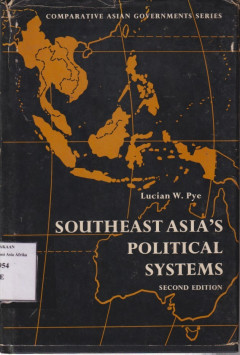
Southeast Asia’s political systems
This book provides a comprehensive analysis of the political systems of Southeast Asian countries, examining the historical, cultural, and social foundations that shape governance in the region. Lucian W. Pye explores the comparative structures of political authority, leadership patterns, modernization challenges, and the interaction between traditional values and modern state-building. As part…
- Edisi
- Kedua
- ISBN/ISSN
- 0-13-823690-9
- Deskripsi Fisik
- xi, 116 pages ; 23,5 cm
- Judul Seri
- -
- No. Panggil
- 320.959 PYE s
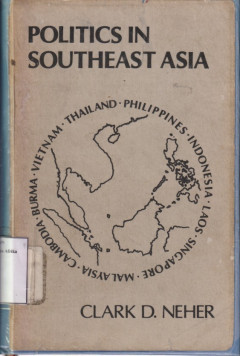
Politics in Southeast Asia
This book presents a comprehensive study of political systems and government structures in Southeast Asia. Clark D. Neher analyzes major political developments, institutional frameworks, leadership patterns, and ideological influences across countries in the region. The work emphasizes the diversity of political experiences in Southeast Asia and explores how historical, cultural, and socioecono…
- Edisi
- -
- ISBN/ISSN
- 0-87073-872-0
- Deskripsi Fisik
- viii, 278 pages : illustration ; 21 cm
- Judul Seri
- -
- No. Panggil
- 320.959 NEH p

South-East Asia 1930–1970: The legacy of colonialism and nationalism
This book provides a comprehensive analysis of Southeast Asia from 1930 to 1970, focusing on the profound political, social, and economic transformations that shaped the region. Fred R. von der Mehden examines the long-lasting impact of colonialism and the rise of nationalist movements that ultimately led to independence across Southeast Asian nations. Through historical interpretation and comp…
- Edisi
- -
- ISBN/ISSN
- 0-500-71004-X
- Deskripsi Fisik
- 144 pages : illustration ; 21 cm
- Judul Seri
- -
- No. Panggil
- 959.05 MEH s
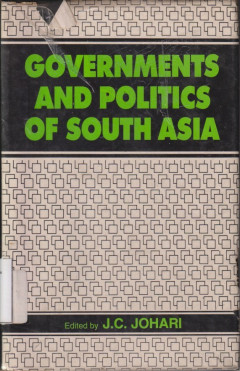
Governments and politics of South Asia
“This book provides a comprehensive analysis of governmental structures and political dynamics in South Asia. It examines the historical development, constitutional frameworks, political institutions, leadership patterns, and contemporary political challenges in countries of the region. Through contributions from multiple scholars, the book offers comparative insights into democratic practice…
- Edisi
- -
- ISBN/ISSN
- -
- Deskripsi Fisik
- xviii, 604 pages ; 22,5 cm
- Judul Seri
- -
- No. Panggil
- 320.954 JOH g
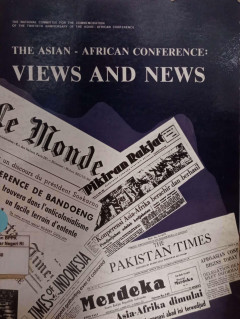
The Asian-African conference: Views and news
This book is about the significance of the forthcoming Afro-Asia conference, for which the foundations are being laid by the colombo powers at Bogor, there can be no doubt. It is in response to an increasing awereness of common interests and closer bonds among those Afro-Asian powers which have remained uncommitted to either the communist states or to the western bloc.
- Edisi
- -
- ISBN/ISSN
- -
- Deskripsi Fisik
- 119 halaman ; 30 cm
- Judul Seri
- -
- No. Panggil
- 950.960 NAT a

South Asia: Post-nehrurvian dynamics of diplomacy
This book examines the shifts in South Asian diplomacy in the post-Nehruvian era, focusing on how regional politics, security concerns, and changes in India's foreign policy have shaped inter-state relations in South Asia. Edited by K.M. Sajad Ibrahim, the volume brings together analyses from scholars on themes such as regional cooperation, conflict dynamics, strategic interests, and the evolvi…
- Edisi
- -
- ISBN/ISSN
- 978-81-7708-355-2
- Deskripsi Fisik
- xxi, 239 pages : illustrations ; 22,5 cm
- Judul Seri
- -
- No. Panggil
- 327.54 IBR s
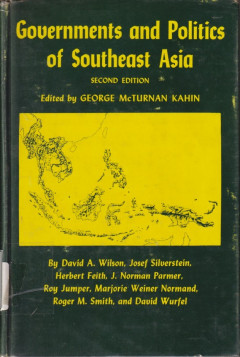
Governments and politics of Southeast Asia
This volume offers a comprehensive examination of the political systems and governmental structures of Southeast Asian nations during the mid-twentieth century. Edited by George McTurnan Kahin, the book brings together contributions from leading scholars who analyze historical foundations, political change, institutional development, and regional dynamics across Southeast Asia. Through country-…
- Edisi
- -
- ISBN/ISSN
- -
- Deskripsi Fisik
- xvii, 796 pages : illustration ; 24 cm
- Judul Seri
- -
- No. Panggil
- 320.959 KAH g

International politics in East Asia since world war II
This book provides a comprehensive overview of the major political developments and international relations in East Asia following World War II. Donald F. Lach and Edmund S. Wehrle analyze key regional dynamics, including the rise of new nation-states, ideological conflicts, Cold War tensions, and shifting power structures. Through historical context and political analysis, the authors explore …
- Edisi
- -
- ISBN/ISSN
- -
- Deskripsi Fisik
- x, 388 pages : illustration ; 23 cm
- Judul Seri
- -
- No. Panggil
- 327.51 LAC i
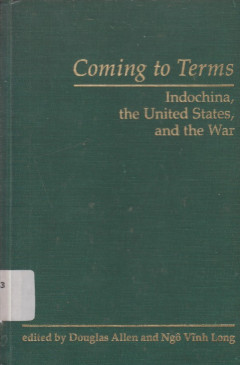
Coming to terms: Indochina, the United States, and the war
Coming to Terms is a scholarly examination of the political, social, and historical dimensions of the Indochina conflict and the role of the United States. Edited by Douglas Allen and Ngô Vĩnh Long, the book brings together contributions from leading researchers who analyze the roots of the war, the consequences for Vietnam, Laos, and Cambodia, and the broader geopolitical implications for So…
- Edisi
- -
- ISBN/ISSN
- 0-8133-1249-3
- Deskripsi Fisik
- ix, 350 pages : illustrations ; 23,5 cm
- Judul Seri
- -
- No. Panggil
- 959.7043 ALL c
 Karya Umum
  Filsafat
  Agama
Agama  Ilmu-ilmu Sosial
  Bahasa
  Ilmu-ilmu Murni
  Ilmu-ilmu Terapan
  Kesenian, Hiburan, dan Olahraga
  Kesusastraan
  Geografi dan Sejarah