Ditapis dengan

The Encyclopedia Americana international edition: Volume 17 (Latin America to…
This volume of The Encyclopedia Americana International Edition contains articles arranged alphabetically from Latin America to Lytton. It presents comprehensive and scholarly information on subjects including geography, politics, culture, history, literature, and notable biographies. As part of the thirty-volume encyclopedia set published by Americana Corporation, this volume provides authorit…
- Edisi
- International
- ISBN/ISSN
- -
- Deskripsi Fisik
- 894 pages : illustration ; 26 cm
- Judul Seri
- -
- No. Panggil
- 031 BOA e
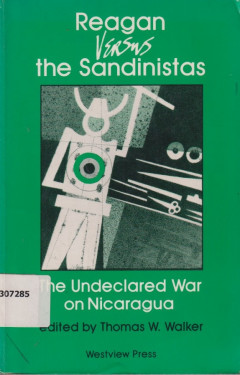
Reagan versus the Sandinistas: The Undeclared war on Nicaragua
This book analyzes the United States’ undeclared war against the Sandinista government in Nicaragua during the 1980s. Edited by Thomas W. Walker, the volume brings together multiple scholars who examine the political, military, and ideological dimensions of U.S. intervention under President Ronald Reagan. The contributors detail the strategies used to destabilize the Sandinistas, the role of …
- Edisi
- -
- ISBN/ISSN
- 0-8133-0371-0
- Deskripsi Fisik
- xiv, 337 pages : illustration ; 23 cm
- Judul Seri
- -
- No. Panggil
- 327.73 WAL r

Governing The American Republic: Economic, law, and policies
This textbook examines the foundations of the American political system, focusing on the interaction between economics, law, and public policy. Written by Alan Stone and Richard P. Barke, the book provides an analytical overview of U.S. governmental structures, constitutional principles, policymaking processes, and the economic forces shaping political decisions. It serves as a comprehensive in…
- Edisi
- -
- ISBN/ISSN
- 0-312-34108-3
- Deskripsi Fisik
- 526 pages; 24 cm
- Judul Seri
- -
- No. Panggil
- 970 STO g

Cradle of gold; The Story of Hiram Bingham, the extraordinary explorer who un…
This book chronicles the journey of Hiram Bingham, the American explorer credited with rediscovering Machu Picchu in 1911. Christopher Heaney explores Bingham's personal life, his ambitions as a scientist and politician, and the controversies surrounding his expedition methods and the retrieval of Inca artifacts. Through in-depth historical research, the book reveals the complex relationship be…
- Edisi
- -
- ISBN/ISSN
- 978-0-230-11204-9
- Deskripsi Fisik
- xiv, 295 pages : illustration ; 23,5 cm
- Judul Seri
- -
- No. Panggil
- 985.046092 HEA c

The Difficult triangle: Mexico, Central America, and the United States
This book examines the complex political and diplomatic relationships among Mexico, Central America, and the United States. Originally published in Spanish and later translated into English, the volume provides an in-depth analysis of regional tensions, foreign policy strategies, and shifting geopolitical dynamics. Drawing on multidisciplinary perspectives, the authors explore economic dependen…
- Edisi
- -
- ISBN/ISSN
- 0-8133-8203-3
- Deskripsi Fisik
- xvi, 192 pages ; 23 cm
- Judul Seri
- -
- No. Panggil
- 327.73072 JAU d
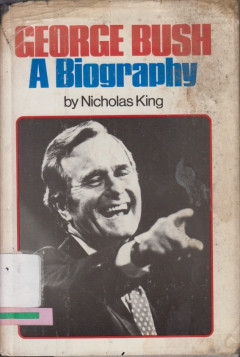
George Bush: A Biography
This biography by Nicholas King provides an overview of the early life, military service, political career, and personal background of George H. W. Bush, who later became the 41st President of the United States. The book examines Bush’s rise through public service, including his roles in Congress, diplomacy, intelligence leadership, and the vice presidency. It presents a clear and accessible …
- Edisi
- -
- ISBN/ISSN
- 0-396-07919-9
- Deskripsi Fisik
- xii, 146 pages : illustrations ; 21,5 cm
- Judul Seri
- -
- No. Panggil
- 973.927092 KIN g
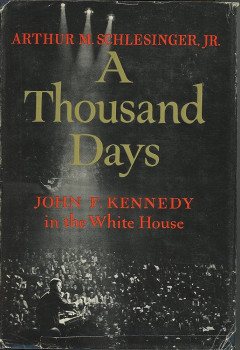
A thousand days: John F. Kennedy in the white house
As special assistant to the president, Arthur Schlesinger witnessed firsthand the politics and personalities that influenced the now legendary Kennedy administration. Schlesinger’s close relationship with JFK, as a politician and as a friend, has resulted in this authoritative yet intimate account in which the president “walks through the pages, from first to last, alert, alive, amused and …
- Edisi
- -
- ISBN/ISSN
- 0-395-08158-0
- Deskripsi Fisik
- xiv, 1087 pages : index ; 22 cm
- Judul Seri
- -
- No. Panggil
- 920.92 SCH t
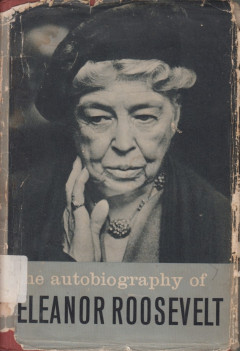
The Autobiography of Eleanor Roosevelt
This autobiography presents the life story of Eleanor Roosevelt, one of the most influential First Ladies and human rights advocates of the twentieth century. Written in her own voice, the book recounts her childhood, personal struggles, public role during Franklin D. Roosevelt’s presidency, and her later work with the United Nations. It offers an intimate look into her development as a polit…
- Edisi
- -
- ISBN/ISSN
- -
- Deskripsi Fisik
- 368 pages : illustrations ; 23,5 cm
- Judul Seri
- -
- No. Panggil
- 973.917092 ROO a

Dialogue with Kissinger: The World toward the 21st century
This book presents a dialogue between Japanese journalist Junnosuke Kishida and former U.S. Secretary of State Henry Kissinger on the major political, economic, and strategic challenges facing the world as it approaches the twenty-first century. Through a series of in-depth conversations, the two discuss global power shifts, U.S.–Japan relations, security issues, and the future of internation…
- Edisi
- -
- ISBN/ISSN
- -
- Deskripsi Fisik
- 174 pages : illustrations ; 18 cm
- Judul Seri
- -
- No. Panggil
- 327.73 KIS d
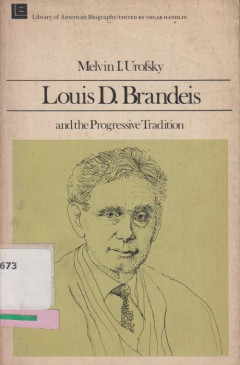
Louis D. Brandeis and the progressive tradition
This biography by Melvin I. Urofsky examines the life and judicial philosophy of Supreme Court Justice Louis D. Brandeis, one of the most influential figures in the American Progressive movement. The book explores Brandeis’s legal career, his advocacy for social and economic reform, and his lasting contributions to civil liberties, privacy rights, and democratic governance. Edited by Oscar Ha…
- Edisi
- -
- ISBN/ISSN
- 0-316-887889
- Deskripsi Fisik
- vi, 183 pages ; 19,5 cm
- Judul Seri
- -
- No. Panggil
- 347.7314092 URO l
 Karya Umum
  Filsafat
  Agama
Agama  Ilmu-ilmu Sosial
  Bahasa
  Ilmu-ilmu Murni
  Ilmu-ilmu Terapan
  Kesenian, Hiburan, dan Olahraga
  Kesusastraan
  Geografi dan Sejarah