Ditapis dengan
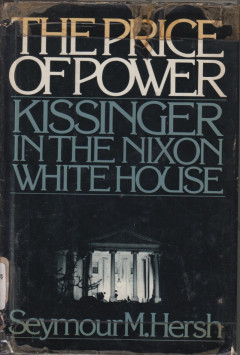
The Price of power: Kissinger in the nixon white house
The Price of Power provides a deeply investigative and critical account of Henry Kissinger’s role in shaping U.S. foreign policy during the Nixon administration. Seymour M. Hersh exposes the behind-the-scenes decision-making processes, diplomatic maneuvers, secret operations, and political struggles that defined American foreign relations from 1969 to 1974. Drawing on leaked documents, interv…
- Edisi
- -
- ISBN/ISSN
- 0-671-44760-2
- Deskripsi Fisik
- 698 pages ; 24,5 cm
- Judul Seri
- -
- No. Panggil
- 327.73 HER p

The Soviet Union and the strategy of Non-Alignment in the Third World
This book discusses the Soviet Union's foreign policy strategy towards Third World countries, with a focus on the non-aligned approach. Roy Allison analyzes how the Soviet Union utilized its relations with developing countries as a geopolitical instrument, as well as how international political dynamics influenced Soviet policy. Through theoretical analysis and historical study, this book expla…
- Edisi
- -
- ISBN/ISSN
- 0-521-35511-7
- Deskripsi Fisik
- vi, 298 pages ; 24 cm
- Judul Seri
- -
- No. Panggil
- 327.47 ALL s
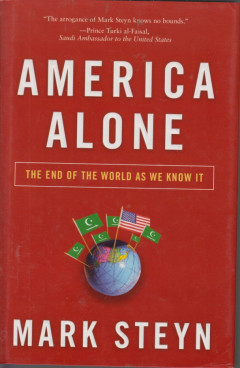
America alone: The End of the world as we know it
America Alone argues that the greatest threats to Western civilization in the 21st century do not come primarily from terrorism, but from demographic decline, cultural exhaustion, and the growing influence of radical Islam. Mark Steyn contends that Europe is undergoing a profound transformation driven by low birthrates and large-scale immigration, leading to a weakening of Western values and po…
- Edisi
- -
- ISBN/ISSN
- 978-0-89526-078-9
- Deskripsi Fisik
- xxx, 224 pages ; 24 cm
- Judul Seri
- -
- No. Panggil
- 303.483 STE a

Russia's foreign policy: Change and continuity in national identity
Wiston churchill once famously observed that the key to understanding Russia's "enigma" is its national interest.
- Edisi
- Third Edition
- ISBN/ISSN
- 978-1-4422-2001-0
- Deskripsi Fisik
- xxviii, 278 pages : index ; 24 cm
- Judul Seri
- -
- No. Panggil
- 327.471 TSY r

Diffidence and ambition: The Intellectual sources of U.S. foreign policy
Diffidence and Ambition explores the intellectual foundations that shaped U.S. foreign policy from the interwar period through World War II. Carlo Maria Santoro examines how ideas, strategic thinking, and institutional dynamics influenced America's global role, focusing on political, military, and diplomatic perspectives. Drawing from historical analysis and intellectual history, the book revea…
- Edisi
- -
- ISBN/ISSN
- 0-8133-7710-2
- Deskripsi Fisik
- xv, 316 pages ; 24 cm
- Judul Seri
- -
- No. Panggil
- 327.73 SAN d

Diplomacy of power: Soviet armed forces as a political instrument
The book Diplomacy of Power discusses how the Soviet Armed Forces were used as a political instrument in Soviet foreign policy during the 20th century. Stephen S. Kaplan and a number of other experts describe the relationship between military strategy, diplomacy, and the global goals of the Soviet Union during the Cold War era. Through historical analysis and policy studies, this book describes…
- Edisi
- -
- ISBN/ISSN
- 0-8157-4824-8
- Deskripsi Fisik
- xvi, 733 pages ; 23 cm
- Judul Seri
- -
- No. Panggil
- 327.170947 KAP d

Soviet and Chinese Influence in the Third World
This book discusses the influence of the Soviet Union and the People's Republic of China in Third World countries during the Cold War period. Alvin Z. Rubinstein analyzes the foreign policy strategies of these two communist countries and how they competed and cooperated in expanding their ideology, military influence, and diplomatic relations in Asia, Africa, and Latin America. This work also e…
- Edisi
- -
- ISBN/ISSN
- 0-275-09640-8
- Deskripsi Fisik
- ix, 231 pages ; 23,5 cm
- Judul Seri
- -
- No. Panggil
- 327.09172 RUB s
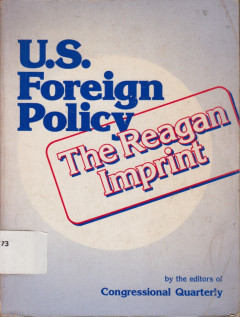
U.S. foreign policy: The Reagan imprint
U.S. Foreign Policy: The Reagan Imprint examines the direction, themes, and impact of American foreign policy during the presidency of Ronald Reagan. Published by Congressional Quarterly, this volume compiles key speeches, analyses, and policy discussions that defined the U.S. approach to international affairs in the 1980s. The book highlights major issues such as Cold War strategy, relations w…
- Edisi
- -
- ISBN/ISSN
- 0-87187-366-4
- Deskripsi Fisik
- x, 177 pages : illustrations ; 23,5 cm
- Judul Seri
- -
- No. Panggil
- 327.73 CON u
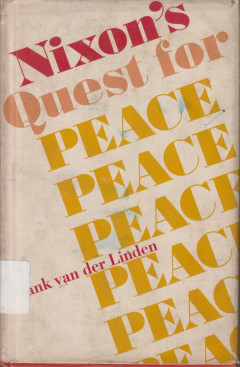
Nixon’s quest for peace
Nixon’s Quest for Peace examines President Richard Nixon’s efforts to reshape American foreign policy during the early 1970s. Frank van der Linden analyzes key diplomatic initiatives—including the opening to China, détente with the Soviet Union, and attempts to end the Vietnam War—highlighting the political challenges and international pressures that shaped Nixon’s pursuit of global …
- Edisi
- -
- ISBN/ISSN
- -
- Deskripsi Fisik
- 247 pages ; 22 cm
- Judul Seri
- -
- No. Panggil
- 327.73047 LIN n
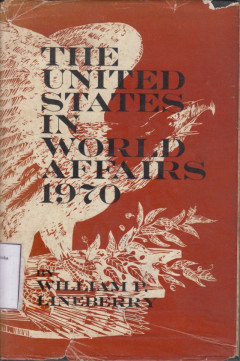
The United States in world affairs 1970
“The United States in World Affairs 1970” provides an authoritative annual review of American foreign policy developments during a critical period marked by Cold War tensions, diplomatic realignments, strategic challenges, and shifts in global power. Written under the auspices of the Council on Foreign Relations, the book analyzes major international events involving the United States throu…
- Edisi
- -
- ISBN/ISSN
- 671–21259–1
- Deskripsi Fisik
- 359 pages ; 21,5 cm
- Judul Seri
- -
- No. Panggil
- 327.73 LIN u
 Karya Umum
  Filsafat
  Agama
Agama  Ilmu-ilmu Sosial
  Bahasa
  Ilmu-ilmu Murni
  Ilmu-ilmu Terapan
  Kesenian, Hiburan, dan Olahraga
  Kesusastraan
  Geografi dan Sejarah