Ditapis dengan

United Arab Emirates: Heritage & modern development
United Arab Emirates: Heritage & Modern Development offers a comprehensive overview of the UAE’s transformation from a traditional desert society to a modern, rapidly developing nation. The book explores the country’s rich cultural heritage—its tribal traditions, Bedouin lifestyle, architecture, and maritime history—while also examining the political, economic, and social changes that f…
- Edisi
- -
- ISBN/ISSN
- 0-907151-85-x
- Deskripsi Fisik
- 110 pages : Illustrations ; 30 cm
- Judul Seri
- -
- No. Panggil
- 953.8 VIN u
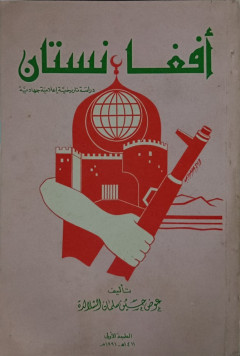
Afghanistan: A Historical, media, and jihadist study
This book presents a historical and analytical study of Afghanistan, focusing on political developments, social conditions, and the rise of jihadist movements during the late twentieth century. It examines the impact of foreign intervention, particularly the Soviet–Afghan War, and discusses the role of Islamic ideology and media in shaping public perception of the conflict. The author analyze…
- Edisi
- -
- ISBN/ISSN
- -
- Deskripsi Fisik
- 227 pages : 20 cm
- Judul Seri
- -
- No. Panggil
- 958.1 ALS a

Deterrence before hiroshima: The Airpower background of modern strategy
In Deterrence Before Hiroshima, George H. Quester offers a rigorous historical analysis of deterrence theory as it developed before the advent of nuclear weapons. He argues that strategic airpower — especially the capacity to inflict pain on civilian populations through aerial bombardment — played a central role in shaping pre-nuclear deterrence strategy.
- Edisi
- -
- ISBN/ISSN
- -
- Deskripsi Fisik
- xiii, 196 pages ; 23 cm
- Judul Seri
- -
- No. Panggil
- 940.54 QUE d
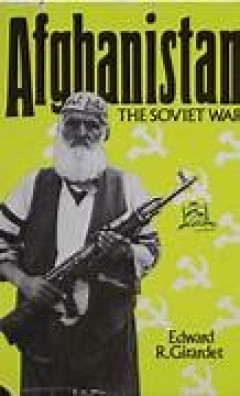
Afghanistan : The Soviet war
Afghanistan: The Soviet War provides a penetrating, first-hand account of the Soviet–Afghan conflict in the 1980s, based on the author’s multiple undercover visits to war zones and refugee areas. The narrative outlines how the Soviet military employed aggressive tactics ranging from massive air assaults to highly mobile ground operations to try to suppress the mujahideen resistance. It h…
- Edisi
- -
- ISBN/ISSN
- 0-312-00923-2
- Deskripsi Fisik
- 259 pages : ilustrations ; 21 cm
- Judul Seri
- -
- No. Panggil
- 958.1044 GIR a

War & hope: The Case for Cambodia
Prince Sihanouk makes an eloquent plea for the only hope that remains for his war-ravaged country--the convening of a multination conference on Cambodia that will restore its neutrality
- Edisi
- -
- ISBN/ISSN
- 0-394-51115-8
- Deskripsi Fisik
- xl, 166 pages : illustrations ; 22 cm
- Judul Seri
- -
- No. Panggil
- 959.604 SIH w

Jawaharlal Nehru: The Discovery of India
The Discovery of India by Jawaharlal Nehru is a profound and reflective work written during his imprisonment at Ahmadnagar Fort (1942–1945). Nehru writes about India’s vast cultural, historical, and philosophical journey — from the ancient Indus Valley civilization, through the Vedic period, all the way to the British colonial era and the rise of nationalism. He draws on texts like the Ve…
- Edisi
- -
- ISBN/ISSN
- -
- Deskripsi Fisik
- 582 pages ; 21 cm
- Judul Seri
- -
- No. Panggil
- 954.042 GAN j

Jawaharlal Nehru: The Discovery of India
This book contains a collection of 196 letters written by Jawaharlal Nehru to his daughter, Indira Gandhi, during his imprisonment from 1930–1933. Through these letters, Nehru explains world history in a broad sense, from ancient civilizations and cultural developments to political struggles and major changes in global society. Presented in a narrative and reflective style, this book provides…
- Edisi
- -
- ISBN/ISSN
- -
- Deskripsi Fisik
- 582 pages ; 21 cm
- Judul Seri
- -
- No. Panggil
- 954.042 GAN j

Jawaharlal Nehru: Glimpses of world history
Glimpses of World History is a collection of 196 letters written by Jawaharlal Nehru to his daughter, Indira Gandhi, during his imprisonment between 1930 and 1933. In these letters, Nehru narrates the story of world history—from ancient civilizations to modern political movements—presented with a philosophical and humanistic perspective. This 1982 edition, prepared under the responsibility …
- Edisi
- -
- ISBN/ISSN
- -
- Deskripsi Fisik
- xxii, 992 pages ; 21 cm
- Judul Seri
- -
- No. Panggil
- 954.042 GAN j
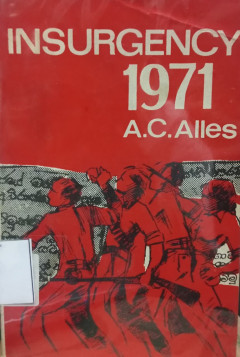
Insurgency-1971
Insurgency – 1971 by A. C. Alles provides a detailed account of the 1971 JVP insurrection in Sri Lanka, examining its origins, leadership, and ideological motivations. The book analyzes the political climate and social tensions that allowed the uprising to grow rapidly among youth. Through official records and firsthand insights, Alles describes the government’s countermeasures and the chal…
- Edisi
- -
- ISBN/ISSN
- -
- Deskripsi Fisik
- v, 296 pages : illustration ; 21 cm
- Judul Seri
- -
- No. Panggil
- 954.92 ALL i
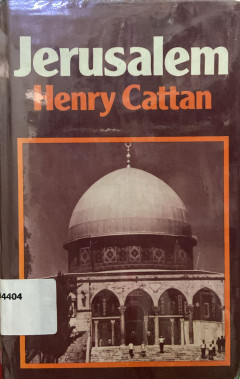
Jerusalem
Since the creation of the State of Israel in 1948, Zionism has claimed Jerusalem as its own. Home to three major religions, this holy city has long been an intensely contested site where each faith has strived to preserve its vital interests— its shrines, sanctuaries and the presence of its adherents. But it is obvious today that neither Islam nor Christianity will allow Israeli domination of…
- Edisi
- -
- ISBN/ISSN
- 0-7099-0412-6
- Deskripsi Fisik
- 229 pages; 22 cm
- Judul Seri
- -
- No. Panggil
- 956.944 CAT j
 Karya Umum
  Filsafat
  Agama
Agama  Ilmu-ilmu Sosial
  Bahasa
  Ilmu-ilmu Murni
  Ilmu-ilmu Terapan
  Kesenian, Hiburan, dan Olahraga
  Kesusastraan
  Geografi dan Sejarah