Ditapis dengan

The Politics of foreign aid: American experience in Southeast Asia
The Politics of Foreign Aid examines the political dynamics behind America's foreign aid programs in Southeast Asia during the early Cold War era. John D. Montgomery analyzes how strategic, economic, and ideological considerations shaped U.S. assistance initiatives, and how these programs influenced local political structures and development policies. This study highlights the complexities, suc…
- Edisi
- -
- ISBN/ISSN
- -
- Deskripsi Fisik
- xv, 336 pages ; 20,5 cm
- Judul Seri
- -
- No. Panggil
- 327.73 MON p

The Irony of manifest destiny: The Tragedy of America’s foreign policy
This book offers a critical examination of the evolution of American foreign policy in the modern era. William Pfaff analyzes how the longstanding ideology of “Manifest Destiny” has shaped the United States’ international actions and contributed to strategic failures and global tensions. Through historical insight and contemporary evaluation, Pfaff argues that America's pursuit of moral a…
- Edisi
- -
- ISBN/ISSN
- 978-0-8027-1699-6
- Deskripsi Fisik
- xiv, 222 pages ; 21,5 cm
- Judul Seri
- -
- No. Panggil
- 327.73 PFA i

The Frugal superpower: America’s global leadership in a cash-strapped era
The Frugal Superpower examines how the financial constraints of the early 21st century reshape the global role of the United States. Michael Mandelbaum argues that the era of expansive American international engagement—supported by ample economic resources—is ending, giving rise to a more restrained foreign policy. By analyzing geopolitical shifts, budget limitations, and global expectation…
- Edisi
- -
- ISBN/ISSN
- 978-1-58648-916-8
- Deskripsi Fisik
- ix, 213 pages : illustrations ; 22 cm
- Judul Seri
- -
- No. Panggil
- 327.73 MAN f

Southeast Asia: Problems of United States policy
This book examines the major issues faced by the United States in formulating its policy toward Southeast Asia during the early Cold War period. Edited by William Henderson, it analyzes political, economic, and security considerations that shaped American involvement in the region. Through contributions by subject-matter experts, the volume explores regional dynamics, nationalist movements, the…
- Edisi
- -
- ISBN/ISSN
- -
- Deskripsi Fisik
- xiv, 273 pages ; 21 cm
- Judul Seri
- -
- No. Panggil
- 327.59 HEN s
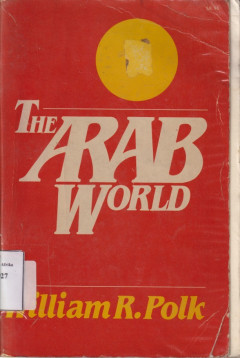
The Arab world
The Arab World by William R. Polk provides a comprehensive overview of the history, politics, and cultural foundations of the Arab region. This fourth edition expands earlier work published under the title The United States and the Arab World. Polk examines the political evolution of Arab countries, their relations with major world powers—especially the United States—and the internal and ex…
- Edisi
- -
- ISBN/ISSN
- 0-674-04317-0
- Deskripsi Fisik
- xxix, 456 pages : illustration ; 23,5 cm
- Judul Seri
- -
- No. Panggil
- 327.73017 POL a
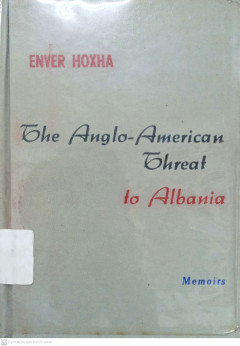
The Anglo-American threat to Albania : Memoirs of the national liberation war
The Anglo-American Threat to Albania by Enver Hoxha, First Secretary of the Central Committee of the Party of Labour of Albania, reflects events he lived through, his personal impressions, and gives conclusions, which provide lessons for all periods, drawn from the hostile activity carried out openly or behind the scenes by the Anglo Bourgeois attempts to put Albania under its imperialistic swa…
- Edisi
- -
- ISBN/ISSN
- -
- Deskripsi Fisik
- 446 pages, 20 x 14 cm
- Judul Seri
- -
- No. Panggil
- 973 HOX t

The Road to Tahrir square: Egypt and the United States from the rise of Nasse…
The Road to Tahrir Square chronicles the complex and often turbulent relationship between Egypt and the United States from the 1950s to the early 2010s. Lloyd C. Gardner traces how successive American administrations engaged with Egyptian leaders—from Gamal Abdel Nasser through Anwar Sadat to Hosni Mubarak—shaping the political trajectory of the Middle East’s most influential nation. The …
- Edisi
- -
- ISBN/ISSN
- 978-1-59558-721-3
- Deskripsi Fisik
- x, 230 pages ; 21 cm
- Judul Seri
- -
- No. Panggil
- 327.73062 GAR r
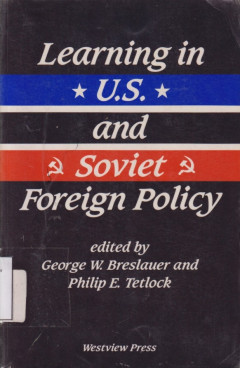
Learning in U.S. and Soviet foreign policy
This volume examines how political leaders and institutions in the United States and the Soviet Union learn from past experiences in shaping their foreign policy decisions. Through comparative case studies, the contributors analyze the cognitive, organizational, and political factors that influence learning in both superpowers during the Cold War era. The book explores how successes and failure…
- Edisi
- -
- ISBN/ISSN
- 0-8133-8264-5
- Deskripsi Fisik
- xiv, 881 pages ; 23 cm
- Judul Seri
- -
- No. Panggil
- 327.730 BRE l
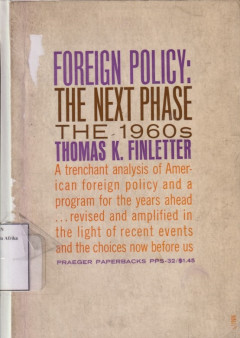
Foreign policy: The Next phase — the 1960s
This book examines the challenges and strategic choices facing United States foreign policy as the nation entered the 1960s. Finletter discusses the political, military, and economic factors shaping America’s role in the postwar world, emphasizing the need for new approaches to emerging Cold War realities. The work analyzes key issues including nuclear strategy, international alliances, and t…
- Edisi
- -
- ISBN/ISSN
- -
- Deskripsi Fisik
- 235 pages ; 20 cm
- Judul Seri
- -
- No. Panggil
- 327.73 FIN f
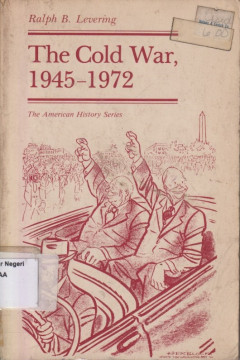
The Cold war, 1945–1972
The Cold War, 1945–1972 by Ralph B. Levering offers a concise and analytical overview of the political, diplomatic, and ideological tensions between the United States and the Soviet Union during the early decades of the Cold War. As part of The American History Series, the book provides a clear narrative covering the origins of the conflict, the development of containment policies, crises suc…
- Edisi
- -
- ISBN/ISSN
- 0-88295-811-9
- Deskripsi Fisik
- xi, 165 pages : illustrations ; 20 cm
- Judul Seri
- -
- No. Panggil
- 327.73 LEV t
 Karya Umum
  Filsafat
  Agama
Agama  Ilmu-ilmu Sosial
  Bahasa
  Ilmu-ilmu Murni
  Ilmu-ilmu Terapan
  Kesenian, Hiburan, dan Olahraga
  Kesusastraan
  Geografi dan Sejarah