Ditapis dengan
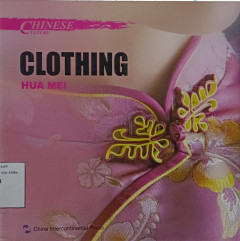
Clothing
This book provides an accessible and richly illustrated introduction to the history and evolution of Chinese clothing. It explores traditional garments, regional dress styles, materials, craftsmanship, and the cultural symbolism embedded in attire throughout various dynastic periods. Through descriptive text and vivid photographs, the book offers readers a clear understanding of how clothing re…
- Edisi
- -
- ISBN/ISSN
- 978-7-5085-2733-8
- Deskripsi Fisik
- 182 pages : illustrations ; 21 cm
- Judul Seri
- -
- No. Panggil
- 306.51 HUA c
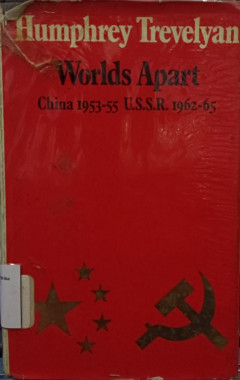
Worlds Apart : China 1953-55 U.S.S.R. 1962-65
This book examines two critical periods in the Cold War era, focusing on the divergence between the People's Republic of China (PRC) and the Soviet Union (USSR). The first part of the study delves into the period 1953–1955, when China, under the leadership of Mao Zedong, navigated its relationship with the Soviet Union after Stalin’s death, exploring the fluctuating dynamics between the two…
- Edisi
- -
- ISBN/ISSN
- 333-13023-5
- Deskripsi Fisik
- 320 pages : 22 cm
- Judul Seri
- -
- No. Panggil
- 320.5 TRE w
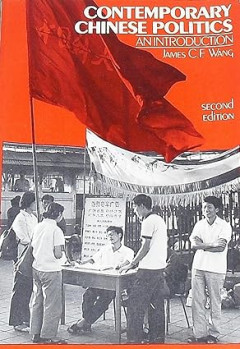
Contemporary Chinese politics: An Introduction
James C. F. Wang, in this new edition, covers the development of contemporary Chinese politics from 1949 to 1984 and provides basic information and analysis about politics today. The Second Edition includes new material such as: profiles of China's three top leaders, Deng's rise to power, new judicial procedures, Democracy wall movement, the minority problem, China's new economic policies and r…
- Edisi
- ed. 2
- ISBN/ISSN
- 0-13-169996-2
- Deskripsi Fisik
- xviii, 117 pages : illustrations (black and white) ; 23 cm
- Judul Seri
- -
- No. Panggil
- 951 WAN c
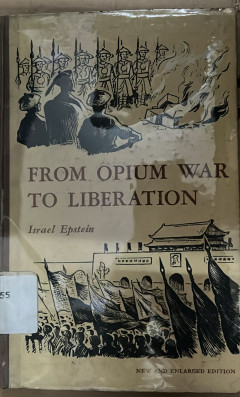
From Opium war to liberation
From Opium War to Liberation by Israel Epstein presents a broad historical overview of China's journey from the 19th century to the mid-20th century, when the country underwent a major transformation from dynastic rule to national revolution and finally liberation under the new government in 1949. Epstein outlines the destructive impact of the Opium Wars on Chinese society, including colonial i…
- Edisi
- -
- ISBN/ISSN
- -
- Deskripsi Fisik
- 223 pages ; 21 cm
- Judul Seri
- -
- No. Panggil
- 951.055 EPS f
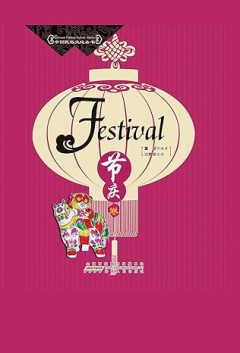
Festival
The book is one of Chinese Folklore Culture Series, which makes an intensive study of Chinese traditional festivals, the differences and characteristics of ancient and modern festival customs, in order to reveal the rich cultural connotations of Chinese traditional festival customs. It attempts to find a clue of the origin and change of Chinese traditional festival customs and showed them in an…
- Edisi
- -
- ISBN/ISSN
- 978-1921816550
- Deskripsi Fisik
- 150 pages : illustrations ; 23 cm
- Judul Seri
- -
- No. Panggil
- 394.26951 JUA f
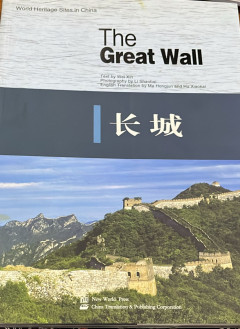
The great wall
The Wall we see today is but one tenth of the total length of the walls ever constructed over succeeding dynasties of China. The best preserved sections refer to the wall built during the Ming Dynasty (1368-1644), from Shanhaiguan in the east to Jiayuguan in the west. Approximately 5,130 km (3,188 miles) in length, the Ming Wall was built under the most difficult conditions, across some of the…
- Edisi
- -
- ISBN/ISSN
- 978-7-5104-0548-8
- Deskripsi Fisik
- 131 pages : illustrations ; 28 cm
- Judul Seri
- -
- No. Panggil
- 915.104 XIN g
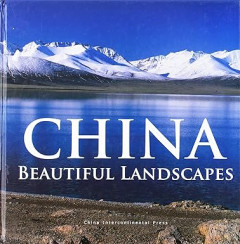
China beautiful landscapes
China is characterized by multiple climates and complex topographies. It is home to numerous famous mountain and large rivers. Some of the natural beauty of the Chinese landscape is among the most spectacular on earth. According to Chinas different characteristics in terms of topography and culture, this album divides the whole China into four main areas the northern area, the southern area, th…
- Edisi
- -
- ISBN/ISSN
- 978-7508512761
- Deskripsi Fisik
- 188 pages : illustrations ; 26 cm
- Judul Seri
- -
- No. Panggil
- 915.104 WUH c

Fun reading about China : History of China
Zhongguo Lishi (Chinese History) provides a concise and accessible overview of the historical development of China from ancient times to the modern era. Written as part of the Yuedu Zhongguo (Reading China) series, the book introduces major historical periods, key events, and the evolution of Chinese civilization, society, and customs. Presented in English, this work is intended for general rea…
- Edisi
- -
- ISBN/ISSN
- 978-7-5461-2498-8
- Deskripsi Fisik
- 116 pages : illustrations ; 20 cm
- Judul Seri
- -
- No. Panggil
- 951 SHI f
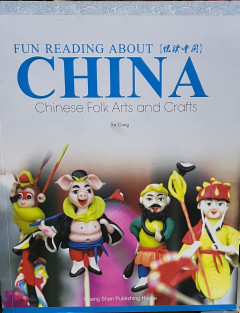
Fun reading about China: Chinese folk arts and crafts
The book Minjian Gongyi Meishu discusses the development and characteristics of Chinese folk crafts as an important part of traditional cultural heritage. Presented in the popular reading series Yuedu Zhongguo, this book describes various forms of folk crafts, including techniques, materials, social functions, and aesthetic values that have developed within society. This work emphasizes the clo…
- Edisi
- first edition
- ISBN/ISSN
- 978-7-5461-2051-5
- Deskripsi Fisik
- 102 pages : illustrations ; 20 cm
- Judul Seri
- -
- No. Panggil
- 745.0951 GAN f
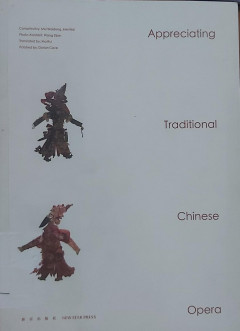
Appreciating traditional Chinese opera
Appreciating Traditional Chinese Opera provides an accessible introduction to the rich heritage of traditional Chinese opera. The book explores the historical development, artistic characteristics, performance styles, costumes, music, and symbolic aesthetics of various Chinese opera forms. Through visual illustrations and explanatory text, it helps readers understand the cultural significance o…
- Edisi
- -
- ISBN/ISSN
- 978-7-5133-0686-7
- Deskripsi Fisik
- 299 pages : illustrations ; 23 cm
- Judul Seri
- -
- No. Panggil
- 792.0951 WEI a
 Karya Umum
 Filsafat
 Agama
 Ilmu-ilmu Sosial
 Bahasa
 Ilmu-ilmu Murni
 Ilmu-ilmu Terapan
 Kesenian, Hiburan, dan Olahraga
 Kesusastraan
 Geografi dan Sejarah