Ditapis dengan
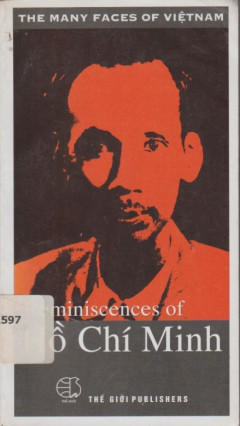
Reminiscences of Hồ Chí Minh
Reminiscences of Hồ Chí Minh presents a collection of personal stories and memories narrated by Hồ Chí Minh’s closest assistants, colleagues, and staff. The book reveals intimate and lesser-known aspects of Hồ Chí Minh’s personality, leadership style, moral character, and daily life during the years of revolutionary struggle. Through firsthand accounts, readers gain insight into hi…
- Edisi
- -
- ISBN/ISSN
- -
- Deskripsi Fisik
- vi, 347 pages : illustration ; 20 cm
- Judul Seri
- -
- No. Panggil
- 959.704092 TIM r
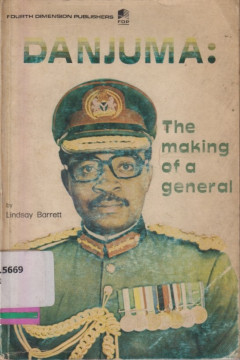
Danjuma: The Making of a general
This book presents the life story and rise of General Theophilus Yakubu Danjuma, one of Nigeria’s most influential military figures. Written by journalist and author Lindsay Barrett, the biography explores Danjuma’s early life, military career, and his pivotal role in key political events in Nigeria, including the civil war and the restructuring of the nation’s armed forces. Through inter…
- Edisi
- -
- ISBN/ISSN
- 978-0819
- Deskripsi Fisik
- vii, 125 pages : illustration ; 21 cm
- Judul Seri
- -
- No. Panggil
- 923.5669 BAR d
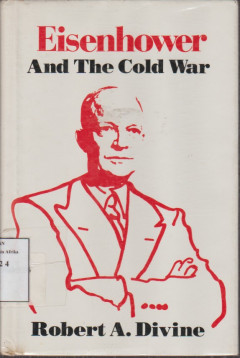
Eisenhower and the cold war
Robert A. Divine's Eisenhower and the Cold War explores President Dwight D. Eisenhower's foreign policy during the Cold War (1953–1961). Divine demonstrates that Eisenhower, despite his cautious approach, played a crucial role in shaping the United States' global strategy through his policies of containing communism, strengthening international alliances, and using nuclear power as a deterren…
- Edisi
- -
- ISBN/ISSN
- 0-19-502823-6
- Deskripsi Fisik
- ix, 181 pages ; 22 cm
- Judul Seri
- -
- No. Panggil
- 327.73 DIV e
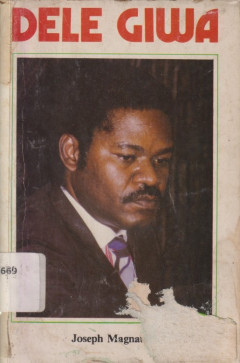
Dele giwa
This book presents a biographical tribute to Dele Giwa, one of Nigeria’s most influential investigative journalists and a steadfast advocate of truth and justice. Written by Joseph Magnate, the work honors Giwa’s integrity, courage, and dedication to ethical journalism. Through poetic reflection and commemorative prose, the author portrays Giwa as a man who remained sincere in action, faith…
- Edisi
- -
- ISBN/ISSN
- 978–30300–0–0
- Deskripsi Fisik
- 190 pages : illustrations ; 20 cm
- Judul Seri
- -
- No. Panggil
- 070.92 MAG d
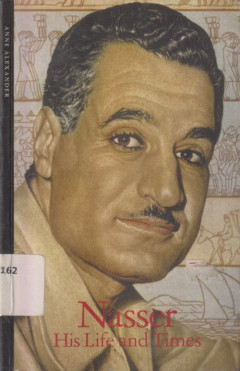
Nasser: His life and times
Nasser: His Life and Times provides a concise and insightful biography of Gamal Abdel Nasser, one of the most influential leaders of the modern Middle East. Anne Alexander explores Nasser’s early life, rise to power through the Free Officers Movement, and his central role in shaping Egypt’s post-colonial identity. The book examines key events such as the 1952 Revolution, the Suez Crisis, th…
- Edisi
- -
- ISBN/ISSN
- 977-424-888-0
- Deskripsi Fisik
- 186 pages : illustration ; 20 cm
- Judul Seri
- -
- No. Panggil
- 962.054092 ALE n

Memories of Hồ Chí Minh: Stories from his assistants
Memories of Hồ Chí Minh: Stories from His Assistants compiles personal recollections and eyewitness accounts from individuals who worked closely with President Hồ Chí Minh throughout his revolutionary career. These stories reveal intimate details about his personality, leadership style, daily habits, and his interactions with staff and comrades. The book provides a humanizing perspective …
- Edisi
- -
- ISBN/ISSN
- -
- Deskripsi Fisik
- 156 pages : illustration ; 20 cm
- Judul Seri
- -
- No. Panggil
- 959.704092 TIM m
Profiles of African leaders
Thomas Patrick Melady's "Profiles of African Leaders" presents brief biographies and analyses of several influential African leaders during the continent's early independence. Using a political history approach, the book describes the backgrounds, struggles, ideas, and contributions of these figures in shaping the development of modern African nations. This work serves as an important reference…
- Edisi
- -
- ISBN/ISSN
- -
- Deskripsi Fisik
- viii, 186 pages ; 21,5 cm
- Judul Seri
- -
- No. Panggil
- 920.96 MEL p
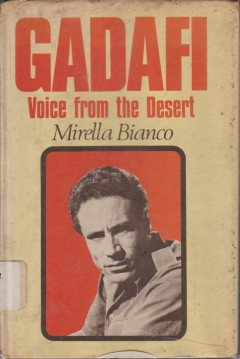
Gadafi: Voice from the desert
Gadafi: Voice from the Desert presents an insightful biographical account of Muammar Gaddafi, tracing his early life, ideological development, and rise to power in Libya. Originally written in French and later translated into English, the book explores the cultural, political, and historical context that shaped Gaddafi’s revolutionary aspirations. Mirella Bianco provides a narrative that blen…
- Edisi
- First published
- ISBN/ISSN
- 0-582-78062-4
- Deskripsi Fisik
- xi, 197 pages ; 21 cm
- Judul Seri
- -
- No. Panggil
- 961.205 MIR g
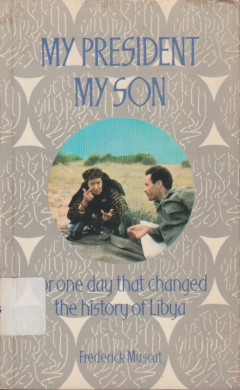
My President, My Son
My President, My Son is a biographical narrative written by Frederick Muscat that explores the early life, family background, and rise of Libya’s leader Muammar al-Qaddafi. The book provides personal insights into Qaddafi’s relationship with his mother, Aisha, whose influence shaped his character and political convictions. Presented from an intimate perspective, the work portrays the social…
- Edisi
- Revised edition
- ISBN/ISSN
- -
- Deskripsi Fisik
- 188 pages : illustration ; 21,5 cm
- Judul Seri
- -
- No. Panggil
- 963.1053092 FRE m
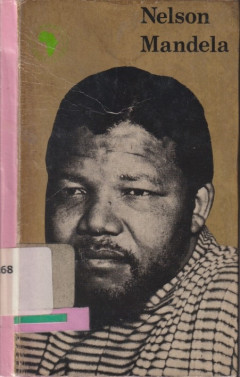
Nelson Mandela
Mary Benson's Nelson Mandela is a concise biography that chronicles Mandela's life from his childhood in the Transkei to his involvement in the struggle against apartheid. Written as part of the Panaf Great Lives series, it provides a clear overview of Mandela's family background, education, political activities, and pivotal role in the African National Congress (ANC). Coupled with the socio-po…
- Edisi
- -
- ISBN/ISSN
- 0-901787-17-5
- Deskripsi Fisik
- 192 pages : illustration ; 18 cm
- Judul Seri
- -
- No. Panggil
- 923.26 BEN n
 Karya Umum
  Filsafat
  Agama
Agama  Ilmu-ilmu Sosial
  Bahasa
  Ilmu-ilmu Murni
  Ilmu-ilmu Terapan
  Kesenian, Hiburan, dan Olahraga
  Kesusastraan
  Geografi dan Sejarah