Ditapis dengan

China's world: The Foreign policy of a developing state
This book analyzes the foreign policy of the People’s Republic of China from the perspective of a developing state. It examines China’s diplomatic behavior, international objectives, and strategic responses within the global political system during the Cold War era. Emphasizing economic limitations, ideological considerations, and national interests, the study provides insight into how Chin…
- Edisi
- -
- ISBN/ISSN
- 0-231-03511-X
- Deskripsi Fisik
- ix, 260 pages ; 22 cm
- Judul Seri
- -
- No. Panggil
- 327.51 SIM c
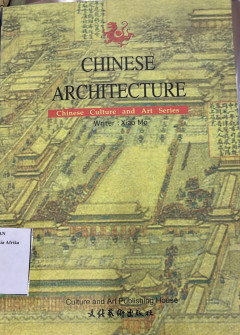
Chinese architecture: Chinese culture and art series
This book provides an overview of the historical development, structural principles, and cultural significance of Chinese architecture. It discusses traditional architectural forms, construction techniques, spatial concepts, and aesthetic values that characterize buildings in China from ancient times to the late imperial period. The work emphasizes the relationship between architecture, philoso…
- Edisi
- First edition
- ISBN/ISSN
- 7-5039-1828-4
- Deskripsi Fisik
- 208 pages : illustration ; 20 cm
- Judul Seri
- -
- No. Panggil
- 720.951 XIA c
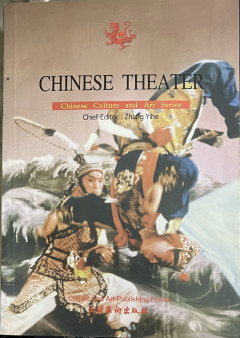
Chinese theater: Chinese culture and art series
hinese Theater is a volume in the Chinese Culture and Art Series that introduces the historical development and artistic features of Chinese theatre. The book discusses major theatrical forms, performance traditions, and aesthetic principles, including classical opera and modern stage practices. It highlights the cultural and social significance of theatre in Chinese society and presents Chines…
- Edisi
- -
- ISBN/ISSN
- -
- Deskripsi Fisik
- 184 pages : illustrations ; 20 cm
- Judul Seri
- -
- No. Panggil
- 792.50951 YIH c
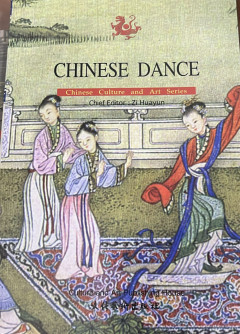
Chinese dance: Chinese culture and art series
Chinese Dance is a volume in the Chinese Culture and Art Series that introduces the historical development, artistic characteristics, and cultural significance of dance in China. The book discusses major forms of Chinese dance, including traditional folk dances and modern theatrical dance, and examines their aesthetic principles, performance styles, and social functions. Written for an internat…
- Edisi
- -
- ISBN/ISSN
- 7-5039-1829-2
- Deskripsi Fisik
- 180 pages : illustrations ; 20 cm
- Judul Seri
- -
- No. Panggil
- 792.80951 HUA c
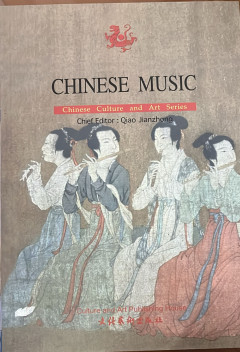
Chinese music : Chinese culture and art series
Chinese Music is part of the Chinese Culture and Art Series and provides an introduction to the historical development, characteristics, and cultural significance of music in China. The book explores traditional musical forms, instruments, and aesthetic principles that have evolved through thousands of years of Chinese civilization. Written for an international readership, this volume presents …
- Edisi
- -
- ISBN/ISSN
- 7-5039-1830-6
- Deskripsi Fisik
- 180 pages : illustrations ; 20 cm
- Judul Seri
- -
- No. Panggil
- 780.951 JIA c
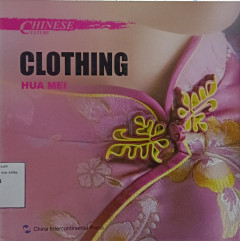
Clothing
This book provides an accessible and richly illustrated introduction to the history and evolution of Chinese clothing. It explores traditional garments, regional dress styles, materials, craftsmanship, and the cultural symbolism embedded in attire throughout various dynastic periods. Through descriptive text and vivid photographs, the book offers readers a clear understanding of how clothing re…
- Edisi
- -
- ISBN/ISSN
- 978-7-5085-2733-8
- Deskripsi Fisik
- 182 pages : illustrations ; 21 cm
- Judul Seri
- -
- No. Panggil
- 306.51 HUA c
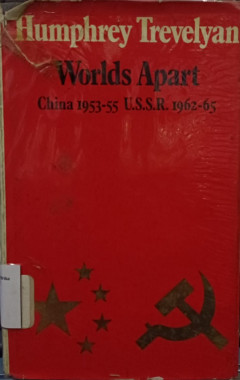
Worlds Apart : China 1953-55 U.S.S.R. 1962-65
This book examines two critical periods in the Cold War era, focusing on the divergence between the People's Republic of China (PRC) and the Soviet Union (USSR). The first part of the study delves into the period 1953–1955, when China, under the leadership of Mao Zedong, navigated its relationship with the Soviet Union after Stalin’s death, exploring the fluctuating dynamics between the two…
- Edisi
- -
- ISBN/ISSN
- 333-13023-5
- Deskripsi Fisik
- 320 pages : 22 cm
- Judul Seri
- -
- No. Panggil
- 320.5 TRE w
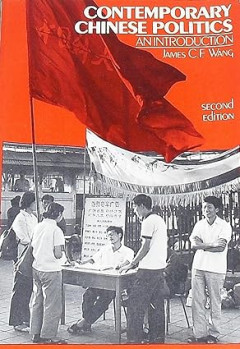
Contemporary Chinese politics: An Introduction
James C. F. Wang, in this new edition, covers the development of contemporary Chinese politics from 1949 to 1984 and provides basic information and analysis about politics today. The Second Edition includes new material such as: profiles of China's three top leaders, Deng's rise to power, new judicial procedures, Democracy wall movement, the minority problem, China's new economic policies and r…
- Edisi
- ed. 2
- ISBN/ISSN
- 0-13-169996-2
- Deskripsi Fisik
- xviii, 117 pages : illustrations (black and white) ; 23 cm
- Judul Seri
- -
- No. Panggil
- 951 WAN c
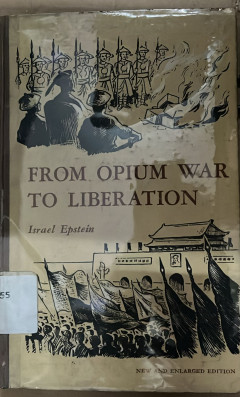
From Opium war to liberation
From Opium War to Liberation by Israel Epstein presents a broad historical overview of China's journey from the 19th century to the mid-20th century, when the country underwent a major transformation from dynastic rule to national revolution and finally liberation under the new government in 1949. Epstein outlines the destructive impact of the Opium Wars on Chinese society, including colonial i…
- Edisi
- -
- ISBN/ISSN
- -
- Deskripsi Fisik
- 223 pages ; 21 cm
- Judul Seri
- -
- No. Panggil
- 951.055 EPS f
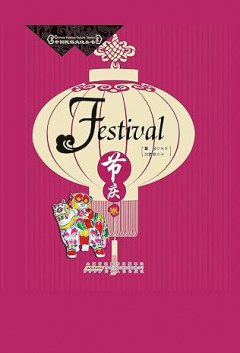
Festival
The book is one of Chinese Folklore Culture Series, which makes an intensive study of Chinese traditional festivals, the differences and characteristics of ancient and modern festival customs, in order to reveal the rich cultural connotations of Chinese traditional festival customs. It attempts to find a clue of the origin and change of Chinese traditional festival customs and showed them in an…
- Edisi
- -
- ISBN/ISSN
- 978-1921816550
- Deskripsi Fisik
- 150 pages : illustrations ; 23 cm
- Judul Seri
- -
- No. Panggil
- 394.26951 JUA f
 Karya Umum
  Filsafat
  Agama
Agama  Ilmu-ilmu Sosial
  Bahasa
  Ilmu-ilmu Murni
  Ilmu-ilmu Terapan
  Kesenian, Hiburan, dan Olahraga
  Kesusastraan
  Geografi dan Sejarah