Ditapis dengan
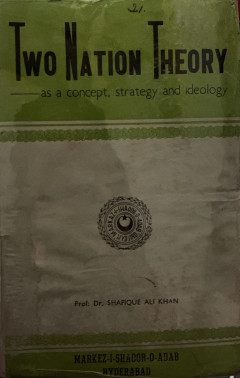
Two nation theory: As a concept, strategy and ideology
Shafique Ali Khan's Two-Nation Theory: As Concept, Strategy, and Ideology is a comprehensive and scholarly study of one of the most influential ideas behind the partition of India in 1947. Khan examines the "Two-Nation Theory" not as a mere historical accident, but as a well-developed ideological construct, a political strategy, and a concept rooted in religion and nationalism. He traces its or…
- Edisi
- -
- ISBN/ISSN
- -
- Deskripsi Fisik
- xi, 976 pages ; 22 cm
- Judul Seri
- -
- No. Panggil
- 954.0296 KHA t
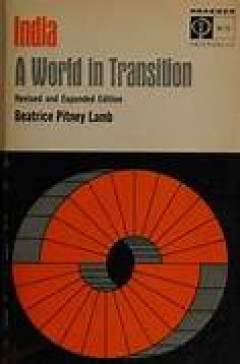
India: A World in transition
India: A World in Transition by Beatrice Pitney Lamb is a comprehensive analysis of contemporary India (at the time of publication), examining how India's traditions, politics, and social structures are undergoing profound change. Lamb presents a comprehensive overview of India's long history while highlighting post-independence challenges such as social reform, education, language, and economi…
- Edisi
- 3
- ISBN/ISSN
- -
- Deskripsi Fisik
- xii, 428 pages : illustrations ; 20,2 cm
- Judul Seri
- -
- No. Panggil
- 954 LAM i

The Nehrus and the Gandhis an Indian dynasty
Ali examines how this family came to dominate Indian politics, shaping the nation’s post-independence identity, ideologies, and electoral culture. He also analyzes the interplay of personal relationships, power, and ideology — including the conflicts, ambition, and charismatic leadership that defined this political lineage. The book is both historical and analytical, offering insight into t…
- Edisi
- -
- ISBN/ISSN
- 0 330 28985 3
- Deskripsi Fisik
- 301 pages : illustrations ; 19,5 cm
- Judul Seri
- -
- No. Panggil
- 954.042 ALI n
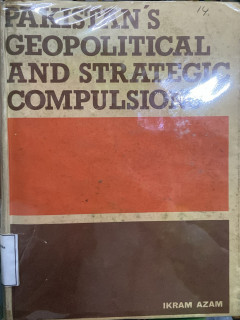
Pakistan's geopolitical and strategic compulsions
Pakistan’s Geopolitical and Strategic Compulsions is an in-depth analysis of the geopolitical and strategic factors shaping Pakistan’s foreign policy and defense direction in the modern era. Ikram Azam outlines Pakistan’s strategic geographic location—bordering major regional and global powers—and how this position creates complex strategic challenges and needs. Through historical, po…
- Edisi
- -
- ISBN/ISSN
- -
- Deskripsi Fisik
- x, 443 pages; 25 cm
- Judul Seri
- -
- No. Panggil
- 320.125491 AZA p
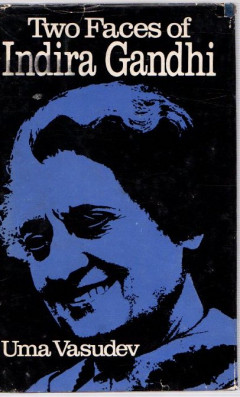
Two faces of Indira Gandhi
Dua Wajah Indira Gandhi karya Uma Vasudev merupakan catatan kritis dan tajam tentang gaya kepemimpinan, manuver politik, dan dualitas persona publik Indira Gandhi. Vasudev mengkaji bagaimana Indira bergerak antara menjadi pemimpin demokratis yang menghargai partisipasi massa dan sosok yang semakin otoriter yang ingin memusatkan kekuasaan. Melalui analisis politik yang detail dan observasi dari …
- Edisi
- -
- ISBN/ISSN
- 0 7069 0576 0
- Deskripsi Fisik
- vi, 208 pages ; 22 cm
- Judul Seri
- -
- No. Panggil
- 954.0450924 VAS t
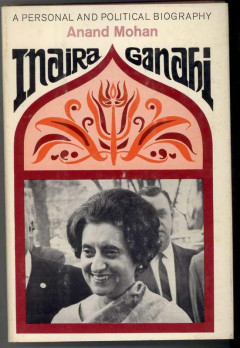
Indira Gandhi: A Personal and political biography
Indira Gandhi: A Personal and Political Biography by Anand Mohan offers an in-depth portrait of one of India’s most influential leaders. The book traces Indira Gandhi’s early life, her upbringing in the Nehru political dynasty, and the personal experiences that shaped her character. It examines her rise to political prominence, her role within the Indian National Congress, and the challenge…
- Edisi
- -
- ISBN/ISSN
- -
- Deskripsi Fisik
- ix, 303 pages : illustrations ; 21,5 cm
- Judul Seri
- -
- No. Panggil
- 954.045 MOH i
Pembinaan Pakistan
Buku Pembinaan Pakistan karya Richard Symonds membahas secara mendalam proses pembangunan politik, sosial, dan ekonomi Pakistan pada periode awal setelah berdirinya negara tersebut pada tahun 1947. Melalui pengalaman langsung penulis sebagai pengamat dan praktisi dalam berbagai program internasional, buku ini menggambarkan tantangan besar yang dihadapi Pakistan, termasuk penataan administrasi p…
- Edisi
- -
- ISBN/ISSN
- -
- Deskripsi Fisik
- 291 halaman: ilustrasi; 20 cm
- Judul Seri
- -
- No. Panggil
- 327.549548 SYM p
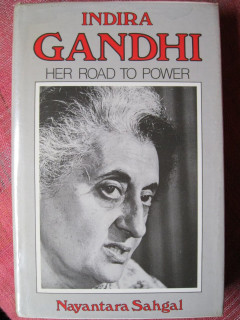
Indira Gandhi: Her road to power
Indira Gandhi: Her Road to Power by Nayantara Sahgal provides a critical and insightful biography of Indira Gandhi, focusing on her political emergence and ascent to power. Drawing on her personal knowledge (she is a cousin of Gandhi) and political observation, Sahgal analyzes how Indira navigated the Nehru-era political structures, asserting her leadership during turbulent times. The book incl…
- Edisi
- -
- ISBN/ISSN
- 0 356 09166 X
- Deskripsi Fisik
- xv, 260 pages : illustrations ; 23,5 cm
- Judul Seri
- -
- No. Panggil
- 954.0450924 SAH i
Afghanistan: A Historical, media, and jihadist study
This book presents a historical and analytical study of Afghanistan, focusing on political developments, social conditions, and the rise of jihadist movements during the late twentieth century. It examines the impact of foreign intervention, particularly the Soviet–Afghan War, and discusses the role of Islamic ideology and media in shaping public perception of the conflict. The author analyze…
- Edisi
- -
- ISBN/ISSN
- -
- Deskripsi Fisik
- 227 pages : 20 cm
- Judul Seri
- -
- No. Panggil
- 958.1 ALS a
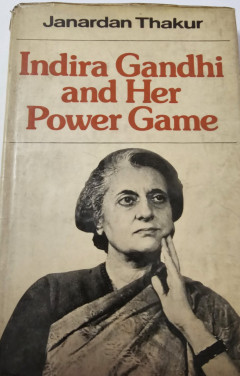
Indira Gandhi and her power game
Indira Gandhi and Her Power Game by Janardan Thakur offers a critical analysis of Indira Gandhi’s political career, focusing on her style of governance, power maneuvers, and the strategies she employed to consolidate strength within the Indian National Congress and the Indian government. Thakur examines her rise to power, her methods of political control, her relationships with party insiders…
- Edisi
- -
- ISBN/ISSN
- 0-7069-0985-2
- Deskripsi Fisik
- 165 pages : illustrations ; 22 cm
- Judul Seri
- -
- No. Panggil
- 954.045 THA i
 Karya Umum
  Filsafat
  Agama
Agama  Ilmu-ilmu Sosial
  Bahasa
  Ilmu-ilmu Murni
  Ilmu-ilmu Terapan
  Kesenian, Hiburan, dan Olahraga
  Kesusastraan
  Geografi dan Sejarah