Ditapis dengan

The World that made mandela: A Heritage trail
The World That Made Mandela is a visual and historical documentation of the significant places that shaped Nelson Mandela's life. Written by historian Luli Callinicos, the book presents a "heritage trail" that traces the social, cultural, and political environments that influenced Mandela from childhood through the anti-apartheid struggle. Through photographs, maps, and historical narratives, t…
- Edisi
- -
- ISBN/ISSN
- 1-919855-01-7
- Deskripsi Fisik
- 338 pages : illustration ; 29 cm
- Judul Seri
- -
- No. Panggil
- 968.06092 CAL w

Council of the elders: A Tribute to the veterans of the South African liberat…
Council of the Elders is a visual and documentary work that pays tribute to the veterans of South Africa's liberation struggle. Edited by Firdose Bulbulia and Faith Isiakpere, the book presents photographs, short biographies, and narratives documenting the contributions of those involved in the anti-apartheid struggle. Through a pictorial and narrative approach, the work highlights the long his…
- Edisi
- -
- ISBN/ISSN
- 978-3-3665-7-2
- Deskripsi Fisik
- illustration ; 30 cm
- Judul Seri
- -
- No. Panggil
- 968.06 BUL c

The New Zealand wars: A History of the Maori campaigns and the pioneering per…
This second volume continues James Cowan’s comprehensive history of the New Zealand Wars, focusing on the Hauhau movement and the conflicts that occurred between 1864 and 1872. It examines the rise of Pai Mārire religious militancy, major battles, key leaders, and the tensions between Maori communities and colonial forces. Through detailed narratives and firsthand accounts, the book document…
- Edisi
- 2
- ISBN/ISSN
- 0-477-01230-2
- Deskripsi Fisik
- xx, 633 pages : illustration ; 22,5 cm
- Judul Seri
- -
- No. Panggil
- 993.02 COW n

Flying with pride: The Story of the South Arican flag
Flying With Pride explains the history, development, and symbolic meaning of the South African national flag. Written by Denis Beckett, it details the creative and political process behind the design of the new post-apartheid flag, including its symbolism of the values of unity within South Africa's diverse society. In addition to the historical narrative, the book includes technical info…
- Edisi
- -
- ISBN/ISSN
- 0-620-28903-1
- Deskripsi Fisik
- 161 pages : illustration ; 28,5 cm
- Judul Seri
- -
- No. Panggil
- 929.920968 BEC f
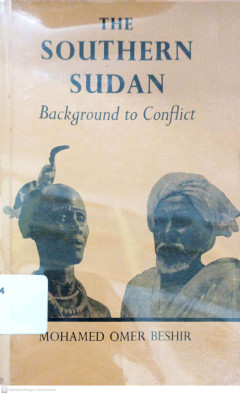
The Southern Sudan: Background to conflict
This book provides a historical and analytical account of the roots of the conflict between Southern and Northern Sudan. Mohamed Omer Beshir traces the origins of regional inequality to the Anglo-Egyptian colonial administration, exploring how policies in education, governance, and economic development created structural imbalances that shaped later political tensions. The study analyzes the ri…
- Edisi
- -
- ISBN/ISSN
- -
- Deskripsi Fisik
- xiii, 192 pages : illustration ; 22 cm
- Judul Seri
- -
- No. Panggil
- 962.4 BES s

Morocco: Land of promise the spirit of a king and a people
Morocco: Land of Promise is a collective work by a group of Moroccan academics, historians, diplomats, and government figures to depict the nation's journey to building a modern state. The book highlights the relationship between the king and his subjects as the foundation of national stability, and outlines Morocco's political, social, and economic achievements since independence. Through his…
- Edisi
- -
- ISBN/ISSN
- -
- Deskripsi Fisik
- 321 pages : illustration ; 34 cm
- Judul Seri
- -
- No. Panggil
- 964.5 DRI m

The New Zealand wars: A History of the Maori campaigns and the pioneering period
This volume presents a detailed historical account of the New Zealand Wars, focusing on the Maori military campaigns and the pioneering period between 1845 and 1864. James Cowan documents major conflicts, key figures, and the broader colonial context that shaped the struggles between Maori communities and European settlers. Combining narrative history with cultural insight, the book offers an e…
- Edisi
- -
- ISBN/ISSN
- 0-477-01230-2
- Deskripsi Fisik
- xxviii, 466 pages : illustration ; 22,5 cm
- Judul Seri
- -
- No. Panggil
- 993.02 COW n

The Mahdiya a history of the Anglo-Egyptian Sudan, 1881-1899
This book provides a detailed historical account of the Mahdīya, the Islamic revivalist movement led by Muhammad Ahmad al-Mahdi in Sudan between 1881 and 1899. A. B. Theobald examines the origins, development, and consequences of the Mahdist state, analyzing its political, military, and religious foundations. The study explores the decline of Turco-Egyptian rule, the rise of nationalist sentim…
- Edisi
- cet.1
- ISBN/ISSN
- -
- Deskripsi Fisik
- ix, 273 pages : illustration ; 22 cm
- Judul Seri
- -
- No. Panggil
- 962.04 THE m
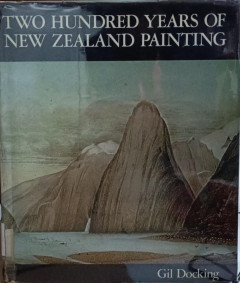
Two hundred years of New Zealand painting
This comprehensive volume traces two centuries of New Zealand painting, documenting the evolution of artistic styles, themes, and cultural influences from the early colonial period to the modern era. Gil Docking examines the works of significant artists, the development of national artistic identity, and the changing social context that shaped New Zealand’s visual arts. Richly illustrated and…
- Edisi
- -
- ISBN/ISSN
- 0-589-004-263
- Deskripsi Fisik
- 212 pages : illustration ; 31 cm
- Judul Seri
- -
- No. Panggil
- 759.993 DOC t
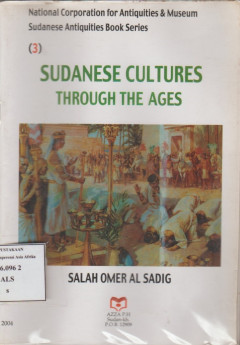
Sudanese cultures through the ages
This book presents a comprehensive overview of Sudanese civilizations from prehistoric times to the modern era. Drawing upon archaeological findings, historical records, and cultural studies, the author traces the development of Sudanese societies across the Nile Valley, Eastern Desert, and savannah regions. The work highlights the rise of major ancient kingdoms such as Kerma, Kush, Meroe, and …
- Edisi
- -
- ISBN/ISSN
- -
- Deskripsi Fisik
- 25 pages : illustration ; 24 cm
- Judul Seri
- -
- No. Panggil
- 960.12 SAD s
 Karya Umum
  Filsafat
  Agama
Agama  Ilmu-ilmu Sosial
  Bahasa
  Ilmu-ilmu Murni
  Ilmu-ilmu Terapan
  Kesenian, Hiburan, dan Olahraga
  Kesusastraan
  Geografi dan Sejarah