Ditapis dengan

The very best men : Four who dared : The early years of the CIA
Thomas has drawn on his original research in CIA archives and interviews with scores of old agency hands to evoke the urgency and uncertainty, as well as the giddiness, of the shadow wars of the 1950s and early 1960s when the country, with reason, felt itself in danger from Soviet-led Communist aggression. Frank Wisner, Richard Bissell, Tracy Barnes, and Desmond FitzGerald embodied the confiden…
- Edisi
- -
- ISBN/ISSN
- 0-684-81025-5
- Deskripsi Fisik
- 427 pages : index, illustrations ; 24 cm
- Judul Seri
- -
- No. Panggil
- 327.12730922 Tho v

The art of intelligence : Lessons from a life in the CIA's clandestine service
A counterterrorism spy describes his leadership of the campaign that routed al Qaeda and the Taliban in the weeks after the September 11 attacks, offering insight into the ways in which the Afghanistan campaign changed American warfare
- Edisi
- -
- ISBN/ISSN
- 978-1-59420-334-3
- Deskripsi Fisik
- 338 pages : index ; 25 cm
- Judul Seri
- -
- No. Panggil
- 327.12730092 Cru a

Membongkar kegagalan CIA : spionase amatiran sebuah negara adidaya
Dinas intelijen terbesar di dunia ini melakukan blunder paling parah dalam sejarah panjang spionase berbohong tentang eksistensi senjata nuklir Irak, yang menjadi basis pengambilan keputusan politik paling keliru dalam sejarah kepresidenan AS, yakni menyerbu Irak sekaligus menumbangkan Presiden Saddam Hussein. Setelah pendudukan di Irak, terbongkar lagi skandal-skandal yang mencoreng wajah AS s…
- Edisi
- Cet.3
- ISBN/ISSN
- 978-979-22-3782-5
- Deskripsi Fisik
- xxiv, 832 halaman ; 24 cm
- Judul Seri
- -
- No. Panggil
- 327.1273 Wei m
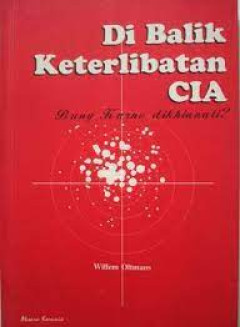
Di balik keterlibatan CIA : Bung Karno dikhianati?
Willem Oltmans menulis bahwa CIA memerankan bagian yang dominan dalam tragedi Gestapu 1965, dengan menggunakan tangan (Angkatan Darat/Bersenjata) militer Indonesia sendiri. Untuk itu, kehadiran buku ini merupakan sumber informasi terbaru yang selama ini tidak pernah disebutkan dalam penulisan buku sejarah Indonesia, dan diharapkan dapat menguak tabir yang selama ini dibungkam atau sengaja dipen…
- Edisi
- Cet.1
- ISBN/ISSN
- 979-96496-2-5
- Deskripsi Fisik
- xi, 276 halaman ; 21 cm
- Judul Seri
- -
- No. Panggil
- 327.1273 Olt d

Legacy of ashes: The history of the CIA
With shocking revelations that made headlines in papers across the country, Pulitzer-Prize-winner Tim Weiner gets at the truth behind the CIA and uncovers here why nearly every CIA Director has left the agency in worse shape than when he found it; and how these profound failures jeopardize our national security.
- Edisi
- Ed. 1
- ISBN/ISSN
- 978-0-307-38900-8
- Deskripsi Fisik
- xxii, 812 pages : index ; 20 cm
- Judul Seri
- -
- No. Panggil
- 327.127 Wei l

Cold warrior: James Jesus Angleton: The CIA's master spy hunter
James Jesus Angleton's involvement with some of the most notorious counterespionage events
- Edisi
- -
- ISBN/ISSN
- 0-671-77880-3
- Deskripsi Fisik
- 462 pages : illustrations : bibl: hlm 437-446 : index ; 25 cm
- Judul Seri
- -
- No. Panggil
- 327.12092 Man c

Global intelligence: The world's secret services today
This book explains how the war on terrorism povides a wholly new context for the murky world that secret services and intelligence agencies operate in. This book describes in detail how ultra-modern new technologies have vastly increased their power to spy abroad and eavesdrop at home.
- Edisi
- First Published
- ISBN/ISSN
- 1842771132
- Deskripsi Fisik
- xi, 240 pages : index ; 20 cm
- Judul Seri
- -
- No. Panggil
- 327.12 Tod g

45 tokoh spion terbesar di dunia
Buku ini memberi gambaran terinci mengenai orang-orang yang telah memainkan peran dalam kegiatan spionase
- Edisi
- -
- ISBN/ISSN
- -
- Deskripsi Fisik
- vi, 329 halaman ; 23 cm
- Judul Seri
- -
- No. Panggil
- 327.12 Sya t
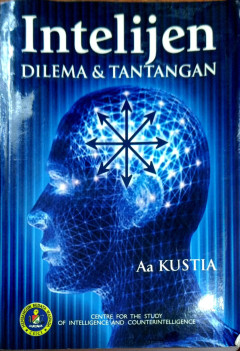
Intelijen: Dilema dan tantangan
Posisi dilematis intelijen pernah digambarkan oleh Presiden J.F.Kennedy di Langley-Virginia pada tahun 1961 ketika meresmikan Markas Besar CIA dengan mengatakan, "keberhasilanmu tidak akan digembar-gemborkan, tetapi kegagalanmu akan disebarluaskan". Pernyataan ini banyak mengandung kebenaran dan kita dapat menyaksikan dari berbagai peristiwa besar, intelijen pasti yang pertama disalahkan dan me…
- Edisi
- Cet.1
- ISBN/ISSN
- -
- Deskripsi Fisik
- xii, 234 halaman ; 21 cm
- Judul Seri
- -
- No. Panggil
- 355 Suk i
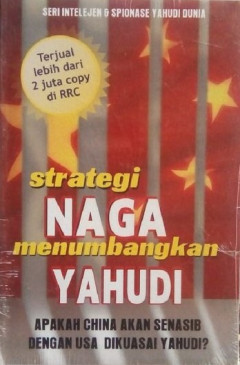
Strategi naga menumbangkan Yahudi
Buku ini terdiri dari 5, dimana Bab 1 tentang peperangan mata uang yang tidak dideklarasikan, Bab II tentang lubang kematian dollar AS dan jurus emas, bab III tentang Zaman MOU I, Bab IV tentang zaman MOU, Bab V tentang pertempuran mata uang secara tertutup menekan cina, Bab VI tentang perang mata uang, Bab VII tentang mengatasi globalisasi.
- Edisi
- Cetakan Pertama
- ISBN/ISSN
- 978-6028-04246-8
- Deskripsi Fisik
- 171 halaman : illustrasi ; 21 cm
- Judul Seri
- -
- No. Panggil
- 327.12 Jun s
 Karya Umum
  Filsafat
  Agama
Agama  Ilmu-ilmu Sosial
  Bahasa
  Ilmu-ilmu Murni
  Ilmu-ilmu Terapan
  Kesenian, Hiburan, dan Olahraga
  Kesusastraan
  Geografi dan Sejarah