Ditapis dengan

Indonesia accuses!: Soekarno's defence oration in the political trial of 1930
Despite his many faults, the late Pre- sident Sukarno of Indonesia was one of the great leaders of this century and his book Indonesia: Accuses! (which now appears in English for the first time) is an important contribution to history.
- Edisi
- -
- ISBN/ISSN
- 0-19-580266-7
- Deskripsi Fisik
- lxxx, 153 pages : index ; 23 cm
- Judul Seri
- -
- No. Panggil
- 320. 959 8 PAG i
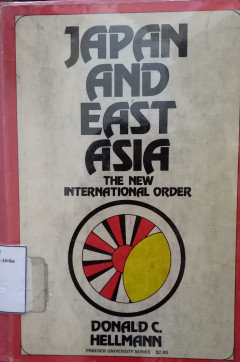
Japan and East Asia: The New international order
Japan’s evolving political and economic role in shaping the postwar and contemporary East Asian regional order. Hellmann examines how Japan’s rapid economic growth, security partnership with the United States, and increasing regional engagement influenced the balance of power in East Asia. The book explores Japan’s interactions with major regional actors—including China, Korea, and Sout…
- Edisi
- -
- ISBN/ISSN
- -
- Deskripsi Fisik
- xii, 243 pages : illustrations ; 20,5 cm
- Judul Seri
- -
- No. Panggil
- 327.5205 HEL i
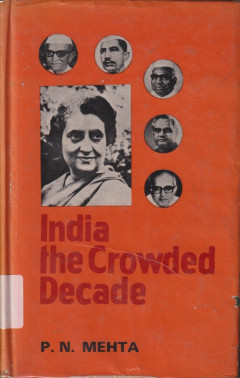
India: The Crowded decade
India: The Crowded Decade by P. N. Mehta offers an insightful analysis of a pivotal decade in India’s post-independence history. The book examines major political events, economic developments, social changes, and demographic pressures shaping the nation during this period. Mehta evaluates government policies, leadership challenges, and the impact of rapid population growth on national planni…
- Edisi
- -
- ISBN/ISSN
- -
- Deskripsi Fisik
- 446 pages ; 22,5 cm
- Judul Seri
- -
- No. Panggil
- 954.04 MEH i
Gandhi Today
Gandhi Today examines the enduring relevance of Mahatma Gandhi’s ideas on nonviolence, social justice, and political transformation in contemporary society. J. D. Sethi discusses how Gandhian philosophy continues to influence modern political movements, social reform initiatives, and grassroots activism in India and beyond. The book highlights Gandhi’s perspectives on truth, moral leadershi…
- Edisi
- -
- ISBN/ISSN
- -
- Deskripsi Fisik
- 211 pages ; 22 cm
- Judul Seri
- -
- No. Panggil
- 320.55 SET g
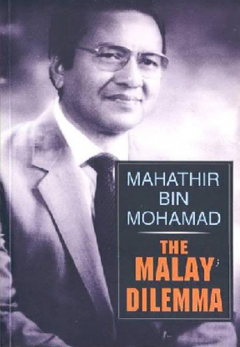
Dilema melayu
Dr Mahathir dilahirkan pada 20 Disember 1925 di Alor Setar, Kedah. Semasa masih di bangku sekolah lagi, beliau turut terlibat dalam kempen menentang Malayan Union dalam tahun 1945-1946. Dengan menggunakan nama samaran C.H.E. Det, beliau kerap menulis artikel-artikel mengenai orang Melayu dan mengenai politik untuk akhbar Sunday Times di antara tahun 1946 hingga 1950. Beliau telah lama menjad…
- Edisi
- -
- ISBN/ISSN
- 981-204-358-6
- Deskripsi Fisik
- vii, 222 pages ; 20 cm
- Judul Seri
- -
- No. Panggil
- 959.5 MOH d

The Rise and fall of the Shah: 1941–1979
The Rise and Fall of the Shah provides an in-depth political and historical analysis of Iran under the rule of Mohammad Reza Shah Pahlavi from 1941 until his overthrow in 1979. Amin Saikal examines the Shah’s consolidation of power, the role of foreign influence, economic and social reforms, and the political tensions that ultimately contributed to the collapse of his regime. The book offers …
- Edisi
- -
- ISBN/ISSN
- 0-207-14412-5
- Deskripsi Fisik
- xiii, 279 pages ; 22 cm
- Judul Seri
- -
- No. Panggil
- 955.03 SAI r

Conflict and violence in Lebanon: Confrontation in the Middle East
Based on firsthand observation and direct access to many of Lebanon's political leaders, this interpretive account covers the genesis, develop-ment, and aftermath of the 1975-76 Lebanese Civil War, including the Israeli invasion of March 1978 and its military and political consequences. The focus is on Lebanon, but the broader view encompasses the impact of other Middle Eastern coun-tries, the…
- Edisi
- -
- ISBN/ISSN
- 0-87674-038-7
- Deskripsi Fisik
- 216 pages ; 23 cm
- Judul Seri
- -
- No. Panggil
- 956.92 KHA c
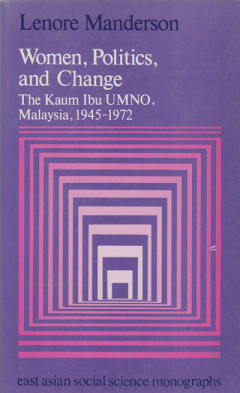
Women, politics, and change: The kaum ibu UMNO Malaysia, 1945-1972
Women, Politics, and Change draws on both oral and written historical and sociological material to examine the development of the women’s section of the senior party in government in Peninsular Malaysia. This section the Pergerakan Kaum Ibu Umno, have ben pre-eminent amongst women’s political organizations in the country. The book examines the structure, activities and interests of the Kaum…
- Edisi
- -
- ISBN/ISSN
- 0-19-580437-6
- Deskripsi Fisik
- xvii, 294 pages : Ilustrations ; 25 cm
- Judul Seri
- -
- No. Panggil
- 301.41595 MAN w
Indian parliamentary system
India is currently debating the most appropriate form of polity for its stage of development and aspirations. Having operated a parliamentary polity for nearly a generation, the nation is reassessing this system in light of emerging political needs. This book examines why the debate on political models has arisen, whether the perceived shortcomings stem from leadership, constitutional provision…
- Edisi
- -
- ISBN/ISSN
- -
- Deskripsi Fisik
- ix, 121 pages ; 22 cm
- Judul Seri
- -
- No. Panggil
- 328.5402 MAH i
The Making of India's foreign policy
In this second revised edition, the author incorporates political, strategic, economic, and other developments in India and the world since 1970 that significantly affect India’s foreign policy. The book critically examines the ends and means of Indian foreign policy, its basic determinants, the political institutions shaping it, the functioning of the Ministry of External Affairs, and the pe…
- Edisi
- -
- ISBN/ISSN
- -
- Deskripsi Fisik
- xiii, 361 pages ; 21,5 cm
- Judul Seri
- -
- No. Panggil
- 327.35 BAN m
 Karya Umum
  Filsafat
  Agama
Agama  Ilmu-ilmu Sosial
  Bahasa
  Ilmu-ilmu Murni
  Ilmu-ilmu Terapan
  Kesenian, Hiburan, dan Olahraga
  Kesusastraan
  Geografi dan Sejarah