Ditapis dengan
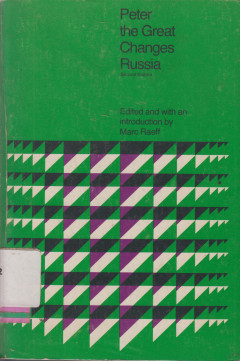
Peter the great changes Russia
This book offers a concise yet insightful exploration of the sweeping reforms introduced by Peter the Great and their profound impact on Russian society, government, and culture. Through selected documents and scholarly commentary, editor Marc Raeff highlights the transformation of Russia from a traditional tsarist state into an emerging European power. The volume provides historical context, a…
- Edisi
- -
- ISBN/ISSN
- 0-669-82701-0
- Deskripsi Fisik
- xxiv, 199 pages ; 20,5 cm
- Judul Seri
- -
- No. Panggil
- 947.05 RAE p
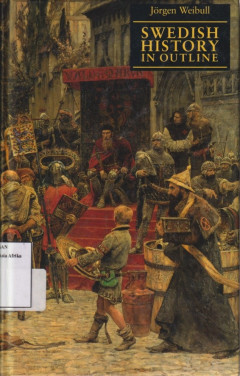
Swedish history in outline
This book provides a concise overview of Swedish history from its earliest periods to modern times. Written by historian Jörgen Weibull, it presents major political, social, and cultural developments that shaped Sweden’s national identity. The text highlights key historical events, influential figures, and the evolution of Swedish society within the broader Scandinavian and European contexts…
- Edisi
- -
- ISBN/ISSN
- 91-520-0294-2
- Deskripsi Fisik
- 145 pages : illustration ; 22,5 cm
- Judul Seri
- -
- No. Panggil
- 948.5 WEI s
Groot-Brittannië: Land van stille revoluties
This book provides an overview of the character, history, and social development of Great Britain, described as the “silent land of revolution.” Dr. H. A. Schönhage outlines the cultural, political, and economic changes that shaped modern Britain without major upheavals. Using a popular and descriptive approach, the book presents a concise analysis of British society, traditions, instituti…
- Edisi
- -
- ISBN/ISSN
- -
- Deskripsi Fisik
- 326 pages : illustration ; 24 cm
- Judul Seri
- -
- No. Panggil
- 914.2 SCH g
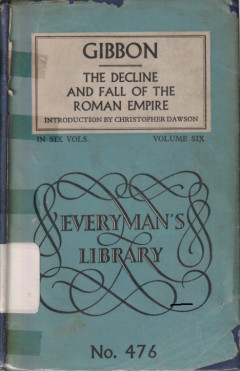
Gibbon’s decline and fall of the Roman Empire. Volume Six
This book is the sixth volume of Edward Gibbon's monumental work, The History of the Decline and Fall of the Roman Empire, which is considered one of the greatest works of historiography of all time. The sixth volume continues Gibbon's analysis of the process of the Roman Empire's collapse, covering political, military, religious, and socio-cultural developments in the empire's final years. Thi…
- Edisi
- -
- ISBN/ISSN
- -
- Deskripsi Fisik
- viii, 600 pages ; 18,5 cm
- Judul Seri
- -
- No. Panggil
- 937.06 GIB b
Gibbon’s decline and fall of the Roman Empire. Volume Four
This volume is the fourth part of Edward Gibbon's monumental work The History of the Decline and Fall of the Roman Empire, one of the most influential historical works in Western historiography. This book continues Gibbon's discussion of the decline of the Roman Empire, tracing the political, social, economic, and military factors that accelerated the fall of Roman power. This edition includes …
- Edisi
- -
- ISBN/ISSN
- -
- Deskripsi Fisik
- vi, 534 pages ; 18,5 cm
- Judul Seri
- -
- No. Panggil
- 937.06 GIB b
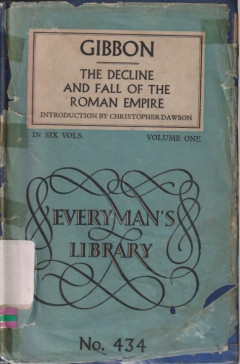
Gibbon’s decline and fall of the Roman Empire: Volume one
This book is the first volume of Edward Gibbon's monumental work, The History of the Decline and Fall of the Roman Empire, which is considered one of the greatest works of historiography of all time. In this volume, Gibbon discusses the glory of the Roman Empire, the factors that led to the weakening of its political and social structures, and the early developments that ultimately led to its d…
- Edisi
- -
- ISBN/ISSN
- -
- Deskripsi Fisik
- xx, 500 pages ; 18,5 cm
- Judul Seri
- -
- No. Panggil
- 940.1 GIB r

How the Irish saved civilization: The Untold story of Ireland’s Heroic Role…
This book reveals the significant role of the Irish people in saving Europe's intellectual heritage after the fall of the Roman Empire. Through their monasteries and religious communities, Irish scholars copied, preserved, and redistributed important ancient texts that had been nearly lost during the Dark Ages. Thomas Cahill describes how Irish monks became a bridge between ancient civilization…
- Edisi
- -
- ISBN/ISSN
- 0-385-41849-3
- Deskripsi Fisik
- x, 246 pages : illustration ; 20,5 cm
- Judul Seri
- -
- No. Panggil
- 941.501 CAH h

A Bird’s-eye view of French history
This book presents a concise yet comprehensive overview of French history, written by historian René Sédillot and translated into English by Gerard Hopkins. Using an easy-to-follow narrative approach, the book traces the political, social, and cultural development of France from early times to the modern era. Its concise and systematic presentation provides a comprehensive understanding for r…
- Edisi
- -
- ISBN/ISSN
- -
- Deskripsi Fisik
- 336 pages : illustration ; 20 cm
- Judul Seri
- -
- No. Panggil
- 944 SED b

Society, culture, and change in the Middle East
This book explores the social structures, cultural patterns, and dynamic processes of change occurring in the Middle East during the mid-twentieth century. Raphael Patai analyzes traditional and modern influences shaping Middle Eastern societies, addressing issues such as family life, social organization, modernization, and cultural transformation. As an expanded edition of his earlier work, th…
- Edisi
- -
- ISBN/ISSN
- 0-8122-7289-7
- Deskripsi Fisik
- 560 pages ; 20,5 cm
- Judul Seri
- -
- No. Panggil
- 306.0956 PAT s
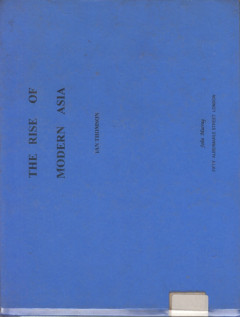
The Rise of modern Asia
This book provides an analytical overview of the major historical, political, and social transformations that shaped modern Asia. Ian Thomson explores the decline of traditional Asian structures, the impact of Western influence, the rise of nationalism, and the emergence of new Asian states during the twentieth century. Through a comparative regional approach, the book highlights the forces tha…
- Edisi
- -
- ISBN/ISSN
- -
- Deskripsi Fisik
- xvi, 265 pages : illustrations ; 21 cm
- Judul Seri
- -
- No. Panggil
- 950.42 THO r
 Karya Umum
 Filsafat
 Agama
 Ilmu-ilmu Sosial
 Bahasa
 Ilmu-ilmu Murni
 Ilmu-ilmu Terapan
 Kesenian, Hiburan, dan Olahraga
 Kesusastraan
 Geografi dan Sejarah