Ditapis dengan
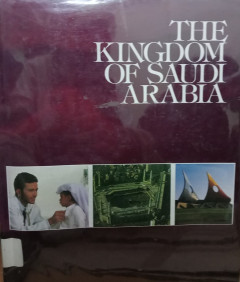
The Kingdom of Saudi Arabia
The Kingdom of Saudi Arabia by William Facey provides a concise and informative overview of the historical, cultural, and geographical foundations of Saudi Arabia. The book traces the development of the Arabian Peninsula from its early tribal society to the rise of the Saudi state, emphasizing the role of Islam, the unification under King Abdulaziz, and the transformative impact of oil discover…
- Edisi
- -
- ISBN/ISSN
- 0-905743-67-9
- Deskripsi Fisik
- 256 pages : iilustrations ; 30 cm
- Judul Seri
- -
- No. Panggil
- 953.8 FAC k

Dir 'iyyah and the first Saudi state
Dirʿiyyah and the First Saudi State by William Facey provides a concise historical examination of the rise of Dirʿiyyah as the birthplace of the First Saudi State in the 18th century. The book traces the alliance between Muhammad ibn Saud and the religious reformer Muhammad ibn Abd al-Wahhab, which laid the ideological and political foundations for the emerging state. Facey highlights Dirʿiy…
- Edisi
- -
- ISBN/ISSN
- 0905743-806
- Deskripsi Fisik
- 112 pages : illustrations ; 30 cm
- Judul Seri
- -
- No. Panggil
- 953.8 FAC d
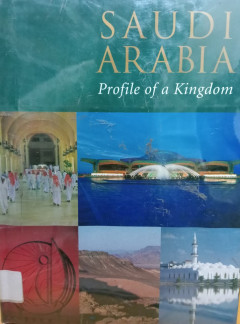
Saudi Arabia: Profile of a kingdom
audi Arabia: Profile of a Kingdom offers a richly illustrated and insightful portrait of the Kingdom, tracing its cultural heritage, historical development, and modern transformation. Through prose and photography, the authors explore how Saudi Arabia leveraged its vast oil wealth to build economic power, while preserving deeply rooted traditions. The book also delves into the Kingdom’s polit…
- Edisi
- -
- ISBN/ISSN
- 1-873544-67-7
- Deskripsi Fisik
- 124 pages : illustrations ; 31 cm
- Judul Seri
- -
- No. Panggil
- 953.8 DOB s

The architectural achievement of King Abdul-aziz in the honored area of Makka…
This book explores the architectural developments initiated under the reign of King Abdul-Aziz in the honored area of Makkah between 1924 and 1953. It highlights the King’s efforts to modernize the holy city while preserving its sacred character, focusing on major projects such as the expansion of the Grand Mosque, improvements to pilgrim facilities, and the introduction of new urban infrastr…
- Edisi
- -
- ISBN/ISSN
- 9960-880-59-1
- Deskripsi Fisik
- 380 pages : illustrations ; 32 cm
- Judul Seri
- -
- No. Panggil
- 953.121 ALI a
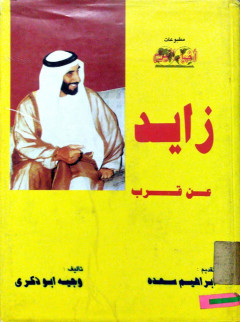
Zayed An Qurbin
Zayed ʿAn Qurbin presents an intimate portrayal of the life, values, and leadership philosophy of Sheikh Zayed bin Sultan Al Nahyan, the founding leader of the United Arab Emirates. Written by Wajih Abu Zikr, the book draws upon close observations, historical accounts, and personal reflections to depict Zayed’s character, humanitarian vision, and political wisdom. It highlights his dedicatio…
- Edisi
- -
- ISBN/ISSN
- 977-08-0169-0
- Deskripsi Fisik
- 231 pages : Ilustrations ; 25 cm
- Judul Seri
- -
- No. Panggil
- 923.1538 ZIK z

Saudi Arabia: A Case study in development
Saudi Arabia: A Case Study in Development by Fouad Al-Farsy outlines the Kingdom’s rapid modernization driven by oil wealth, strategic planning, and administrative reforms. The book highlights how Saudi Arabia transformed its infrastructure, public services, and economy while balancing tradition with modern development goals.
- Edisi
- -
- ISBN/ISSN
- -
- Deskripsi Fisik
- 224 pages : illustrations ; 24 cm
- Judul Seri
- -
- No. Panggil
- 338.538 ALF s
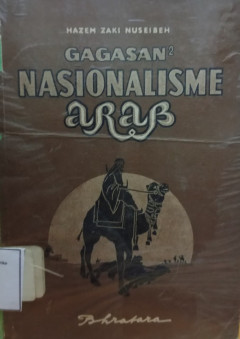
Gagasan-gagasan nasionalisme Arab
Buku ini membahas perkembangan nasionalisme Arab sebagai identitas bersama yang dibentuk oleh bahasa, sejarah, dan budaya Arab. Hazem Zaki Nuseibeh menjelaskan bagaimana pengaruh Islam, pengalaman kolonialisme, serta modernisasi memicu kesadaran politik bangsa Arab. Ia juga menguraikan gagasan utama para pemikir Arab dalam upaya membangun persatuan dan arah masa depan dunia Arab.
- Edisi
- -
- ISBN/ISSN
- -
- Deskripsi Fisik
- xvi, 207 halaman ; 21 cm
- Judul Seri
- -
- No. Panggil
- 320.545 NUS g
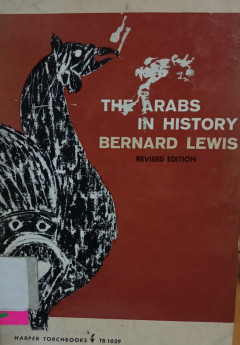
The Arabs in history
The Arabs in History provides a concise historical overview of the Arab people from pre-Islamic times to the modern era. Bernard Lewis examines the development of Arab society, the rise of Islam, the creation of the early Islamic empires, and the cultural, economic, and political forces that shaped the Arab world. The book highlights the Arabs’ contributions to civilization, their interaction…
- Edisi
- -
- ISBN/ISSN
- 0-06-090491-7
- Deskripsi Fisik
- 200 pages : illustrations ; 21 cm
- Judul Seri
- -
- No. Panggil
- 953 LEW a
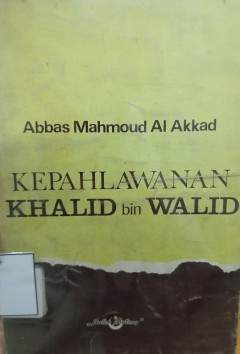
Kepahlawanan Khalid bin Walid
Buku Kepahlawanan Khalid bin Walid menggambarkan perjalanan hidup dan perjuangan militer Khalid bin Walid, salah satu panglima terbesar dalam sejarah Islam. Dijuluki Pedang Allah (Saifullah), Khalid dikenal karena kecerdasan strategi, keberanian luar biasa, serta kepemimpinan yang membawa kemenangan dalam berbagai pertempuran penting pada masa Nabi Muhammad SAW dan Khulafaur Rasyidin. Buku ini …
- Edisi
- -
- ISBN/ISSN
- -
- Deskripsi Fisik
- 264 halaman : ilustrasi ; 21 cm
- Judul Seri
- -
- No. Panggil
- 297.911 ALA k

A Date with tomorrow
A Date with Tomorrow by Wajih Mazboudi (1988) is a study on communication and information services during the Hajj pilgrimage in Saudi Arabia. The book investigates how Saudi media address the many linguistic, cultural, and social groups among pilgrims, and critiques the lack of reliable audience data. Mazboudi calls for a dedicated Islamic broadcasting organization to improve the effectiveness…
- Edisi
- -
- ISBN/ISSN
- -
- Deskripsi Fisik
- 161 pages : illustrations ; 24 cm
- Judul Seri
- -
- No. Panggil
- 923.1538 MAZ d
 Karya Umum
  Filsafat
  Agama
Agama  Ilmu-ilmu Sosial
  Bahasa
  Ilmu-ilmu Murni
  Ilmu-ilmu Terapan
  Kesenian, Hiburan, dan Olahraga
  Kesusastraan
  Geografi dan Sejarah