Ditapis dengan

The Sudan: A Record of achievement
This book provides an overview of the political, economic, and administrative developments in Sudan during the Anglo-Egyptian Condominium (1899–1952). Written by J. S. R. Duncan, it highlights the achievements of the colonial administration in establishing modern governmental institutions, improving infrastructure, and promoting economic growth. The author examines reforms in public health, e…
- Edisi
- -
- ISBN/ISSN
- -
- Deskripsi Fisik
- xi, 283 pages ; 22 cm
- Judul Seri
- -
- No. Panggil
- 962.403 DUN s

Chronology of Namibian history: From Pre-historical times to independent Namibia
Klaus Dierks's Chronology of Namibian History presents a chronological series of important events in Namibian history, from prehistoric times, through German colonialism, the South African occupation, and the struggle for independence in 1990. This updated second edition includes historical data, socio-political developments, and key figures who shaped Namibia's national identity. This book is …
- Edisi
- -
- ISBN/ISSN
- 99916-40-10-X
- Deskripsi Fisik
- xii, 484 pages : illustration ; 21 cm
- Judul Seri
- -
- No. Panggil
- 968.81 DIE c
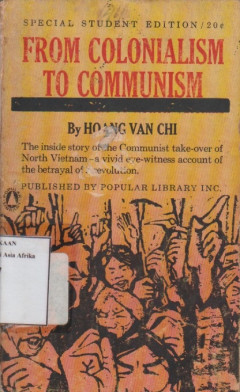
From colonialism to communism
From Colonialism to Communism presents Hoang Van Chi’s first-hand account of the political transformation of North Vietnam following the end of French colonial rule. The book describes how the Vietnamese Communist Party consolidated power, eliminated opposition, and reshaped society under a Marxist-Leninist framework. Drawing on personal observations and internal documents, Hoang argues that …
- Edisi
- -
- ISBN/ISSN
- -
- Deskripsi Fisik
- 256 pages ; 17,5 cm
- Judul Seri
- -
- No. Panggil
- 959.7042 HOA f
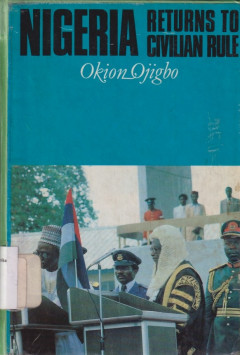
Nigeria returns to civilian rule
This book examines Nigeria’s transition from military rule to civilian government, focusing on the political events surrounding the restoration of democratic institutions in 1979. Written by Okion Ojigbo, it analyzes the challenges of governance, the roles of political actors, and the expectations placed upon the civilian administration. The author highlights the historical background of mili…
- Edisi
- -
- ISBN/ISSN
- -
- Deskripsi Fisik
- 360 pages : illustration ; 22 cm
- Judul Seri
- -
- No. Panggil
- 320.9669 OJI n
Imperialism and nationalism in the Sudan: A Study in constitunional and polit…
This book provides a comprehensive analysis of the political and constitutional development of Sudan during the Anglo-Egyptian Condominium period (1899–1956). Muddathir ‘Abd al-Rahīm examines how imperial policies shaped Sudan’s administrative structure, social relations, and emerging political movements. The study investigates the dynamics between British and Egyptian authorities, the e…
- Edisi
- -
- ISBN/ISSN
- -
- Deskripsi Fisik
- x, 298 pages ; 21 cm
- Judul Seri
- -
- No. Panggil
- 962.4 ALR i
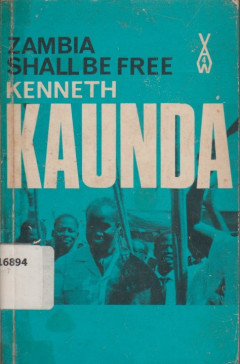
The Riddle of violence
The Riddle of Violence is a reflective political and philosophical work by Kenneth Kaunda, the first President of Zambia. In this volume, Kaunda explores the moral, social, and political roots of violence in modern society, drawing from his personal experiences during Zambia’s struggle for independence and his leadership in a newly emerging African nation. He contrasts violence with African h…
- Edisi
- -
- ISBN/ISSN
- 0-06-250450-9
- Deskripsi Fisik
- 202 pages : illustration ; 18,5 cm
- Judul Seri
- -
- No. Panggil
- 303.62 KAU r
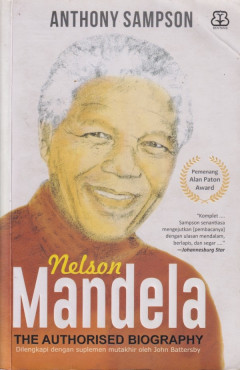
Nelson Mandela: The Authorised biography
This book is the official biography of Nelson Mandela written by Anthony Sampson, a journalist and longtime friend of Mandela. This biography describes Mandela's life journey from childhood, his struggle in the African National Congress (ANC), his involvement in the anti-apartheid movement, to his 27-year imprisonment on Robben Island and his rise as a symbol of the struggle for humanity. This …
- Edisi
- -
- ISBN/ISSN
- 978-602-291-096-1
- Deskripsi Fisik
- xxiv, 700 pages ; 23,5 cm
- Judul Seri
- -
- No. Panggil
- 968.065092 SAM n
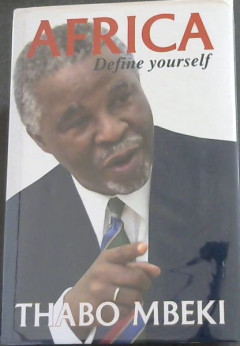
Africa: Define yourself
Africa: Define Yourself is a collection of Thabo Mbeki's speeches, writings, and thoughts on African identity, continental renewal, and modern African political ideals. Through reflective essays, Mbeki discusses the African struggle against colonialism, economic development, social justice, and his concept of the "African Renaissance." This book provides an in-depth perspective on how Africans …
- Edisi
- -
- ISBN/ISSN
- 0-624-04097-6
- Deskripsi Fisik
- 328 pages; 23 cm
- Judul Seri
- -
- No. Panggil
- 968 MBE a
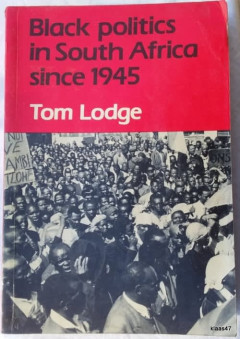
Black politics in South Africa since 1945
This book is a comprehensive study of the development of black politics in South Africa since 1945. Tom Lodge analyzes the dynamics of black political organizations, resistance movements, mass action, and the relationships between anti-apartheid groups. It explores the social, economic, and ideological factors that shaped black politics during the apartheid era. With in-depth research based on …
- Edisi
- -
- ISBN/ISSN
- 0-582-64327-9
- Deskripsi Fisik
- 389 pages; 23 cm
- Judul Seri
- -
- No. Panggil
- 968.00496 LOD b
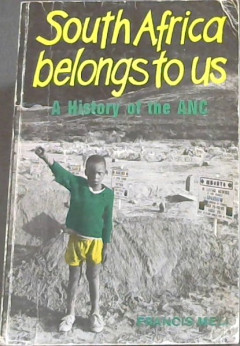
South Africa belongs to us
This book is a comprehensive history of the African National Congress (ANC), South Africa's oldest liberation organization. Francis Meli describes the ANC's origins, the development of its struggle against apartheid, its political strategies, the roles of its leaders, and the organization's internal dynamics. Through archival documentation, interviews, and photographs gathered from Sechaba and …
- Edisi
- -
- ISBN/ISSN
- 0-949255-52-5
- Deskripsi Fisik
- 255 pages, 21 x 14 cm
- Judul Seri
- -
- No. Panggil
- 986 MEL s
 Karya Umum
  Filsafat
  Agama
Agama  Ilmu-ilmu Sosial
  Bahasa
  Ilmu-ilmu Murni
  Ilmu-ilmu Terapan
  Kesenian, Hiburan, dan Olahraga
  Kesusastraan
  Geografi dan Sejarah