Ditapis dengan
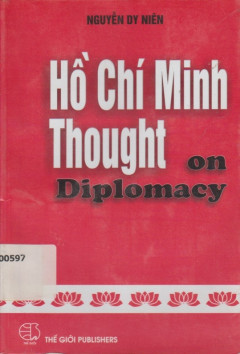
Hồ Chí Minh tought on diplomacy
Hồ Chí Minh Thought on Diplomacy presents an analytical overview of the diplomatic principles and strategies developed by Hồ Chí Minh throughout Vietnam’s struggle for national independence and international recognition. Written by Nguyễn Dy Niên, the book examines Hồ Chí Minh’s views on peaceful engagement, national self-determination, international solidarity, and the combinat…
- Edisi
- -
- ISBN/ISSN
- -
- Deskripsi Fisik
- 270 pages ; 20,1 cm
- Judul Seri
- -
- No. Panggil
- 327.09597 NGU h
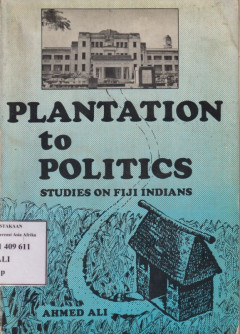
Plantation to politics: Studies on Fiji Indians
Plantation to Politics: Studies on Fiji Indians by Ahmed Ali presents a detailed examination of the historical, social, and political development of the Indo-Fijian community. The book traces the arrival of Indian indentured laborers to Fiji’s sugar plantations during the colonial period and analyzes how their experiences shaped a unique ethnic and cultural identity. Ali explores the transfor…
- Edisi
- -
- ISBN/ISSN
- -
- Deskripsi Fisik
- 222 pages ; 20,5 cm
- Judul Seri
- -
- No. Panggil
- 320.9611 ALI p

Octobre: Algérie ‘88 un chahut de gamins…?
Octobre: Algérie ‘88 – Un chahut de gamins…? by Abed Charef is a journalistic and analytical account of the October 1988 uprising in Algeria, a pivotal event that marked the beginning of political liberalization and the collapse of the one-party system. The book explores the causes of the protests, the social and economic tensions affecting Algerian youth, and the violent government resp…
- Edisi
- second edition
- ISBN/ISSN
- -
- Deskripsi Fisik
- 270 pages : illustration ; 21,5 cm
- Judul Seri
- -
- No. Panggil
- 965.05 ABE o
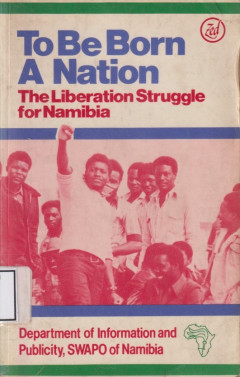
To be born a nation: The Liberation struggle for Namibia
To Be Born a Nation is a comprehensive documentation of Namibia's struggle for liberation from South African colonialism. Compiled by SWAPO's Information and Publicity Department, it details Namibia's political history, the roots of the conflict, the development of the resistance movement, and the diplomatic and military strategies pursued toward independence. Complete with maps, diagrams, and …
- Edisi
- -
- ISBN/ISSN
- 0-905762-73-8
- Deskripsi Fisik
- v, 354 pages : illustration ; 21,5 cm
- Judul Seri
- -
- No. Panggil
- 968.803 DEP b

Egypt after mubarak: Liberalism, islam, and democracy in the Arab world
Egypt After Mubarak examines the political dynamics shaping Egypt’s future in the early 21st century. Bruce K. Rutherford analyzes the competing forces of liberalism, political Islam, and state authoritarianism, focusing on their potential to influence democratic development in the Arab world’s most populous nation. Drawing on constitutional analysis, interviews, and the historical evolutio…
- Edisi
- -
- ISBN/ISSN
- 978-0-691-13665-3
- Deskripsi Fisik
- Deskripsi fisik : x, 292 pages ; 24 cm
- Judul Seri
- -
- No. Panggil
- 320.962 RUT e

From opposition to governing party: Nigeria’s APC merger story
This book provides a detailed account of the political processes that led to the formation of the All Progressives Congress (APC), which emerged as Nigeria’s major governing party in 2015. Written by Ogbonnaya Onu, one of the key figures in the merger negotiations, the work offers firsthand insights into the motivations, challenges, and strategic decisions that shaped the unification of major…
- Edisi
- -
- ISBN/ISSN
- 978–978–53675–0–8
- Deskripsi Fisik
- xxviii, 452 pages : illustrations ; 22 cm
- Judul Seri
- -
- No. Panggil
- 324.2669 ONU f
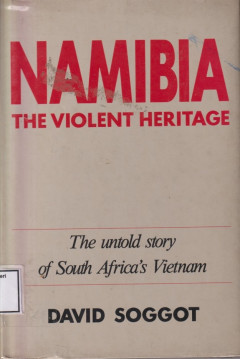
Namibia The violent heritage
David Soggot's "Namibia: The Violent Heritage" examines the long history of conflict, oppression, and struggle of the Namibian people, from the German colonial era to the South African occupation. The author reveals how the legacy of structural violence created political tensions, racial discrimination, and profound human rights violations. Through historical and political analysis, the book de…
- Edisi
- -
- ISBN/ISSN
- 0-86036-210-8
- Deskripsi Fisik
- xiv, 333 pages : illustration ; 24 cm
- Judul Seri
- -
- No. Panggil
- 968.8 SOG n
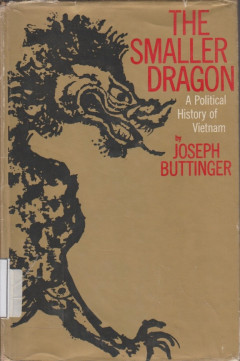
The Smaller dragon: A Political history of Vietnam
The Smaller Dragon provides a comprehensive political history of Vietnam, tracing the country’s development from its early dynastic roots to the mid-20th century. Joseph Buttinger analyzes the evolution of Vietnamese nationalism, the impact of French colonialism, and the rise of modern political movements, including communism and anticolonial resistance. Through historical interpretation and …
- Edisi
- -
- ISBN/ISSN
- -
- Deskripsi Fisik
- 535 pages : illustrations ; 24 cm
- Judul Seri
- -
- No. Panggil
- 959.7042 BUT s
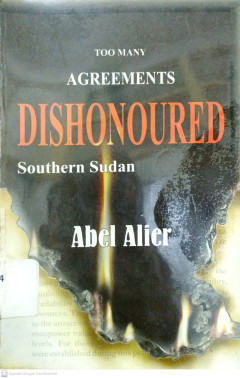
Southern Sudan: Too many agreements dishonoured
This book examines the political history of Southern Sudan after Sudan’s independence in 1956, focusing on the repeated failure of agreements intended to resolve the North–South conflict. Written by Abel Alier, one of the region’s key political figures, the work provides a detailed account of negotiations, peace accords, and constitutional arrangements that were signed but later dishonour…
- Edisi
- cet.2
- ISBN/ISSN
- 0-86372-016-3-X
- Deskripsi Fisik
- 376 pages : illustrations ; 21 cm
- Judul Seri
- -
- No. Panggil
- 962.904 ALI s

Looking north to South-East Asia: The View from Australia
This volume examines Australia’s evolving perspectives toward the nations of South-East Asia during the mid-twentieth century. Bringing together analyses by multiple contributors, the book discusses political, strategic, economic, and diplomatic factors that shaped Australia’s regional outlook. It explores the historical context of Australia’s relationship with its northern neighbors, ass…
- Edisi
- -
- ISBN/ISSN
- 0-8248-0531-3
- Deskripsi Fisik
- x, 278 halaman ; 22 cm
- Judul Seri
- -
- No. Panggil
- 327.94059 WOL l
 Karya Umum
  Filsafat
  Agama
Agama  Ilmu-ilmu Sosial
  Bahasa
  Ilmu-ilmu Murni
  Ilmu-ilmu Terapan
  Kesenian, Hiburan, dan Olahraga
  Kesusastraan
  Geografi dan Sejarah