Ditapis dengan

The Realities of Vietnam: A Ripon society appraisal
The Realities of Vietnam presents an analytical appraisal of the Vietnam situation prepared by the Ripon Society. Edited by Christopher W. Beal with contributions from Anthony A. D’Amato, the book examines the political, social, and military dimensions of the Vietnam conflict as understood in the late 1960s. It evaluates U.S. policy, the nature of the South Vietnamese government, the motivati…
- Edisi
- -
- ISBN/ISSN
- -
- Deskripsi Fisik
- 186 pages ; 23,5 cm
- Judul Seri
- -
- No. Panggil
- 959.7043 BEA r
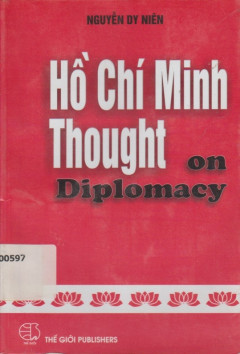
Hồ Chí Minh tought on diplomacy
Hồ Chí Minh Thought on Diplomacy presents an analytical overview of the diplomatic principles and strategies developed by Hồ Chí Minh throughout Vietnam’s struggle for national independence and international recognition. Written by Nguyễn Dy Niên, the book examines Hồ Chí Minh’s views on peaceful engagement, national self-determination, international solidarity, and the combinat…
- Edisi
- -
- ISBN/ISSN
- -
- Deskripsi Fisik
- 270 pages ; 20,1 cm
- Judul Seri
- -
- No. Panggil
- 327.09597 NGU h
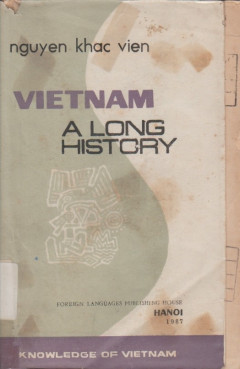
Vietnam: A Long history
Vietnam: A Long History presents a concise yet comprehensive overview of Vietnam’s historical development from its ancient origins to the modern era. Written by Nguyen Khac Vien, the book highlights major political, cultural, and social milestones that shaped the Vietnamese nation, including early kingdoms, Chinese domination, struggles for independence, dynastic periods, colonial rule, and t…
- Edisi
- -
- ISBN/ISSN
- -
- Deskripsi Fisik
- 402 pages : illustration ; 21 cm
- Judul Seri
- -
- No. Panggil
- 959.7 NGU v

The 30-Year War 1945–1975 (Volume II: 1954–1975)
The 30-Year War 1945–1975 (Volume II: 1954–1975) presents a detailed account of the political, military, and social developments in Vietnam during the period following the Geneva Agreement of 1954 up to the end of the Vietnam War in 1975. The volume examines the division of Vietnam, the escalation of conflict between North and South, foreign intervention, and the strategies employed by the …
- Edisi
- -
- ISBN/ISSN
- -
- Deskripsi Fisik
- viii, 311 pages : illustration ; 21 cm
- Judul Seri
- -
- No. Panggil
- 959.7042 TIM t
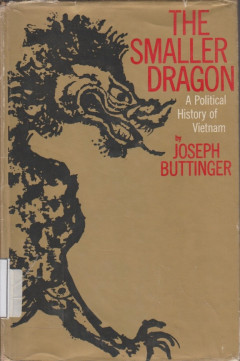
The Smaller dragon: A Political history of Vietnam
The Smaller Dragon provides a comprehensive political history of Vietnam, tracing the country’s development from its early dynastic roots to the mid-20th century. Joseph Buttinger analyzes the evolution of Vietnamese nationalism, the impact of French colonialism, and the rise of modern political movements, including communism and anticolonial resistance. Through historical interpretation and …
- Edisi
- -
- ISBN/ISSN
- -
- Deskripsi Fisik
- 535 pages : illustrations ; 24 cm
- Judul Seri
- -
- No. Panggil
- 959.7042 BUT s
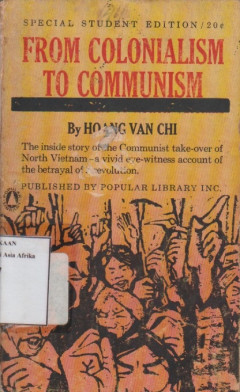
From colonialism to communism
From Colonialism to Communism presents Hoang Van Chi’s first-hand account of the political transformation of North Vietnam following the end of French colonial rule. The book describes how the Vietnamese Communist Party consolidated power, eliminated opposition, and reshaped society under a Marxist-Leninist framework. Drawing on personal observations and internal documents, Hoang argues that …
- Edisi
- -
- ISBN/ISSN
- -
- Deskripsi Fisik
- 256 pages ; 17,5 cm
- Judul Seri
- -
- No. Panggil
- 959.7042 HOA f

General Vo Nguyen Giap: The General headquarters in the spring of brilliant v…
This is General Giap's latest memoir on the Supreme Command's sharp and lucid decisions at the end of the national resistance war. In his book, he writes about great events such as the battle of Dien Bien Phu in the air during Christmas 1972; and the Tay Nguyen Campaign, which was a strategic turning-point that led to the Ho Chi Minh Campaign to liberate Sai Gon in April 1975. The last part of …
- Edisi
- Ed. 2
- ISBN/ISSN
- -
- Deskripsi Fisik
- 357 pages : illustrations (black and white) ; 21 cm
- Judul Seri
- -
- No. Panggil
- 920 GIA g
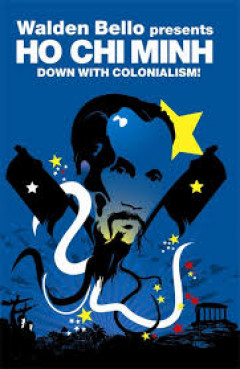
Down with colonialism!
Down with Colonialism! is a collection of speeches, essays, and political writings by Ho Chi Minh that outlines his critique of French colonial rule in Vietnam and his vision for national liberation. Through clear and persuasive arguments, Ho Chi Minh exposes the injustices, exploitation, and oppression experienced by the Vietnamese people under colonialism. The book highlights the development …
- Edisi
- -
- ISBN/ISSN
- 978-1-84467-177-9
- Deskripsi Fisik
- xliv, 226 pages ; 19,5 cm
- Judul Seri
- -
- No. Panggil
- 808 MIN d

In retrospect: The tragedy and lesson of Vietnam
Robert S. McNamara, secretary of defense for Presidents Kennedy and Johnson, helped lead America into Vietnam. McNamara believed that the fight against communism in Asia was worth the sacrifice of American lives, and yet he eventually came to believe that the war was, in fact, unwinnable. Outnumbered by those who wanted to continue fighting, he left the Johnson administration and his involvemen…
- Edisi
- -
- ISBN/ISSN
- 0679767495
- Deskripsi Fisik
- xviii, 414 pages : illustrations ; 25 cm
- Judul Seri
- -
- No. Panggil
- 959.7043373 Mcn i
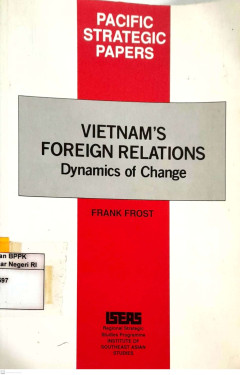
Vietnam's foreign relations: Dynamics of change
This paper provides a survey of Vietnam's challenges and problems in foreign relations. The paper first reviews developments in Vietnam's process of political and economic "renovation" (doi moi) and highlights the influence domestic pressures for change (especially in economic policy) have had on foreign relations. The paper then considers the recent evolution of Vietnam's international outlook…
- Edisi
- -
- ISBN/ISSN
- 981-3016-65-5
- Deskripsi Fisik
- 90 pages ; 24 cm.
- Judul Seri
- -
- No. Panggil
- 327.597 Fro v
 Karya Umum
  Filsafat
  Agama
Agama  Ilmu-ilmu Sosial
  Bahasa
  Ilmu-ilmu Murni
  Ilmu-ilmu Terapan
  Kesenian, Hiburan, dan Olahraga
  Kesusastraan
  Geografi dan Sejarah