Ditapis dengan
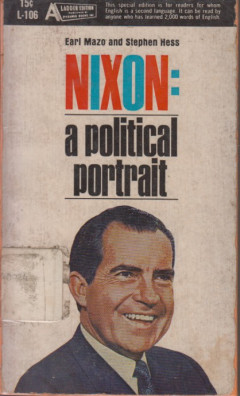
The Challenges we face
This book presents a collection of political speeches delivered by Richard M. Nixon, offering insights into the major domestic and international challenges faced by the United States during the early stages of the Cold War. Nixon discusses issues of national security, foreign policy, economic stability, and American leadership in global affairs. The volume reflects his perspectives on the respo…
- Edisi
- -
- ISBN/ISSN
- -
- Deskripsi Fisik
- 222 pages ; 17,5 cm
- Judul Seri
- -
- No. Panggil
- 973.92092 NIX c
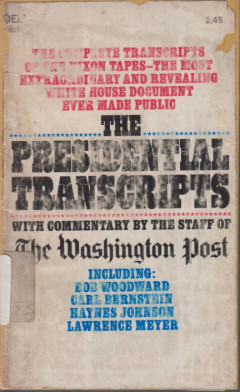
The Presidential transcripts
“The Presidential Transcripts” presents the complete published transcripts of conversations recorded in the White House during the Watergate scandal. Compiled and annotated by the staff of The Washington Post, the book provides essential insight into the political crisis that led to President Richard Nixon’s resignation. The transcripts reveal discussions on political strategy, attempts t…
- Edisi
- -
- ISBN/ISSN
- -
- Deskripsi Fisik
- xl, 693 pages ; 18 cm
- Judul Seri
- -
- No. Panggil
- 973.924 THE p
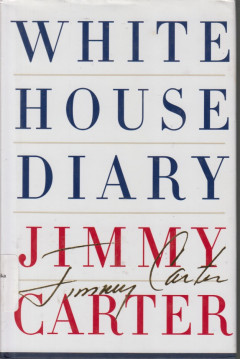
White house diary
White House Diary presents President Jimmy Carter’s detailed, day-to-day reflections during his years in the White House from 1977 to 1981. Drawn from his personal diary entries, the book provides an intimate look at major political decisions, diplomatic challenges, and domestic issues faced during his presidency. Carter offers insights into global events, key policy debates, and his interact…
- Edisi
- -
- ISBN/ISSN
- 978-0-374-28099-4
- Deskripsi Fisik
- xv, 370 pages : illustrations ; 23,5 cm
- Judul Seri
- -
- No. Panggil
- 973.926092 CAR w
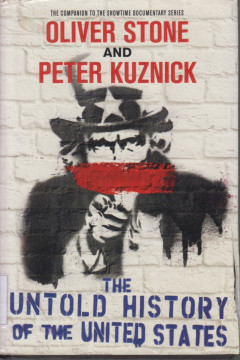
The Untold history of the United States
This book offers a revisionist account of United States history as presented by filmmaker Oliver Stone and historian Peter Kuznick. Serving as a companion to the acclaimed documentary series, it reexamines key political, military, and ideological developments of the 20th and early 21st centuries. The authors challenge conventional narratives by highlighting overlooked events, suppressed documen…
- Edisi
- -
- ISBN/ISSN
- 978-1-4516-1351-3
- Deskripsi Fisik
- xxxiii, 750 pages : illustrations ; 24 cm
- Judul Seri
- -
- No. Panggil
- 973.91 STO u
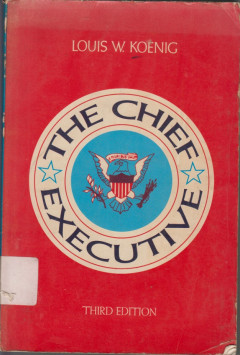
The Chief executive
This third edition of Louis W. Koenig’s influential work offers a comprehensive examination of the American presidency as the central institution of executive power in the United States. The book analyzes the constitutional foundations, political dynamics, administrative responsibilities, and leadership roles of the president. Koenig explores the evolution of presidential power, the relations…
- Edisi
- 3
- ISBN/ISSN
- 0-15-506672-2
- Deskripsi Fisik
- x, 452 pages ; 23,5 cm
- Judul Seri
- -
- No. Panggil
- 352.23 KOE c

The Reagan record: An Assessment of America’s changing domestic priorities
This Urban Institute study provides a comprehensive assessment of the domestic policies implemented during the Reagan administration. Edited by John L. Palmer and Isabel V. Sawhill, the volume examines major shifts in economic policy, social welfare programs, federal–state fiscal relations, taxation, and public spending priorities. The contributors analyze the intended and actual impacts of R…
- Edisi
- -
- ISBN/ISSN
- 0-88730-001-4
- Deskripsi Fisik
- xvii, 415 pages : illustrations ; 22,5 cm
- Judul Seri
- -
- No. Panggil
- 338.973 PAL r

America right or wrong: An Anatomy of American nationalism
America Right or Wrong offers a critical examination of American nationalism and its influence on U.S. domestic and foreign policy. Anatol Lieven analyzes the cultural, political, and historical roots of American national identity, highlighting how different strands of nationalism—both civic and ideological—shape America’s worldview and global actions. The book explores the impact of nati…
- Edisi
- -
- ISBN/ISSN
- 978-0-19-984162-2
- Deskripsi Fisik
- x, 297 pages ; 23,5 cm
- Judul Seri
- -
- No. Panggil
- 320.54 LIE a

Mixed messages: American politics and international organization 1919–1999
Mixed Messages explores the complex relationship between the United States and major international organizations from the end of World War I through the end of the twentieth century. Edward C. Luck analyzes how American domestic politics, shifting national interests, and public opinion have shaped U.S. engagement with institutions such as the League of Nations and the United Nations. The book h…
- Edisi
- -
- ISBN/ISSN
- 0-8157-5308-X
- Deskripsi Fisik
- xvi, 374 pages ; 23 cm
- Judul Seri
- -
- No. Panggil
- 341.23 LUC m

A Government as good as its people
This book presents a collection of speeches, essays, and reflections by Jimmy Carter, written during his rise from governor of Georgia to President of the United States. Carter discusses themes of democracy, social justice, moral leadership, and the responsibilities of government to its citizens. Through personal insights and political commentary, he outlines his vision of a government defined …
- Edisi
- -
- ISBN/ISSN
- 0-671-22852-9
- Deskripsi Fisik
- 262 pages ; 22,5 cm
- Judul Seri
- -
- No. Panggil
- 973.925 CAR g

Homeland insecurity: How Washington politicians have made America less safe
Homeland Insecurity examines how political decisions in Washington weakened the effectiveness of U.S. law enforcement and national security agencies, particularly the FBI. Drawing from their direct experience in counterterrorism, Terry D. Turchie and Kathleen M. Puckett reveal how partisan politics, bureaucratic changes, and misguided reforms undermined efforts to keep America safe. The authors…
- Edisi
- -
- ISBN/ISSN
- 978-1-933909-33-2
- Deskripsi Fisik
- xiii, 313 pages ; 23,5 cm
- Judul Seri
- -
- No. Panggil
- 363.25 TUR h
 Karya Umum
  Filsafat
  Agama
Agama  Ilmu-ilmu Sosial
  Bahasa
  Ilmu-ilmu Murni
  Ilmu-ilmu Terapan
  Kesenian, Hiburan, dan Olahraga
  Kesusastraan
  Geografi dan Sejarah