Ditapis dengan
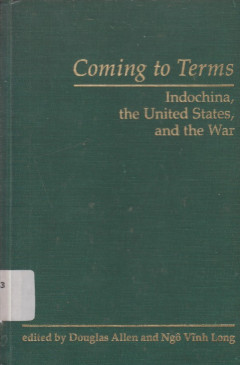
Coming to terms: Indochina, the United States, and the war
Coming to Terms is a scholarly examination of the political, social, and historical dimensions of the Indochina conflict and the role of the United States. Edited by Douglas Allen and Ngô Vĩnh Long, the book brings together contributions from leading researchers who analyze the roots of the war, the consequences for Vietnam, Laos, and Cambodia, and the broader geopolitical implications for So…
- Edisi
- -
- ISBN/ISSN
- 0-8133-1249-3
- Deskripsi Fisik
- ix, 350 pages : illustrations ; 23,5 cm
- Judul Seri
- -
- No. Panggil
- 959.7043 ALL c
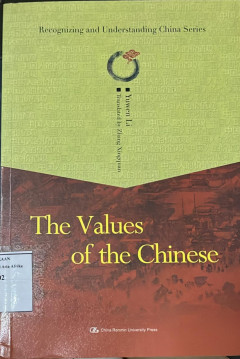
The Values of the Chinese
This book reveals the development and trace of the Chinese values from traditional society up to now. It focuses on the present values of modern Chinese people, and discusses the content of Chinese values in political, economic, cultural and social life. In this book, the author explains the core values of Chinese, especially their values on life, harmony, ritual, justice, intelligence, progres…
- Edisi
- -
- ISBN/ISSN
- 978-7-300-16671-1
- Deskripsi Fisik
- 173 pages ; 25 cm
- Judul Seri
- -
- No. Panggil
- 951.802 LI t
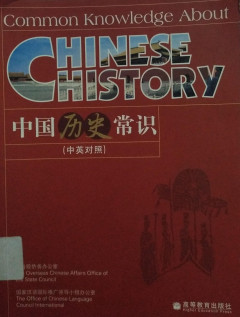
Common knowledge about Chinese history
This bilingual Chinese–English reference book provides an accessible overview of the major events, dynasties, and developments in Chinese history. Published by the Higher Education Press under the guidance of the Overseas Chinese Affairs Office of the State Council and the Office of Chinese Language Council International, it is designed for international students and readers seeking foundatio…
- Edisi
- -
- ISBN/ISSN
- 978-7-04-020717-0
- Deskripsi Fisik
- 260 pages : Ilustrations : 23,5 cm
- Judul Seri
- -
- No. Panggil
- 951 TIM c
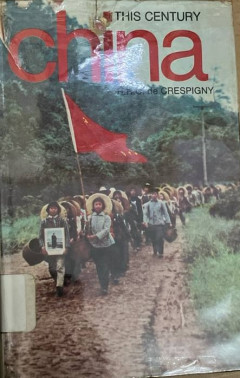
China this century
For all the world China is a great and important country. The Peking government controls the greatest population in the world and one of the largest areas of land China in this Century links the events of recent years in China with the debates of the present and the problems of the future. In the three quarters of a century since 1900 the people of China have been ruled by emperors, warlords, r…
- Edisi
- -
- ISBN/ISSN
- 17-004983-3
- Deskripsi Fisik
- xi, 299 pages : illustrations ; 22 cm
- Judul Seri
- -
- No. Panggil
- 951.041 CRE c
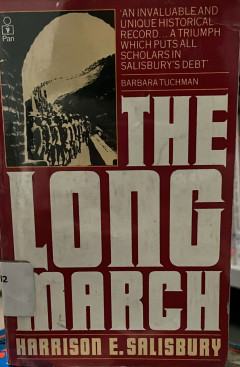
The Long march : The Untold story
By retracing the path, interviewing the survivors, and studying the archives, Salisbury chronicles the two-thousand-mile escape march from Chiang Kai-Shek in 1932 that marked the beginning of Chinese communism's rise to power under Mao Zedong.
- Edisi
- -
- ISBN/ISSN
- 9-780330-29451-5
- Deskripsi Fisik
- 419 pages : illustrations ; 20 cm
- Judul Seri
- -
- No. Panggil
- 951.04 SAL l
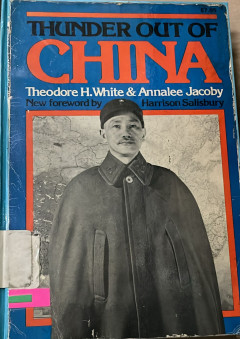
Thunder out of China
From the first outbreak of hostilities in northern China in 1937 to the Japanese surrender aboard the U.S.S. Missouri in 1945, this book recreates the decade of upheaval when China was caught in the grip of revolution and war and torn from its feudal past. The authors, Time-Life correspondents during the war years, report firsthand on the rise and fall of the Kuomintang nationalist government a…
- Edisi
- -
- ISBN/ISSN
- 0-306-80128-0
- Deskripsi Fisik
- viii, 331 pages : illustrations ; 21 cm
- Judul Seri
- -
- No. Panggil
- 951.042 WHI t

Years of trial turmoil and triumph : China from 1949 to 1988
This book is divided into four parts, following the course of China's social development. The first part looks back at how New China was founded, covering mainly the period from October 1949 to December 1956. The second part describes political and economic issues between January 1957 and April 1966. The third part gives an overall, systematic and accurate description of the ten-year "cultural…
- Edisi
- -
- ISBN/ISSN
- 0-8351-2261-1
- Deskripsi Fisik
- 319 pages : illustrations ; 21 cm
- Judul Seri
- -
- No. Panggil
- 951.04 HUA y
China : The People's republic, 1949-1976
This history of the People's Republic of China (1949-1976), the third and final volume in a major new history of modern China since 1840, offers a sweeping and penetrating account of a singular historical era During these pivotal decades, the Chinese struggled to find an alternative to the Soviet model of industrialization and to confront the awesome problems. of bureaucratization under the gu…
- Edisi
- -
- ISBN/ISSN
- 0-394-42873-0
- Deskripsi Fisik
- 255 pages ; 23 cm
- Judul Seri
- -
- No. Panggil
- 951.05 CHE c
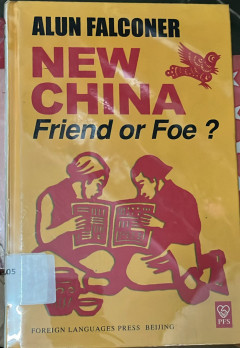
New China : Friend or foe?
New China: Friend or Foe? by Alun Falconer examines the political, economic, and strategic transformation of the People’s Republic of China in the modern era and evaluates its implications for the international community. The book explores China’s rapid economic growth, technological advancements, military modernization, and evolving global ambitions. Falconer analyzes how domestic policies…
- Edisi
- -
- ISBN/ISSN
- 7-119-03540-1
- Deskripsi Fisik
- xxi, 113 pages : illustrations ; 23 cm
- Judul Seri
- -
- No. Panggil
- 951.05 FAL n
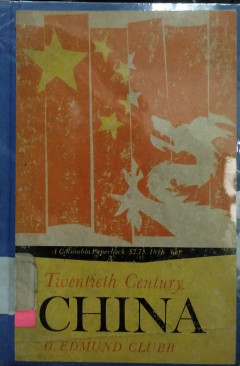
Twentieth century China
20th Century China by O. Edmund Clubb provides an analytical overview of China’s political, social, and diplomatic developments throughout the twentieth century. Written by a former U.S. Consul General in Peiping, the book offers firsthand insights into the transformation of China from imperial collapse to the rise of the People’s Republic. Clubb examines key events including the fall of th…
- Edisi
- -
- ISBN/ISSN
- -
- Deskripsi Fisik
- 470 pages ; 20,5 cm
- Judul Seri
- -
- No. Panggil
- 951.04 CLU t
 Karya Umum
  Filsafat
  Agama
Agama  Ilmu-ilmu Sosial
  Bahasa
  Ilmu-ilmu Murni
  Ilmu-ilmu Terapan
  Kesenian, Hiburan, dan Olahraga
  Kesusastraan
  Geografi dan Sejarah