Ditapis dengan
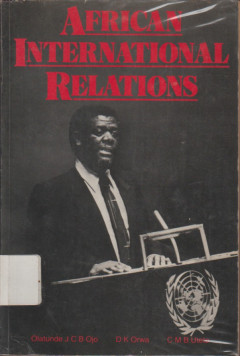
African international relations
African International Relations is a comprehensive study of the international relations of African countries since independence in the 1960s. This book examines political dynamics, economic conditions, diplomatic relations, and development challenges in African countries within the context of the international system. The authors highlight the role of great powers, economic interdependence, dev…
- Edisi
- -
- ISBN/ISSN
- 0-582-64393-7
- Deskripsi Fisik
- v, 186 pages : illustration ; 23 cm
- Judul Seri
- -
- No. Panggil
- 327.096 OJO a
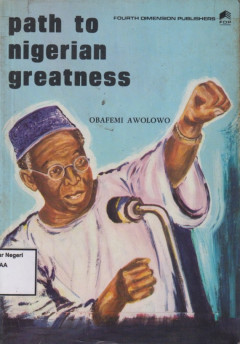
Path to Nigerian greatness
This book presents Chief Obafemi Awolowo’s reflections on the political, economic, and social foundations necessary for achieving national greatness in Nigeria. Drawing from his experience as a statesman, philosopher, and nationalist leader, Awolowo outlines the principles of ethical governance, federalism, economic planning, and social justice. The work explores Nigeria’s challenges and op…
- Edisi
- -
- ISBN/ISSN
- 978-156-166-1
- Deskripsi Fisik
- ix, 225 pages ; 21 cm
- Judul Seri
- -
- No. Panggil
- 320.9669 AWO p
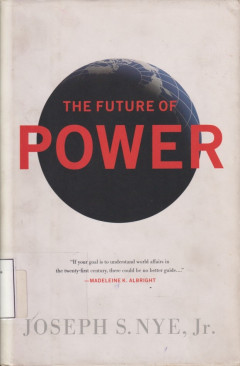
The Future of power
This book examines the changing dynamics of power in the era of globalization and information technology. Joseph S. Nye Jr., the figure who introduced the concept of "soft power," describes how traditional forms of power are shifting due to economic power, information flows, and global networks. Nye believes that the future of international relations will no longer be determined solely by milit…
- Edisi
- -
- ISBN/ISSN
- 978-1-58648-891-8
- Deskripsi Fisik
- xviii, 300 pages : illustration ; 24 cm
- Judul Seri
- -
- No. Panggil
- 303.33 NYE f

Collective leadership and factionalism: An Essay on Ho Chi Minh’s legacy
This book provides a scholarly examination of the legacy of Ho Chi Minh through the lens of collective leadership and internal factionalism within the Vietnamese Communist Party. Thai Quang Trung analyzes how leadership structures shaped political decision-making in Vietnam during and after Ho Chi Minh’s era. The essay explores ideological divisions, struggles between political factions, and …
- Edisi
- -
- ISBN/ISSN
- 9971-988-01-1
- Deskripsi Fisik
- viii, 136 pages ; 23 cm
- Judul Seri
- -
- No. Panggil
- 959.704092 THA c
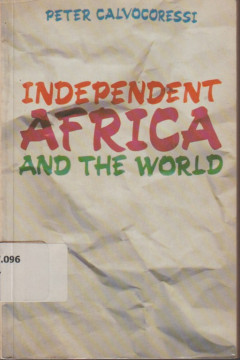
Independent Africa and the world
Peter Calvocoressi's "Independent Africa and the World" examines the political dynamics, international relations, and economic challenges of African countries after gaining independence in the 1960s. The book outlines how independent African states interacted with major world powers, the issue of economic dependency, internal political developments, and Africa's position in the modern internati…
- Edisi
- -
- ISBN/ISSN
- 0-582-29654-4
- Deskripsi Fisik
- 151 pages : illustration ; 20 cm
- Judul Seri
- -
- No. Panggil
- 327.096 CAL i
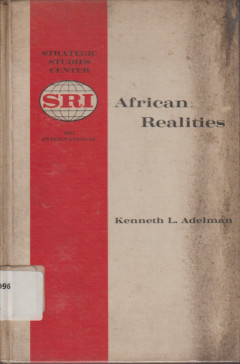
African realities
Kenneth L. Adelman's African Realities examines the dynamics of African politics and international relations in the post-independence period, particularly after 1960. The book highlights political changes in various African countries, development challenges, internal conflicts, and how African countries constructed new political identities in the context of the Cold War. Adelman also examines A…
- Edisi
- -
- ISBN/ISSN
- 0-8448-1376-1
- Deskripsi Fisik
- 170 pages ; 23,5 cm
- Judul Seri
- -
- No. Panggil
- 327.096 ADE a

Africa on the move: Proceedings of the international ideological conference, …
Africa on the Move is a collection of materials, speeches, and discussion results from the International Ideological Conference held by the Party–State of Guinea in Conakry from November 13–18, 1978. The conference discussed African political developments, revolutionary movements, the ideology of African socialism, and strategies for political and social development in post-independence Afr…
- Edisi
- -
- ISBN/ISSN
- -
- Deskripsi Fisik
- 271 pages ; 24 cm
- Judul Seri
- -
- No. Panggil
- 320.96 STA a
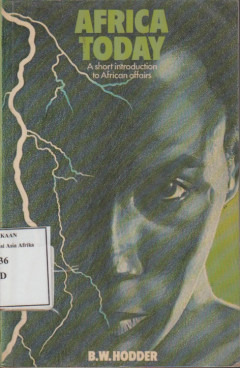
Africa today: A Short introduction to African affairs
B. W. Hodder's book, Africa Today, is a concise introduction to the political, social, and economic affairs of modern Africa. Hodder explains the major changes that have occurred in various African countries since the colonial era, including political dynamics, economic development, societal structures, and the challenges facing the continent. This book is intended for both general readers and …
- Edisi
- -
- ISBN/ISSN
- 0-416-71010-7
- Deskripsi Fisik
- ix, 166 pages : illustration ; 18,5 cm
- Judul Seri
- -
- No. Panggil
- 960.3 HOD a
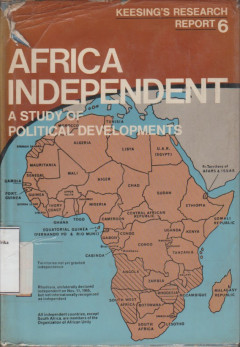
Africa independent: A Survey of political development
This book is a comprehensive research report on political developments in African countries after independence in the 20th century. Compiled by Keesing's Research Report, the book presents a summary of political events, changes in government, political party dynamics, internal conflicts, and the formation of state institutions in various African regions. Using an analytical and factual approach…
- Edisi
- -
- ISBN/ISSN
- 684-12532-3
- Deskripsi Fisik
- ix, 317 pages : illustration ; 21 cm
- Judul Seri
- -
- No. Panggil
- 320.96 KEE a

Legerdemain: The President's secret plan the bomb and what the french never knew
Legerdemain explores a hidden chapter of Cold War history involving Morocco’s struggle for independence and the covert operations conducted by the United States. Through detailed research, James J. Heaphy reveals President Eisenhower’s secret plan to influence events in North Africa, the role of nuclear deterrence strategies, and the intelligence operations that unfolded beyond the knowledg…
- Edisi
- Cetakan 1
- ISBN/ISSN
- 978-1-933909-36-3
- Deskripsi Fisik
- xvi, 297 pages : illustration ; 23 cm
- Judul Seri
- -
- No. Panggil
- 964.04 HEA l
 Karya Umum
  Filsafat
  Agama
Agama  Ilmu-ilmu Sosial
  Bahasa
  Ilmu-ilmu Murni
  Ilmu-ilmu Terapan
  Kesenian, Hiburan, dan Olahraga
  Kesusastraan
  Geografi dan Sejarah