Ditapis dengan
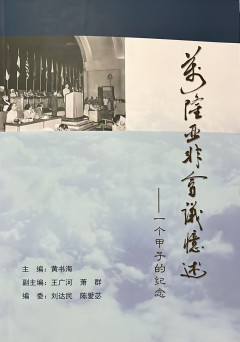
Dāng yuàn Yà–Fēi yánshuō yìshù
This book presents a collection of essays and personal recollections on the Asian-African Conference and the enduring legacy of Zhou Enlai in shaping China’s diplomacy during the mid-20th century. Through contributions from diplomats, scholars, journalists, and eyewitnesses, the book highlights the historical significance of the Bandung Conference, the challenges and achievements of China’s…
- Edisi
- -
- ISBN/ISSN
- -
- Deskripsi Fisik
- 192 pages : illustrations ; 24 cm
- Judul Seri
- -
- No. Panggil
- 327.5106 SHU d
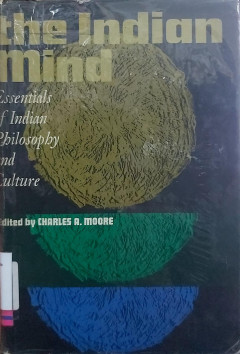
The Indian mind: Essentials of Indian philosophy and culture
The question, according to George P. Conger, noted authority on Indian philosophy, is not so much whether India can contribute as whether the West is ready to receive. Here, in selected essays from the Proceedings of the East-West Philosophers’ Conferences held during the last twenty-five years, is an examination by world authorities of one of the oldest, richest, most complicated, and mos…
- Edisi
- -
- ISBN/ISSN
- -
- Deskripsi Fisik
- xi, 458 pages ; 23 cm
- Judul Seri
- -
- No. Panggil
- 181.4 MOO i
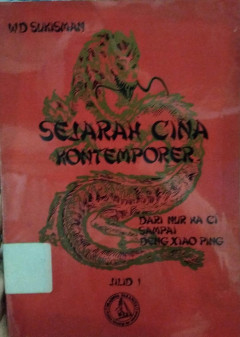
Selarah China kontemporere: Jilid 1
Sejarah Tiongkok Kontemporer, Volume 1 menelusuri perkembangan sejarah Tiongkok sejak kebangkitan Nurhaci dan berdirinya Dinasti Qing, melalui berbagai transformasi politik, sosial, dan militer yang mengarah ke era Deng Xiaoping. Ditulis oleh W. D. Sukisman, volume ini memberikan gambaran umum tentang perubahan-perubahan dinasti besar, pengaruh asing, konflik internal, gerakan revolusioner, dan…
- Edisi
- -
- ISBN/ISSN
- 979-408-317-8
- Deskripsi Fisik
- xiii, 180 halaman : Ilustrasi ; 20,8 cm
- Judul Seri
- -
- No. Panggil
- 951 SUK s
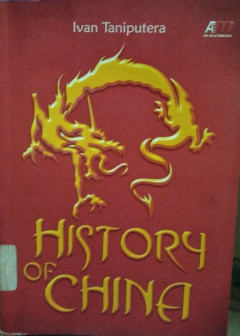
History of China
Sejarah Tiongkok karya Ivan Taniputera merupakan tinjauan komprehensif peradaban Tiongkok dari dinasti-dinasti awal hingga era modern. Buku ini mengeksplorasi perkembangan politik, budaya, ekonomi, dan sosial utama yang membentuk Tiongkok melalui berbagai periode sejarah. Buku ini mencakup kebangkitan dan kejatuhan dinasti, tradisi filsafat seperti Konfusianisme dan Taoisme, hubungan luar neger…
- Edisi
- -
- ISBN/ISSN
- 979-25-4465-8
- Deskripsi Fisik
- 693 halaman : Ilustrasi ; 22,2 cm
- Judul Seri
- -
- No. Panggil
- 951 TAN h
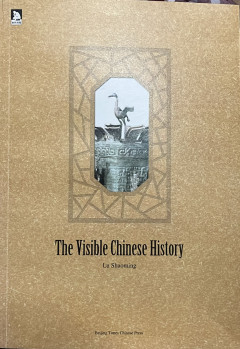
The Visible Chinese history
This book provides a comprehensive overview of the historical and cultural development of China from the Qin Dynasty to the Tang Dynasty. The first part focuses on the formation of the first centralized empire under the Qin, as well as the consolidation of institutions, the system of government, and the formation of a highly civilized society during the Han Dynasty. This book highlights nationa…
- Edisi
- -
- ISBN/ISSN
- 978-7-80769-399-4
- Deskripsi Fisik
- 360 pages : illustrations ; 24 cm
- Judul Seri
- -
- No. Panggil
- 738.0951 SHA v
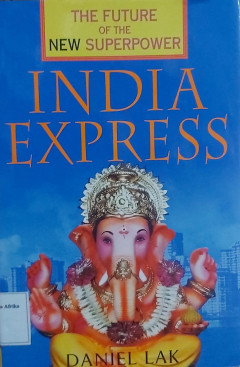
India express: The Future of the new superpower
“In his travels through South Asia, Lak always stayed off the path beaten by other foreign correspondents. No matter where he wandered in India, Pakistan and Nepal, Lak always delved deeper into the culture than the rest of us, coming back with unique insights and wonderful stories. He is a rarity among journalists—one who portrays his subjects with elegance, compassion and humor.” — T…
- Edisi
- -
- ISBN/ISSN
- 978-0-230-60783-5
- Deskripsi Fisik
- 264 pages : 24 cm
- Judul Seri
- -
- No. Panggil
- 116.954 LAK i
China
This book presents the long and rich history of Chinese civilization, from ancient myths and legends to the end of the imperial period and the establishment of the republic in 1912. The author describes the journey of Chinese civilization with lively narration, incorporating folklore, myths, and historical facts, providing a complete picture of how the Chinese people built their culture, govern…
- Edisi
- -
- ISBN/ISSN
- -
- Deskripsi Fisik
- 376 pages; 22 cm
- Judul Seri
- -
- No. Panggil
- 951 SEE c
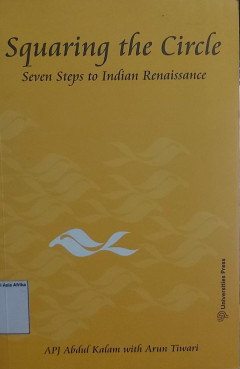
Squaring the circle: Seven steps to Indian Renaissance
The success of the IT industry and Indian human resources in global enterprises have made India a wealthy country. Even as the wealth has grown, the inequality has widened and many scams have surfaced. These were a logjam in Parliament and civil movements against corruption created an atmosphere of anarchy and distrust. Amidst his dissatisfaction with the current state of affairs, Dr Abdul Kala…
- Edisi
- -
- ISBN/ISSN
- 978-81-7371-891-5
- Deskripsi Fisik
- x, 277 pages : illustrations ; 24 cm
- Judul Seri
- -
- No. Panggil
- 129.954 KAL s
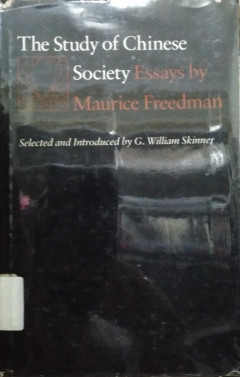
The Study of Chinese society: Essays by Maurice Freedman
The Study of Chinese Society is a collection of influential essays by anthropologist Maurice Freedman, selected and introduced by G. William Skinner. The book examines the social organization, kinship systems, lineage structures, and cultural patterns of traditional and modern Chinese communities. Freedman's work is foundational in the anthropology of China, offering key theoretical insights in…
- Edisi
- -
- ISBN/ISSN
- 0-8047-0964-5
- Deskripsi Fisik
- xxiv, 482 pages ; 23,5 cm
- Judul Seri
- -
- No. Panggil
- 951 SKI t

Indian philosophy
Indian Philosophy Volume II continues Sarvepalli Radhakrishnan's discussion of the major systems of Indian philosophy. This volume highlights the development of thought in the Nyaya, Vaisesika, Samkhya, Yoga, Purva Mimamsa, and Advaita Vedanta schools. Radhakrishnan explains the structure of logic, metaphysics, theory of knowledge, ethics, and the purpose of life according to various traditions…
- Edisi
- -
- ISBN/ISSN
- -
- Deskripsi Fisik
- 807 pages ; 22 cm
- Judul Seri
- Volume II
- No. Panggil
- 100.970 RAD i
 Karya Umum
  Filsafat
  Agama
Agama  Ilmu-ilmu Sosial
  Bahasa
  Ilmu-ilmu Murni
  Ilmu-ilmu Terapan
  Kesenian, Hiburan, dan Olahraga
  Kesusastraan
  Geografi dan Sejarah