Ditapis dengan
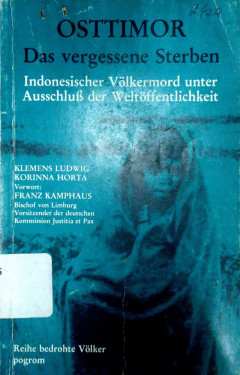
Osttimor - Das vergessene sterben
Osttimor – Das vergessene Sterben offers a powerful and unsettling account of the widespread violence and humanitarian catastrophe that unfolded in East Timor during Indonesia’s occupation. Klemens Ludwig and Korinna Horta draw upon eyewitness testimonies, human rights reports, and journalistic investigations to expose the systematic repression, forced displacement, and mass killings that w…
- Edisi
- -
- ISBN/ISSN
- 3-922197-16-7
- Deskripsi Fisik
- 149 pages : ilustrations ; 19 cm
- Judul Seri
- -
- No. Panggil
- 341.5 LUD o

Al-'ummaniyyun wal-malahah wat-tijarah wa nashrul-islam: Mundzu zhuhurihi ila…
This book examines the crucial role of the Omani nation in shipping, trade, and the spread of Islam from the early days of the religion to the arrival of the Portuguese in the Arabian coast and the Indian Ocean. Through in-depth historical analysis, the author illustrates how Omani sailors and merchants contributed significantly to opening maritime trade routes, establishing transregional econo…
- Edisi
- -
- ISBN/ISSN
- -
- Deskripsi Fisik
- 372 pages: 25 cm
- Judul Seri
- -
- No. Panggil
- 953.53 HAL a
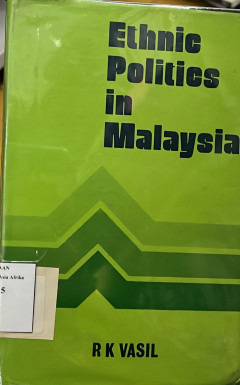
Ethnic politics in Malaysia
The book Ethnic Politics in Malaysia by R. K. Vasil examines the dynamics of communal and ethnic politics in post-independence Malaysia. Vasil explores how various ethnic groups (mainly Malay, Chinese, and Indian) interact within a pluralistic political system. He discusses power structures, the role of ethnic-based political parties, and the ways in which political elites build communal coalit…
- Edisi
- -
- ISBN/ISSN
- -
- Deskripsi Fisik
- xii, 234 pages ; 25 cm
- Judul Seri
- -
- No. Panggil
- 320.959 5 VAS e
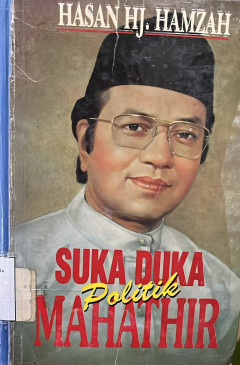
Suka duka politik Mahathir
This book highlights the political career of Dr. Mahathir Mohamad during his decade as Prime Minister of Malaysia, revealing the ups and downs he experienced as the country's leader. Hassan Hj. Hamzah describes Mahathir as a controversial figure: some see him as a dictator, but many also respect him as a hero of modernization. In this narrative, Hamzah examines the various political challenges,…
- Edisi
- -
- ISBN/ISSN
- 983-9683-05-5
- Deskripsi Fisik
- xv, 496 pages : ilustrations ; 25 cm
- Judul Seri
- -
- No. Panggil
- 320.959 5 HAM s
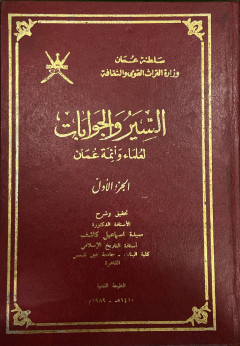
Al-siyar wa al-jawabāt li 'ulamā' wa a'immat 'Umān
Al-Siyar wa al-Jawabāt li ʿUlamāʾ wa Aʾimmat ʿUmān is a landmark compilation of correspondence, fatwas, religious responses, and legal guidance issued by Omani scholars and imams throughout various historical periods. It documents Ibadi fiqh thought, socio-religious views, and legal rulings that served as primary references in shaping Omani religious identity and traditional legal system…
- Edisi
- -
- ISBN/ISSN
- -
- Deskripsi Fisik
- 435 pages: 25 cm
- Judul Seri
- -
- No. Panggil
- 953.53 KHA a
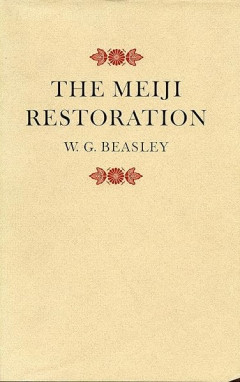
The Meiji restoration
A comprehensive and scholarly examination of the pivotal events of 1868 in Japan, when Imperial power was restored. He argues that the Restoration was not primarily driven by economic distress or class conflict, but by a rising sense of national danger and pride as Japan encountered Western powers. Nationalism motivated the overthrow of the Tokugawa shogunate and the re-unification of Japan und…
- Edisi
- -
- ISBN/ISSN
- 0-8047-0815-0
- Deskripsi Fisik
- 513 pages ; 24 cm
- Judul Seri
- -
- No. Panggil
- 952.031 BEA m
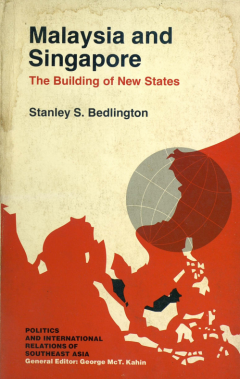
Malaysia and Singapore : The Building of New States
This concise and informed introduction to the way the Malaysian and Singapore governments work is based on the author’s unusual combination of academic training and professional field experience. Stanley Bedlington goes beyond a mere description of government institutions and political parties. He moves easily across various disciplines, including history, anthropology, sociology, and politic…
- Edisi
- -
- ISBN/ISSN
- 0-8014-0910-1
- Deskripsi Fisik
- 285 pages ; 25 cm
- Judul Seri
- -
- No. Panggil
- 320.959 5 BED m
Malaysian politics, 1968-1970 : Crisis and response part 2
This book analyzes the Malaysian political crisis between 1968 and 1970, particularly the riots of May 13, 1969. It highlights the communal tensions between Malays, Chinese, and Indians, as well as the impact of the 1969 elections on national stability. It also discusses the government's response, including the formation of the National Movement Council, and how the political elite maintained c…
- Edisi
- -
- ISBN/ISSN
- -
- Deskripsi Fisik
- 769 pages ; 20 cm
- Judul Seri
- -
- No. Panggil
- 320.959 5 BAS m
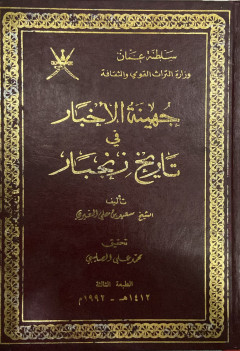
Juhainat al-Akhbar fi Tarikh Zanzibar
Juhainat al-Akhbar fi Tarikh Zanzibar is a seminal historical work that traces the long history of Zanzibar, particularly its close relationship with the Sultanate of Oman. Sheikh Said Ali bin Ali Al-Aghbari presents a rich historical account, covering the origins of Zanzibari's people, its social and political developments, and Oman's crucial role in shaping the region's cultural identity and …
- Edisi
- -
- ISBN/ISSN
- -
- Deskripsi Fisik
- 589 pages: 25 cm
- Judul Seri
- -
- No. Panggil
- 953.53 ALA j
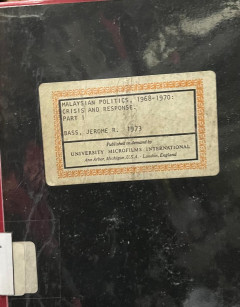
Malaysian politics, 1968-1970 : Crisis and response part 1
In this book, Jerome R. Bass investigates the political crisis in Malaysia between 1968 and 1970, a period marked by ethnic strife, communal tensions, and the collapse of traditional support for the ruling coalition. Bass examines the dynamics of the 1969 general election, the May 13 riots, and the institutional responses taken by Malaysia's political elite that subsequently reshaped the nation…
- Edisi
- -
- ISBN/ISSN
- -
- Deskripsi Fisik
- xv, 378 pages ; 20 cm
- Judul Seri
- -
- No. Panggil
- 320.959 5 BAS m
 Karya Umum
  Filsafat
  Agama
Agama  Ilmu-ilmu Sosial
  Bahasa
  Ilmu-ilmu Murni
  Ilmu-ilmu Terapan
  Kesenian, Hiburan, dan Olahraga
  Kesusastraan
  Geografi dan Sejarah