Ditapis dengan

Jawaharlal Nehru : A Biography, Volume II 1947-1956
The second volume of Sarvepalli Gopal's unique work covers the first nine years of Nehru's prime ministership. Like the first volume, it is more than a biography, describing and analyzing in detail both domestic and foreign issues of the period: the struggle between India and Pakistan for Kashmir, the first elections of free India based on adult suffrage, Korea, the Suez crisis, the invasion of…
- Edisi
- -
- ISBN/ISSN
- 0-674-47311-6
- Deskripsi Fisik
- 346 pages : illustrations ; 24 cm
- Judul Seri
- -
- No. Panggil
- 923.254 GOP j
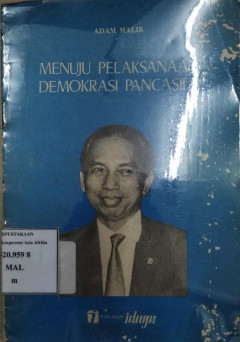
Menuju pelaksanaan demokrasi pancasila
Menuju Pelaksanaan Demokrasi Pancasila adalah kumpulan pemikiran dan pidato Adam Malik mengenai penerapan nilai-nilai Pancasila dalam kehidupan politik Indonesia. Buku ini memuat sambutan Adam Malik pada Kongres ke-II Himpunan Indonesia untuk Pengembangan Ilmu Sosial di Manado, 11–17 Desember 1977. Di dalamnya, Adam Malik menekankan pentingnya demokrasi yang berlandaskan Pancasila sebagai das…
- Edisi
- -
- ISBN/ISSN
- -
- Deskripsi Fisik
- 30 halaman ; 21 cm
- Judul Seri
- -
- No. Panggil
- 320.959 8 MAL m
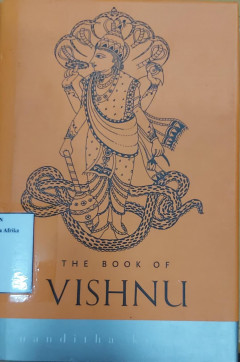
The Book of Vishnu
Vishnu, the Supreme Being, is the preserver and protector of the world, the guardian of dharma and the destroyer of evil. Seated on Ananta Shesha, the cosmic serpent, he watches over his devotees and rewards the righteous. Whenever dharma is threatened, Vishnu incarnates on earth to restore cosmic order. This book explores the origins, attributes, and roles of Vishnu, beginning with theories o…
- Edisi
- -
- ISBN/ISSN
- 0-67-004907-7
- Deskripsi Fisik
- 149 pages : illustrations ; 18 cm
- Judul Seri
- -
- No. Panggil
- 294.3 KRI b
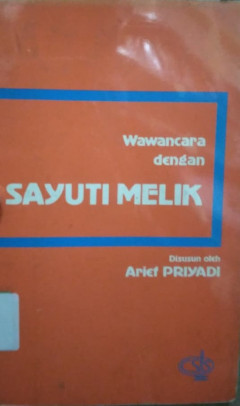
Wawancara dengan: Sayuti Melik
Buku ini merupakan hasil wawancara dan narasi pribadi Sayuti Melik mengenai peran dan pengalamannya dalam perjuangan kemerdekaan Indonesia, terutama selama periode Revolusi 1945–1949. Di dalamnya tercakup kisah, ingatan, dan refleksi Sayuti Melik tentang berbagai peristiwa penting: dari masa awal pergerakan kemerdekaan, keterlibatannya dalam aktivitas jurnalistik dan nasionalisme, hingga peri…
- Edisi
- Cetakan pertama
- ISBN/ISSN
- 979-8026-01-2
- Deskripsi Fisik
- xiv, 382 halaman ; 21,5 cm
- Judul Seri
- -
- No. Panggil
- 323.11598 MEL w

Komunisme di Indonesia. Jilid I: Perkembangan gerakan dan pengkhianatan komun…
Buku Komunisme di Indonesia Jilid I menyajikan kajian sejarah mengenai perkembangan gerakan komunis di Indonesia sejak awal abad ke-20 hingga peristiwa pengkhianatan PKI menjelang pemberontakan 1948. Disusun oleh tim penulis Pusat Sejarah TNI, buku ini menguraikan asal-usul ideologi komunis yang masuk ke Hindia Belanda, proses pembentukan organisasi, tokoh-tokohnya, infiltrasi politik, hingga d…
- Edisi
- -
- ISBN/ISSN
- 978-602-95565-2-0
- Deskripsi Fisik
- xi, 178 halaman : Ilustrasi ; 21 cm
- Judul Seri
- -
- No. Panggil
- 320.559 8 DJA k

Chinese art history: Zhōngguó yìshù shǐ
This textbook or reference book presents a comprehensive survey of the history of Chinese visual arts, spanning the period from the Neolithic to the 20th century. It covers the evolution of styles in painting, calligraphy, sculpture, ceramics, and architecture, highlighting important works, leading artists, and the philosophical and historical contexts that shaped China's unique and profound ar…
- Edisi
- 2
- ISBN/ISSN
- -
- Deskripsi Fisik
- 859 pages : illustrations ; 29 cm
- Judul Seri
- -
- No. Panggil
- 709.51 QIN c
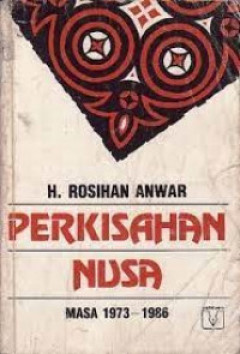
Perkisahan Nusa: Masa 1973-1986
Buku ini merangkum perjalanan politik, sosial, dan budaya Indonesia pada 1973–1986 melalui catatan sejarah dan refleksi kritis Rosihan Anwar. Penulis menyoroti dinamika pemerintahan Orde Baru, perubahan masyarakat, serta peristiwa nasional penting. Melalui gaya jurnalistik yang tajam, buku ini menawarkan gambaran bernilai tentang situasi Indonesia pada masa tersebut.
- Edisi
- -
- ISBN/ISSN
- -
- Deskripsi Fisik
- 233 halaman : ilustrasi ; 19 cm
- Judul Seri
- -
- No. Panggil
- 303.598 ANW p
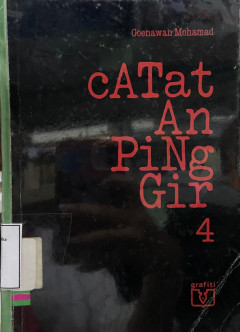
Catatan pinggir 4
Catatan Pinggir merupakan kumpulan esai pendek Goenawan Mohamad yang awalnya terbit sebagai kolom mingguan di majalah Tempo. Dalam gaya tulisan yang reflektif, puitis, dan sering bersifat kontemplatif, Goenawan mengangkat berbagai isu sosial, politik, budaya, sejarah, hingga filsafat. Setiap esai berdiri sendiri, namun bersama-sama menghadirkan potret pemikiran kritis mengenai peristiwa nasiona…
- Edisi
- -
- ISBN/ISSN
- 979-444-322-0
- Deskripsi Fisik
- xii, 472 halaman: ilustrasi; 21 cm
- Judul Seri
- -
- No. Panggil
- 081 MOH c
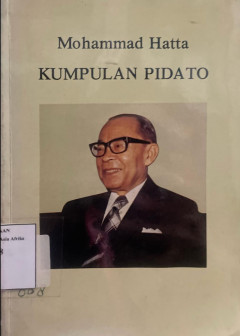
Mohammad Hatta: Kumpulan pidato
Mohammad Hatta: Kumpulan Pidato menyajikan rangkaian pidato penting dari Mohammad Hatta, salah satu Proklamator dan pemimpin bangsa Indonesia. Buku ini memuat pemikiran Hatta mengenai demokrasi, ekonomi kerakyatan, sistem politik, serta visi pembangunan nasional yang berkeadilan. Setiap pidato menggambarkan prinsip moral, rasionalitas politik, dan komitmen Hatta terhadap perjuangan kemerdekaan …
- Edisi
- -
- ISBN/ISSN
- -
- Deskripsi Fisik
- 332 halaman ; 21 cm
- Judul Seri
- -
- No. Panggil
- 320.508 WID m

Komunisme di Indonesia. Jilid II: Penumpasan pemberontakan PKI 1948
Buku Komunisme di Indonesia Jilid II: Penumpasan Pemberontakan PKI 1948 merupakan bagian dari serial sejarah resmi yang diterbitkan oleh Pusjarah TNI. Buku ini membahas secara mendalam peristiwa pemberontakan PKI di Madiun tahun 1948, termasuk latar belakang ideologi, tokoh-tokoh utama, dinamika politik nasional, serta langkah-langkah penumpasan yang dilakukan pemerintah dan TNI. Disusun oleh t…
- Edisi
- -
- ISBN/ISSN
- 978-602-95565-2-0
- Deskripsi Fisik
- xii, 254 halaman : Ilustrasi ; 21 cm
- Judul Seri
- -
- No. Panggil
- 320.559 8 DJA k
 Karya Umum
  Filsafat
  Agama
Agama  Ilmu-ilmu Sosial
  Bahasa
  Ilmu-ilmu Murni
  Ilmu-ilmu Terapan
  Kesenian, Hiburan, dan Olahraga
  Kesusastraan
  Geografi dan Sejarah