Ditapis dengan

Sikkim: The Hiddden fruitfull valley
This comprehensive guide explores the region of Sikkim, known as the "Hidden Fruitful Valley." It covers Sikkim's rich history, diverse culture, stunning geography (including mountains, flora, and fauna), and provides practical guidance for travelers. It serves as an in-depth introduction to the natural attractions, spirituality, and cultural heritage of this Indian state located in the Eastern…
- Edisi
- -
- ISBN/ISSN
- 978 81 7234 170 1
- Deskripsi Fisik
- 167 pages : illustrations ; 30 cm
- Judul Seri
- -
- No. Panggil
- 915.4169 DOM s
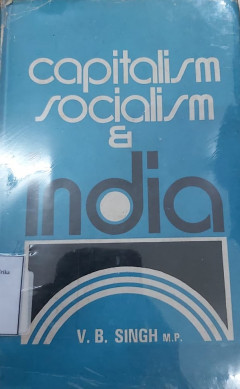
Capitalism, socialism and India
The book makes a comparative study of the two competitive systems—capitalism and socialism—and shows the irrelevance of the former and the relevance of the latter to India. Capitalism is discussed in its three phases: birth, growth and decay. Socialism is described as a system promising a happy and prosperous future for the teeming millions of the world. There may be various models of so…
- Edisi
- -
- ISBN/ISSN
- 85655-176-7
- Deskripsi Fisik
- 117 pages ; 22 cm
- Judul Seri
- -
- No. Panggil
- 330.954 SIN c
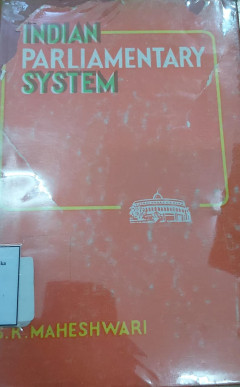
Indian parliamentary system
India is currently debating the most appropriate form of polity for its stage of development and aspirations. Having operated a parliamentary polity for nearly a generation, the nation is reassessing this system in light of emerging political needs. This book examines why the debate on political models has arisen, whether the perceived shortcomings stem from leadership, constitutional provision…
- Edisi
- -
- ISBN/ISSN
- -
- Deskripsi Fisik
- ix, 121 pages ; 22 cm
- Judul Seri
- -
- No. Panggil
- 328.5402 MAH i
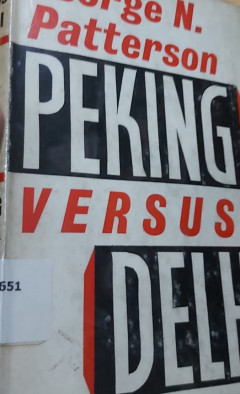
Peking versus Delhi
When India and China emerged with new governments, new leaders, and new policies, it soon became evident that their conflicting interests would draw them into confrontation. For over a decade, their manoeuvres for leadership in Asia intensified as India struggled for survival while China advanced rapidly. This book explores the background of the Sino-Indian conflict: where India’s policies…
- Edisi
- -
- ISBN/ISSN
- -
- Deskripsi Fisik
- 310 pages ; 22 cm
- Judul Seri
- -
- No. Panggil
- 327.54 PAT p

The coup attempt of the "september 30 movement" in Indonesia
Karya ini menyajikan narasi resmi pemerintah Indonesia mengenai peristiwa tragis Gerakan 30 September (G30S) yang terjadi pada tahun 1965. Ditulis dari perspektif institusi militer dan pemerintahan pada saat itu, buku ini bertujuan untuk memberikan penjelasan detail mengenai latar belakang, kronologi, dan motivasi di balik upaya kudeta tersebut, yang secara resmi diatribusikan sebagai gerakan y…
- Edisi
- Edisi pertama
- ISBN/ISSN
- 979-407-111-5
- Deskripsi Fisik
- vii, 249 pages ; 18,5 cm
- Judul Seri
- -
- No. Panggil
- 322.42 NOT c
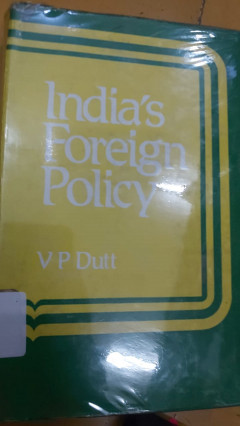
India's foreign policy
The book analyzes India’s foreign policy amid shifting regional and global dynamics. It examines India’s fluctuating relationship with Pakistan, the stalemate in Afghanistan, ethnic conflict in Sri Lanka, and the cautious improvement in relations with China. It discusses new developments in South-East Asia, confusion in Gulf and West Asian politics including the Iran–Iraq war, and Indi…
- Edisi
- -
- ISBN/ISSN
- 0-7069-3310-9
- Deskripsi Fisik
- xiii, 523 pages ; 21,5 cm
- Judul Seri
- -
- No. Panggil
- 327.54 DUT i
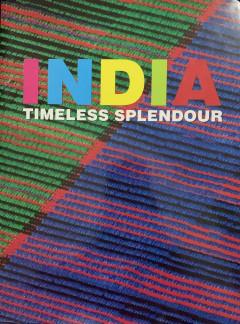
India timeless splendour
A lavishly illustrated book showcasing India's timeless beauty, cultural heritage, rich history, and diverse geography. Covering various aspects of life, ancient architecture, sacred sites, traditions, people, and natural wonders, this book presents a comprehensive overview of India's allure and splendor, aimed at promoting culture and travel.
- Edisi
- -
- ISBN/ISSN
- 81-901075-5-0
- Deskripsi Fisik
- 189 pages : illustrations ; 32 cm
- Judul Seri
- -
- No. Panggil
- 915.4 UBE i
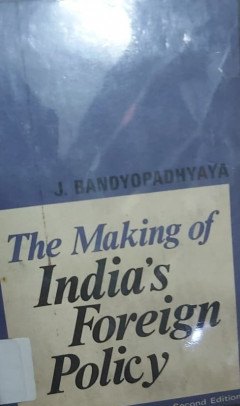
The Making of India's foreign policy
In this second revised edition, the author incorporates political, strategic, economic, and other developments in India and the world since 1970 that significantly affect India’s foreign policy. The book critically examines the ends and means of Indian foreign policy, its basic determinants, the political institutions shaping it, the functioning of the Ministry of External Affairs, and the pe…
- Edisi
- -
- ISBN/ISSN
- -
- Deskripsi Fisik
- xiii, 361 pages ; 21,5 cm
- Judul Seri
- -
- No. Panggil
- 327.35 BAN m
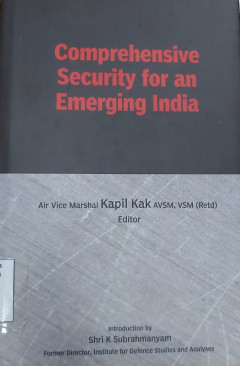
Comprehensive security for an emerging India
This volume objectively evaluates the headwinds of comprehensive security challenges that India would confront in the years ahead. Over nearly two decades, India has made successful transitions to ‘emerge’ on the regional and global scene, but informed and reasoned analyses of the multi-dimensional dangers that loom large, and the common opportunities available, have been lacking. This lacu…
- Edisi
- -
- ISBN/ISSN
- 978-93-80502-30-4
- Deskripsi Fisik
- xviii, 394 pages ; 23,5 cm
- Judul Seri
- -
- No. Panggil
- 327.3 KAK c

Pax Indica: India and the world of the 21st century
"Indian diplomacy," a veteran diplomat told Shashi Tharoor many years ago, "is like the love-making of an elephant; it is conducted at a very high level, accompanied by much bellowing, and the results are not known for two years."
- Edisi
- -
- ISBN/ISSN
- 9780670085743
- Deskripsi Fisik
- 449 pages ; 23,5 cm
- Judul Seri
- -
- No. Panggil
- 327.540905 THA p
 Karya Umum
  Filsafat
  Agama
Agama  Ilmu-ilmu Sosial
  Bahasa
  Ilmu-ilmu Murni
  Ilmu-ilmu Terapan
  Kesenian, Hiburan, dan Olahraga
  Kesusastraan
  Geografi dan Sejarah