Ditapis dengan
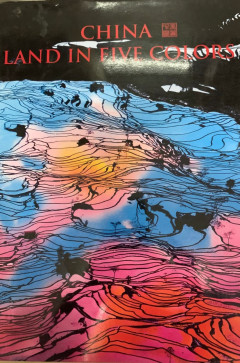
China land in five colors
This photography book showcases China's stunning natural beauty and rich cultural heritage, seen through five main themes or themes. The collection captures a diverse geography, from dramatic mountain landscapes and vast deserts to rivers and historic sites, highlighting the rich traditions and traditions of the people of various regions.
- Edisi
- -
- ISBN/ISSN
- 978-7-5051-2875-0
- Deskripsi Fisik
- 275 pages : illustrations ; 33 cm
- Judul Seri
- -
- No. Panggil
- 910.151 HUA c
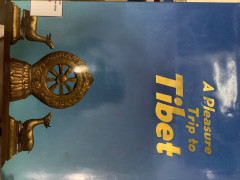
A Pleasure trip to Tibet
This travel guide offers a fun and informative guide to exploring Tibet. It covers historical sites like the Potala Palace and important monasteries, the stunning natural landscapes of the highlands, and provides in-depth insights into Tibetan customs, daily life, and Buddhist practices. It is designed for travelers seeking an immersive experience on the "Roof of the World."
- Edisi
- -
- ISBN/ISSN
- 7-80017-153-YJ.47
- Deskripsi Fisik
- 110 pages : illustrations ; 29 cm
- Judul Seri
- -
- No. Panggil
- 910.515 CHE p
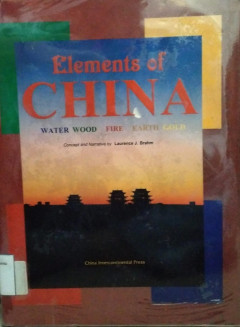
Elements of China: water, wood, fire, earth, gold
This visually rich cultural volume introduces readers to the Five Elements—Water, Wood, Fire, Earth, and Gold—which form the symbolic foundation of traditional Chinese philosophy, aesthetics, and identity. Laurence J. Brahm explores how these elements have shaped China’s history, architecture, arts, lifestyles, beliefs, and environmental perspectives. Through narrative and imagery, the bo…
- Edisi
- -
- ISBN/ISSN
- 7-5085-0045-8
- Deskripsi Fisik
- 203 pages : Ilustrations ; 29,5 cm
- Judul Seri
- -
- No. Panggil
- 951 BRA e

Elements of China: Water, wood, fire, earth, gold
This stunning photo collection explores China's geography, culture, and heritage through the lens of the Five Elements (Wu Xing) philosophy: water, wood, fire, earth, and gold (metal). Each section is dedicated to a single element, showcasing how that element manifests in the Chinese landscape, traditional architecture, art, and everyday life, providing a unique visual understanding of the rela…
- Edisi
- -
- ISBN/ISSN
- 978-7-5085-1392-8
- Deskripsi Fisik
- 237 pages : illustrations ; 33 cm
- Judul Seri
- -
- No. Panggil
- 910.51 BRA e
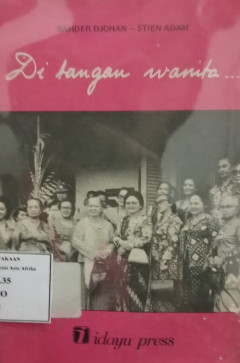
Di Tangan wanita
Buku Di Tangan Wanita menyoroti peran penting perempuan dalam keluarga dan masyarakat, menekankan bahwa kemajuan bangsa sangat dipengaruhi oleh pendidikan, moral, dan kemampuan wanita dalam membentuk generasi. Buku ini mengajak pembaca memahami bahwa keberhasilan pembangunan dimulai dari kualitas perempuan sebagai pendidik pertama dalam kehidupan.
- Edisi
- -
- ISBN/ISSN
- -
- Deskripsi Fisik
- 40 halaman ; 20 cm
- Judul Seri
- -
- No. Panggil
- 305.35 DJO t
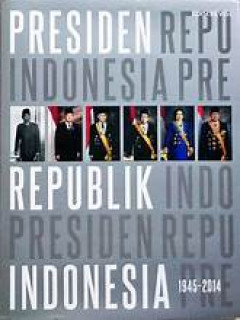
Presiden Repubik Indonesia
Buku ini menyajikan biografi kolektif para Presiden Republik Indonesia mulai dari periode 1945 hingga 2014, mencakup Soekarno, Soeharto, B.J. Habibie, Abdurrahman Wahid, Megawati Soekarnoputri, dan Susilo Bambang Yudhoyono.
- Edisi
- Cetakan pertama
- ISBN/ISSN
- 978-602-282-733-7
- Deskripsi Fisik
- 298 halaman : ilustrasi ; 29 cm
- Judul Seri
- -
- No. Panggil
- 321.8042 POU p
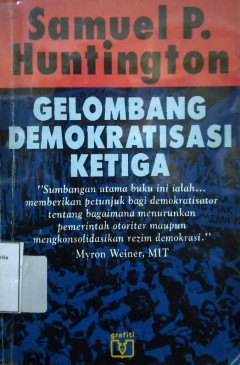
Gelombang demokratisasi ketiga
Buku ini menganalisis fenomena gelombang demokratisasi ketiga yang melanda dunia sejak tahun 1974. Samuel P. Huntington mengidentifikasi penyebab, proses, dan tantangan transisi dari rezim otoriter menuju sistem pemerintahan demokratis, serta faktor-faktor yang mempengaruhi keberhasilan (konsolidasi) atau kegagalan (gelombang balik) demokrasi di berbagai negara.
- Edisi
- -
- ISBN/ISSN
- 979-444-329-8
- Deskripsi Fisik
- xx, 439 halaman ; 20,5 cm
- Judul Seri
- -
- No. Panggil
- 321.8 HUN g
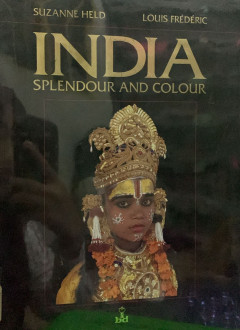
India; Splendour and colour
This stunning coffee-table book showcases the beauty, diversity, and splendor of India through high-quality photography. It celebrates its cultural heritage, vibrant festivals, contrasting landscapes, and everyday life. Visually, it presents the full spectrum of life on the subcontinent, from ancient architecture to colorful textiles, providing a vibrant and captivating picture of India.
- Edisi
- -
- ISBN/ISSN
- 81-7310-111-6
- Deskripsi Fisik
- 237 pages : illustrations ; 31 cm
- Judul Seri
- -
- No. Panggil
- 954 FRE i
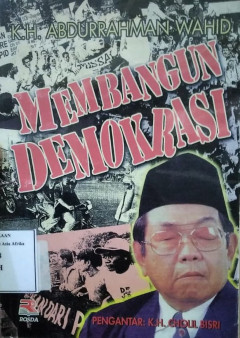
Membangun demokrasi
Buku ini merupakan kumpulan tulisan K.H. Abdurrahman Wahid (Gus Dur) yang memuat pemikirannya tentang demokrasi dalam konteks Indonesia. Pembahasan mencakup persinggungan antara agama dan negara, pentingnya kebebasan dan toleransi dalam beragama, proses demokratisasi, Pemilu, serta upaya pembentukan solidaritas sosial di tengah isu-isu kebangsaan.
- Edisi
- Cetaakan kedua
- ISBN/ISSN
- 979-514-913-x
- Deskripsi Fisik
- xii, 155 halaman : ilustrasi ; 21 cm
- Judul Seri
- -
- No. Panggil
- 321.8 WAH m
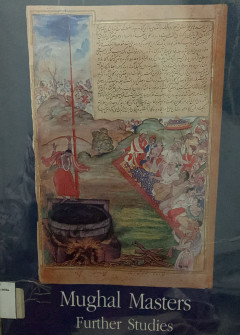
Mughal masters: Further studies
This book is a collection of articles contributed by experts, continuing the in-depth study of art and artists during the Mughal Empire in India. The discussion focuses on various aspects of Mughal art, particularly miniature painting, identifying and analyzing the styles, techniques, and contributions of the period's leading masters. The book provides additional insights into the development a…
- Edisi
- -
- ISBN/ISSN
- 81-85026-40-8
- Deskripsi Fisik
- 148 pages : illustrations ; 33 cm
- Judul Seri
- -
- No. Panggil
- 759.954 DAS m
 Karya Umum
  Filsafat
  Agama
Agama  Ilmu-ilmu Sosial
  Bahasa
  Ilmu-ilmu Murni
  Ilmu-ilmu Terapan
  Kesenian, Hiburan, dan Olahraga
  Kesusastraan
  Geografi dan Sejarah