Ditapis dengan
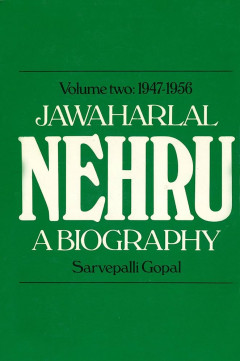
Jawaharlal Nehru : A Biography, Volume II 1947-1956
The second volume of Sarvepalli Gopal's remarkable work covers the first nine years of Nehru's prime ministership. Like the first volume, it is more than a biography, describing and analysing in detail both domestic and foreign issues of the period: the struggle between India and Pakistan for Kashmir, the first elections of free India based on adult suffrage; Korea, the Suez crisis, the invasio…
- Edisi
- -
- ISBN/ISSN
- -
- Deskripsi Fisik
- 346 pages : illustrations ; 23 cm
- Judul Seri
- -
- No. Panggil
- 923.54 GOP j

Seminar pantjasila ke:1: 16 pebruari s/d 20 pebruari '59 di Jogjakarta
Pembahasan ilmiah tentang dasar negara Pancasila yang diselenggarakan oleh para akademisi, tokoh politik, dan pemimpin masyarakat. Seminar ini membahas makna filosofis tiap sila, relevansinya bagi pembangunan bangsa, serta penerapannya dalam kehidupan bernegara pada masa Demokrasi Terpimpin. Karya ini mendokumentasikan gagasan awal tentang pembentukan karakter nasional, penegasan identitas ideo…
- Edisi
- -
- ISBN/ISSN
- -
- Deskripsi Fisik
- 222 halaman : ilustrasi ; 20,5 cm
- Judul Seri
- -
- No. Panggil
- 320.5 TIM s
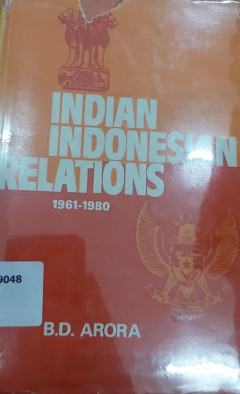
Indian Indonesia relations: 1961-1980
Inspired by centuries of mutual political, commercial, and cultural relations, and against the background of India’s spontaneous support during the Dutch–Indonesian struggle, this study examines the interaction of India and Indonesia from 1961 to 1980. While the early years reflected mutual goodwill and cooperation, later decades showed limitations, differing priorities, and ideological div…
- Edisi
- -
- ISBN/ISSN
- -
- Deskripsi Fisik
- xx, 371 pages ; 22 cm
- Judul Seri
- -
- No. Panggil
- 327.5405 ARO i
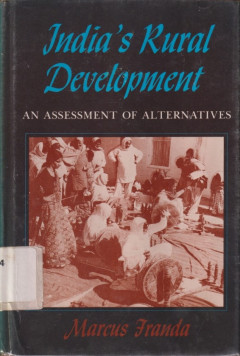
India's rural development : An Assessment of alternatives
India’s Rural Development: An Assessment of Alternatives examines the various strategies, programs, and policy approaches that have shaped rural development in India. Marcus Franda analyzes governmental initiatives, community-based projects, agricultural reforms, and rural modernization efforts from both economic and political perspectives. The book evaluates the successes and limitations of …
- Edisi
- -
- ISBN/ISSN
- 0-253-33832-9
- Deskripsi Fisik
- ix, 306 pages ; 21,5 cm
- Judul Seri
- -
- No. Panggil
- 338.954 FRA i

Nuclear India: Volume II
This first volume of Nuclear India by J. P. Jain provides an in-depth introduction to the origins, development, and strategic foundations of India’s nuclear program. The book examines India’s political motivations, scientific progress, and security concerns within the regional and global context. Jain discusses historical milestones, policy debates, technological challenges, and India’s p…
- Edisi
- -
- ISBN/ISSN
- -
- Deskripsi Fisik
- vxvii, 440 pages ; 22 cm
- Judul Seri
- -
- No. Panggil
- 355.0217 JAI n

Nuclear India: Volume II
This volume of Nuclear India by J. P. Jain explores India’s evolving nuclear policy, strategic motivations, and defense considerations. The author examines the historical development of India’s nuclear program, technological capabilities, and the geopolitical pressures influencing national security decisions. The book analyzes regional tensions in South Asia, global nuclear diplomacy, and I…
- Edisi
- -
- ISBN/ISSN
- -
- Deskripsi Fisik
- vxvii, 440 pages ; 22 cm
- Judul Seri
- -
- No. Panggil
- 355.0217 JAI n
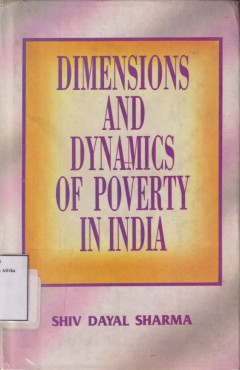
Dimensions and dynamics of poverty in India
Dimensions and Dynamics of Poverty in India provides an analytical study of the multiple forms, causes, and consequences of poverty across India. Shiv Dayal Sharma examines structural inequalities, economic disparities, and the socio-political factors that perpetuate poverty. The book discusses rural and urban poverty, employment issues, population pressures, and the limitations of government w…
- Edisi
- -
- ISBN/ISSN
- -
- Deskripsi Fisik
- x, 296 pages ; 22 cm
- Judul Seri
- -
- No. Panggil
- 339.46 SHA d
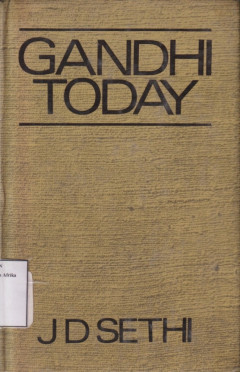
Gandhi Today
Gandhi Today examines the enduring relevance of Mahatma Gandhi’s ideas on nonviolence, social justice, and political transformation in contemporary society. J. D. Sethi discusses how Gandhian philosophy continues to influence modern political movements, social reform initiatives, and grassroots activism in India and beyond. The book highlights Gandhi’s perspectives on truth, moral leadershi…
- Edisi
- -
- ISBN/ISSN
- -
- Deskripsi Fisik
- 211 pages ; 22 cm
- Judul Seri
- -
- No. Panggil
- 320.55 SET g
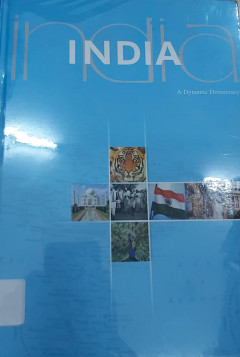
India: A Dynamic democracy
This publication presents an overview of India as a vibrant and dynamic democracy. Compiled by the External Publicity Division of the Ministry of External Affairs, it highlights India’s political system, democratic institutions, governance framework, cultural diversity, economic progress, and social development. The book showcases India’s achievements as the world’s largest democracy, …
- Edisi
- -
- ISBN/ISSN
- -
- Deskripsi Fisik
- 80 pages : illustrations ; 30,5 cm
- Judul Seri
- -
- No. Panggil
- 327 EXT i
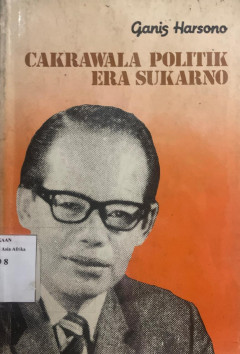
Cakrawala politik era Soekarno
Cakrawala Politik Era Soekarno mengulas dinamika politik Indonesia pada masa kepemimpinan Presiden Soekarno, periode yang ditandai oleh pergulatan ideologi, pembangunan nasional, dan perubahan besar dalam arah politik negara. Buku ini membahas transisi dari demokrasi parlementer menuju Demokrasi Terpimpin, peran Soekarno sebagai tokoh sentral dalam pembentukan identitas nasional, serta hubungan…
- Edisi
- 1
- ISBN/ISSN
- -
- Deskripsi Fisik
- vii, 216 halaman : ilustrasi ;21 cm
- Judul Seri
- -
- No. Panggil
- 320.959 HAR c
 Karya Umum
  Filsafat
  Agama
Agama  Ilmu-ilmu Sosial
  Bahasa
  Ilmu-ilmu Murni
  Ilmu-ilmu Terapan
  Kesenian, Hiburan, dan Olahraga
  Kesusastraan
  Geografi dan Sejarah