Ditapis dengan
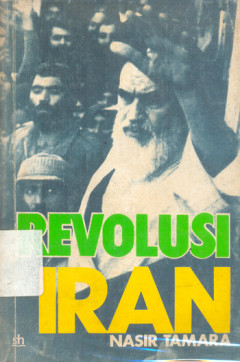
Revolusi Iran
Buku Revolusi Iran pertama kali terbit tahun 1980 dan hingga kini merupakan salah satu rujukan berbahasa Indonesia terpenting mengenai peris tiwa itu, sebagai karya sejarah objektif, tanpa sudut pandang sektarian. Selain karena telah banyak permintaan dan usul agar buku ini diterbitkan kembali, Iran tetaplah menjadi negara yang menonjol di Timur Tengah, dengan hubungan yang tak pernah putus den…
- Edisi
- 1
- ISBN/ISSN
- -
- Deskripsi Fisik
- xiv, 441 halaman : ilustrasi ;19 cm
- Judul Seri
- -
- No. Panggil
- 955.053 TAM r
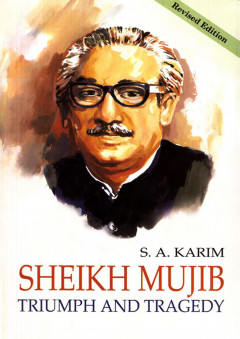
Sheikh Mujib: Triumph and tragedy
Writing an objective biography of Sheikh Mujibur Rahman, the only larger-than-life political figure of Muslim Bengal, is no easy task for a historian. In this well-researched book, Sayyid A. Karim has given a fascinating account of the life of Sheikh Mujib and makes an assessment of his legacy.Separating the man from the myth, the author has drawn a moving portrait of a heroic man who triumphed…
- Edisi
- -
- ISBN/ISSN
- 978 984 506 153 7
- Deskripsi Fisik
- xvi, 402 pages ; 22 cm
- Judul Seri
- -
- No. Panggil
- 954.92 KAR s

Prime minister I.K. Gujral: Challenges and expectations
This book provides an analytical biography of Inder Kumar Gujral, the 12th Prime Minister of India, focusing on his political philosophy, administrative approach, and diplomatic vision. It explores the challenges faced during his tenure, including coalition politics, foreign policy restructuring, and governance issues in a rapidly evolving India. The volume highlights the well-known “Gujral D…
- Edisi
- -
- ISBN/ISSN
- 81-86867-02-3
- Deskripsi Fisik
- 280 pages ; 22,5 cm
- Judul Seri
- -
- No. Panggil
- 954.053092 GAJ p
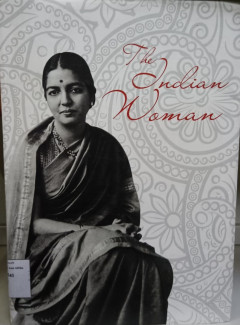
The Indian woman
An illustrated volume that explores the multifaceted identity, cultural presence, and social roles of women in India. Through a collection of photographs, essays, and visual narratives, the book highlights the beauty, resilience, traditions, and evolving lives of Indian women across regions and communities. Featuring themes ranging from daily life and artistic expression to heritage and modern…
- Edisi
- -
- ISBN/ISSN
- 978-81-8328-355-7
- Deskripsi Fisik
- xiii, 114 pages : illustrations ; 30,7 cm
- Judul Seri
- -
- No. Panggil
- 305.420954 IYE i

Parliament of a thousand tribes: Papua New Guinea the story of an emerging na…
Parliament of a Thousand Tribes: Papua New Guinea – The Story of an Emerging Nation is an in-depth study of Papua New Guinea's journey toward modern statehood amidst extraordinary ethnic diversity. It describes how more than a thousand tribes with distinct languages, customs, and identities built a shared political system after independence. Through historical narrative, socio-political analy…
- Edisi
- 3
- ISBN/ISSN
- -
- Deskripsi Fisik
- 273 pages; 18 cm
- Judul Seri
- -
- No. Panggil
- 959.88 WHI p

Universal message of the bgahavad gita: An Exposition of the gita in the ligh…
Swami Ranganathananda’s modern and philosophical exposition of the Bhagavad Gita. Written for contemporary readers, the book interprets the teachings of the Gita in relation to modern human needs, ethical challenges, and spiritual development. Swami Ranganathananda combines traditional Vedantic insights with practical reflections on daily life, social responsibility, and universal values. Thi…
- Edisi
- -
- ISBN/ISSN
- 81-7505-106-7
- Deskripsi Fisik
- 519 pages ; 22 cm
- Judul Seri
- -
- No. Panggil
- 294.5924 RAN u

The Poems of ancient Tamil: Their milieu and their sanskrit counterparts
The Poems of Ancient Tamil: Their Milieu and Their Sanskrit Counterparts offers an in-depth scholarly study of Tamil Sangam poetry, one of the world’s earliest and most refined literary traditions. George L. Hart III explores the cultural, social, and linguistic context in which ancient Tamil poems were produced, explaining their themes, imagery, and worldview. The book also compares Sangam l…
- Edisi
- -
- ISBN/ISSN
- 0-520-02796-2
- Deskripsi Fisik
- x, 308 pages ; 23,5 cm
- Judul Seri
- -
- No. Panggil
- 894.8111 HAR p
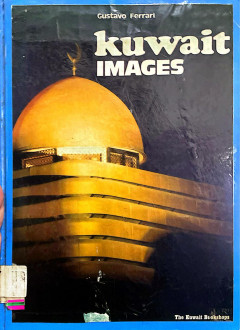
Kuwait Images
Gustavo Ferrari's Kuwait Images is a photography book that depicts the beauty, cultural richness, and dynamics of modern Kuwait through a series of stunning visuals. Using both a documentary and artistic approach, Ferrari captures a variety of landscapes—from deserts and beaches to iconic architecture—and social activities that reflect Kuwaiti identity. Each image presents a blend of tradit…
- Edisi
- 1
- ISBN/ISSN
- 84-499-6112-2
- Deskripsi Fisik
- 111 pages : illustrations ;33 cm
- Judul Seri
- -
- No. Panggil
- 953.6 FER k
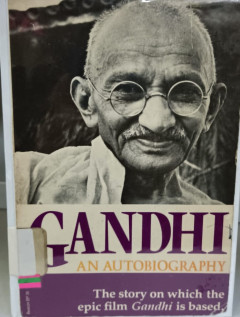
An Autobiography: The Story of my experiments with truth
The personal account of Mohandas K. Gandhi, recounting his life from childhood until 1921. Originally written in Gujarati and translated by Mahadev Desai, the book describes Gandhi’s moral, spiritual, and political evolution. It details his experiments with truth, nonviolence, self-discipline, simple living, and his early involvement in social reform and the Indian independence movement. As o…
- Edisi
- -
- ISBN/ISSN
- -
- Deskripsi Fisik
- xv, 528 pages ; 20,3 cm
- Judul Seri
- -
- No. Panggil
- 954.035092 GAN a
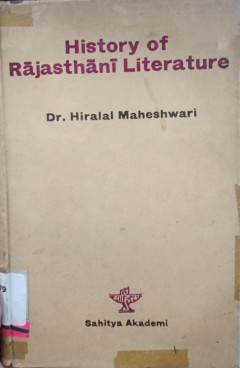
History of rajasthani literature
History of Rajasthani Literature by Dr. Hiralal Maheshwari offers a comprehensive and scholarly account of the evolution of Rajasthani literary tradition. The book traces the development of literature written in Rajasthani—from early medieval poetic compositions to modern literary forms—highlighting major poets, writers, genres, and cultural influences. Maheshwari explains the linguistic ba…
- Edisi
- -
- ISBN/ISSN
- -
- Deskripsi Fisik
- 287 pages ; 22 cm
- Judul Seri
- -
- No. Panggil
- 891.49309 MAH h
 Karya Umum
  Filsafat
  Agama
Agama  Ilmu-ilmu Sosial
  Bahasa
  Ilmu-ilmu Murni
  Ilmu-ilmu Terapan
  Kesenian, Hiburan, dan Olahraga
  Kesusastraan
  Geografi dan Sejarah