Ditapis dengan

Semua bisa diatur: Untaian wicara Adam Malik 1963-1984
Semua Bisa Diatur: Untaian Wicara Adam Malik 1963–1984 memuat kumpulan pidato, pernyataan, dan refleksi Adam Malik sepanjang kariernya sebagai diplomat, politisi, dan tokoh nasional. Buku ini menyoroti pandangannya mengenai dinamika politik Indonesia, hubungan luar negeri, pembangunan nasional, serta tantangan sosial–politik yang dihadapi bangsa pada masa Orde Baru. Melalui gaya tutur yang …
- Edisi
- -
- ISBN/ISSN
- -
- Deskripsi Fisik
- viii, 245 halaman ; 21 cm
- Judul Seri
- -
- No. Panggil
- 320.5 LEP s
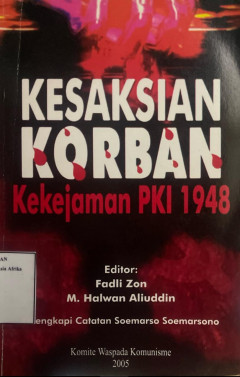
Kesaksian korban kekejaman PKI 1948
esaksian Korban Kekejaman PKI 1948 merupakan kumpulan cerita dan laporan yang mengungkap pengalaman langsung para korban dalam Peristiwa Madiun 1948. Buku ini menghadirkan testimoni yang menggambarkan berbagai bentuk kekerasan, penahanan, dan perlakuan tidak manusiawi yang dialami masyarakat akibat pemberontakan PKI. Melalui kisah-kisah pribadi yang dituturkan dengan jujur dan emosional, karya …
- Edisi
- 1
- ISBN/ISSN
- -
- Deskripsi Fisik
- viii, 123 halaman ; 20,5 cm
- Judul Seri
- -
- No. Panggil
- 320.5 ZON k
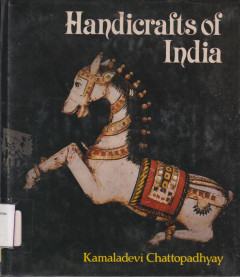
Handicrafts of India
Handicrafts of India by Kamaladevi Chattopadhyay is a comprehensive exploration of India’s rich and diverse craft traditions. Drawing on her deep engagement with artisan communities across the country, the author examines the history, techniques, regional styles, and cultural significance of traditional handicrafts. The book highlights textile arts, pottery, metalwork, woodcraft, jewelry, wea…
- Edisi
- -
- ISBN/ISSN
- -
- Deskripsi Fisik
- 175 pages : illustrations ; 25 cm
- Judul Seri
- -
- No. Panggil
- 745.40954 CHA h
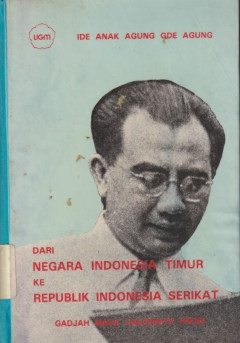
Dari Negara Indonesia Timur ke Republik Indonesia Serikat
Buku ini membahas proses perubahan bentuk kenegaraan Indonesia pada masa awal kemerdekaan, khususnya peralihan dari Negara Indonesia Timur (NIT) menuju pembentukan Republik Indonesia Serikat (RIS). Penulis menguraikan latar belakang politik, dinamika perundingan, serta hubungan antara pemerintah pusat dan daerah dalam kerangka federalisme yang diterapkan Belanda pada periode 1945–1950. Melalu…
- Edisi
- -
- ISBN/ISSN
- -
- Deskripsi Fisik
- viii, 860 halaman : ilustrasi ; 21 cm
- Judul Seri
- -
- No. Panggil
- 959.803 AGU d
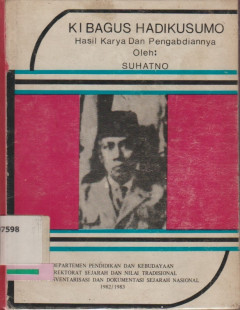
Ki Bagus Hadikusumo: Hasil karya dan pengabdiannya
Buku ini menyajikan biografi lengkap Ki Bagus Hadikusumo, seorang tokoh penting dalam sejarah Indonesia dan pimpinan Muhammadiyah yang berperan besar dalam perjuangan kemerdekaan. Melalui penelitian dokumenter, Suhatno menggambarkan perjalanan hidup, pemikiran, karya-karya, serta pengabdian Ki Bagus Hadikusumo dalam bidang keagamaan, pendidikan, dan nasionalisme. Buku ini juga memuat kontribusi…
- Edisi
- -
- ISBN/ISSN
- -
- Deskripsi Fisik
- 149 halaman ; 20 cm
- Judul Seri
- -
- No. Panggil
- 923.2598 SUH h
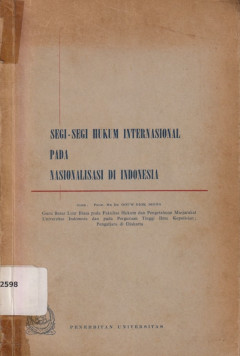
Segi-Segi Hukum Internasional pada Nasionalisasi di Indonesia
Buku ini membahas aspek-aspek hukum internasional yang terkait dengan proses nasionalisasi perusahaan asing di Indonesia. Prof. Mr. Dr. Gouw Giok Siong menguraikan dasar hukum, prinsip internasional, tanggung jawab negara, dan implikasi politik-ekonomi dari nasionalisasi. Karya ini menjadi salah satu referensi klasik dalam studi hukum internasional dan hukum ekonomi Indonesia pada periode pasca…
- Edisi
- -
- ISBN/ISSN
- -
- Deskripsi Fisik
- 236 halaman ; 24 cm
- Judul Seri
- -
- No. Panggil
- 340.2598 SIO s

Memenuhi panggilan tugas: jilid 5, kenangan masa orde lama
Buku Memenuhi Panggilan Tugas Jilid V merupakan bagian dari rangkaian autobiografi Jenderal Besar A.H. Nasution yang mendokumentasikan perjalanan hidup, pengalaman militer, dan perannya dalam dinamika politik Indonesia. Jilid ini secara khusus mengulas masa Orde Lama, termasuk hubungan militer dengan pemerintah, pergolakan politik nasional, serta peristiwa-peristiwa penting yang turut membentuk…
- Edisi
- -
- ISBN/ISSN
- -
- Deskripsi Fisik
- xiv, 510 halaman : ilustrasi ; 21 cm
- Judul Seri
- -
- No. Panggil
- 923.285 NAS m
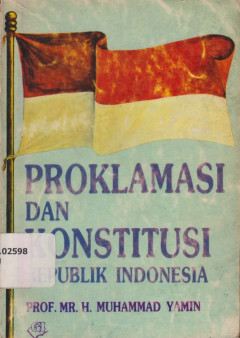
Proklamasi dan konstitusi Republik Indonesia
Buku ini menguraikan secara rinci proses sejarah Proklamasi Kemerdekaan Indonesia serta perkembangan Konstitusi Republik Indonesia sejak awal kemerdekaan. Muhammad Yamin membahas latar belakang politik, pembentukan naskah konstitusi, perdebatan penting dalam sidang-sidang perumus dasar negara, serta dinamika ketatanegaraan yang terjadi pada periode awal berdirinya Republik Indonesia. Buku ini m…
- Edisi
- -
- ISBN/ISSN
- -
- Deskripsi Fisik
- 214 halaman ; 20,5 cm
- Judul Seri
- -
- No. Panggil
- 342.02598 YAM p

Rangkaian melati: Ibu Tien Soeharto dalam pandangan dan kenangan para wanita
Buku ini merupakan himpunan kesan, pandangan, dan kenangan dari para perempuan Indonesia tentang Ibu Tien Soeharto, istri Presiden Soeharto. Melalui tulisan berbagai tokoh, buku ini menggambarkan keteladanan, kepedulian sosial, serta kiprah Ibu Tien dalam membangun berbagai kegiatan kemasyarakatan dan kebudayaan. Disusun oleh editor Abdul Gafur, buku ini memberi gambaran personal mengenai sosok…
- Edisi
- -
- ISBN/ISSN
- 978-602-8112-14-7
- Deskripsi Fisik
- xxii, 699 halaman : ilustrasi ; 23,5 cm
- Judul Seri
- -
- No. Panggil
- 920.72 GAF r

Hak-hak asasi manusia dalam masyarakat dunia
Buku ini membahas konsep dan perkembangan hak-hak asasi manusia dalam konteks masyarakat dunia. Disunting oleh T. Mulya Lubis dan diterjemahkan oleh Ahmad Setiawan Abadi, buku ini menghadirkan berbagai kajian mengenai hak sipil, hak politik, serta dinamika penerapan HAM dalam aturan internasional maupun nasional. Diterbitkan oleh Yayasan Obor Indonesia pada tahun 1993, buku ini menjadi rujukan …
- Edisi
- -
- ISBN/ISSN
- 979-461-133-6
- Deskripsi Fisik
- xxi, 325 halaman ; 21 cm
- Judul Seri
- -
- No. Panggil
- 342.085 LUB h
 Karya Umum
  Filsafat
  Agama
Agama  Ilmu-ilmu Sosial
  Bahasa
  Ilmu-ilmu Murni
  Ilmu-ilmu Terapan
  Kesenian, Hiburan, dan Olahraga
  Kesusastraan
  Geografi dan Sejarah