Ditapis dengan
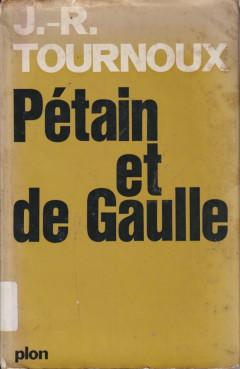
Pétain et De Gaulle
This book presents an in-depth study of two of the most influential and controversial figures in 20th-century French history: Philippe Pétain and Charles de Gaulle. Through his investigative style, J.-R. Tournoux depicts the relationships, ideological conflicts, differences in political vision, and the lives of these two figures who played a major role in World War I, World War II, and the pol…
- Edisi
- -
- ISBN/ISSN
- -
- Deskripsi Fisik
- 556 pages : illustration ; 23,5 cm
- Judul Seri
- -
- No. Panggil
- 944.081 TOU p
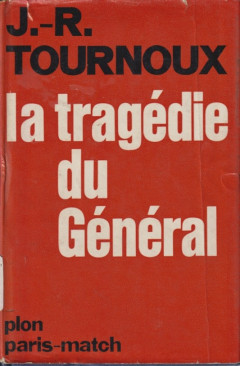
La tragédie du général
This book is an investigative work by J.-R. Tournoux, examining the life, political role, and conflicts surrounding a key general in modern French history. Using a documentary approach, Tournoux explores the political events, intrigues, and personal tragedies that shaped his journey. This book presents an in-depth look at the dynamics of power in 20th-century France, written by one of France's …
- Edisi
- -
- ISBN/ISSN
- -
- Deskripsi Fisik
- 697 pages ; 21 cm
- Judul Seri
- -
- No. Panggil
- 944.081 TOU l

A Bird’s-eye view of French history
This book presents a concise yet comprehensive overview of French history, written by historian René Sédillot and translated into English by Gerard Hopkins. Using an easy-to-follow narrative approach, the book traces the political, social, and cultural development of France from early times to the modern era. Its concise and systematic presentation provides a comprehensive understanding for r…
- Edisi
- -
- ISBN/ISSN
- -
- Deskripsi Fisik
- 336 pages : illustration ; 20 cm
- Judul Seri
- -
- No. Panggil
- 944 SED b

Histoire des relations internationales. Tome septième : Les crises du XXᵉ …
This seventh volume of the “Histoire des relations internationales” series examines the dynamics of international relations between 1914 and 1929, a period marked by the outbreak of World War I, major geopolitical changes, the collapse of old empires, and the emergence of new international security systems such as the League of Nations. Pierre Renouvin examines the causes of conflict, warti…
- Edisi
- -
- ISBN/ISSN
- -
- Deskripsi Fisik
- 369 pages : illustration ; 22 cm
- Judul Seri
- -
- No. Panggil
- 327.0904 REN h

Histoire des relations internationales. Tome cinquième : Le XIXᵉ siècle. …
This book is the fifth volume in the “Histoire des relations internationales” series written by Pierre Renouvin. In this volume, Renouvin examines the dynamics of international relations from 1815 to 1871, a period when Europe experienced the rise of nationalism, political restructuring after the Congress of Vienna, and the emergence of new powers on the international stage. The analysis co…
- Edisi
- -
- ISBN/ISSN
- -
- Deskripsi Fisik
- 421 pages : illustration ; 22 cm
- Judul Seri
- -
- No. Panggil
- 327.0903 REN h

Histoire des relations internationales. Tome troisième : Les Temps Modernes,…
This book is the third in the “Histoire des relations internationales” series, written under the direction of Pierre Renouvin. In this volume, Gaston Zeller examines the development of international relations from the reign of Louis XIV to the beginning of the French Revolution in 1789. The analysis covers the power politics of absolute monarchy, conflicts between European states, the dynam…
- Edisi
- -
- ISBN/ISSN
- -
- Deskripsi Fisik
- 326 pages : illustration ; 22 cm
- Judul Seri
- -
- No. Panggil
- 327.09033 REN h

Histoire des relations internationales. Tome premier, Le Moyen Âge
This book is the first volume of the “Histoire des relations internationales” series, written under the direction of Pierre Renouvin. François-L. Ganshof examines the development of international relations during the Middle Ages, from the collapse of the Roman Empire to the end of the Middle Ages. The analysis covers the political interactions between kingdoms, churches, and empires, as we…
- Edisi
- -
- ISBN/ISSN
- -
- Deskripsi Fisik
- xvii, 331 pages : illustration ; 22 cm
- Judul Seri
- -
- No. Panggil
- 940.1 REN h
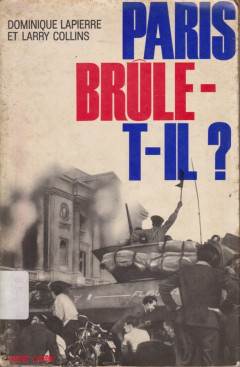
Paris brûle-t-il? : Histoire de la libération de Paris
This book chronicles the dramatic and detailed liberation of Paris from Nazi occupation on August 25, 1944. Dominique Lapierre and Larry Collins present a historical reconstruction based on interviews, military documents, and the testimonies of those involved. The narrative depicts the tensions between Allied forces, the French resistance, and the German plan to destroy the city before abandoni…
- Edisi
- -
- ISBN/ISSN
- -
- Deskripsi Fisik
- 449 pages : illustration ; 24 cm
- Judul Seri
- -
- No. Panggil
- 944.0816 LAP p

The era of the French revolution, 1789–1799: Ten years that shook the world
This book provides a comprehensive overview of the decade-long French Revolution that transformed the modern world. Leading historian Leo Gershoy examines the causes, political dynamics, social conflicts, and key figures who shaped the course of the revolution. With insightful and accessible analysis, this work demonstrates how the French Revolution was not only a turning point in French histor…
- Edisi
- -
- ISBN/ISSN
- -
- Deskripsi Fisik
- 190 pages ; 18 cm
- Judul Seri
- -
- No. Panggil
- 944.04 GER e

France: The Birth of the Fourth Republic
This book examines the birth of the French Fourth Republic after the end of World War II. Maurice Edelman outlines the key events that led to the fall of the Vichy regime, the rise of the liberation movement, and the political dynamics that shaped the new governmental structure. Using the popular writing style typical of the "Penguin Special" series, this book provides a clear picture of the po…
- Edisi
- -
- ISBN/ISSN
- -
- Deskripsi Fisik
- 122 pages ; 18 cm
- Judul Seri
- -
- No. Panggil
- 944.0816 EDE f
 Karya Umum
  Filsafat
  Agama
Agama  Ilmu-ilmu Sosial
  Bahasa
  Ilmu-ilmu Murni
  Ilmu-ilmu Terapan
  Kesenian, Hiburan, dan Olahraga
  Kesusastraan
  Geografi dan Sejarah