Ditapis dengan
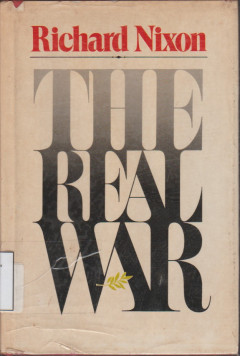
The Real war
The Real War is a global political and strategic analysis written by former US President Richard Nixon. In it, Nixon outlines his views on the geopolitical threats facing the United States during the Cold War, particularly the ideological and military rivalry with the Soviet Union. He emphasizes the need for a firm foreign policy, strengthened national defense, and realistic diplomacy to mainta…
- Edisi
- -
- ISBN/ISSN
- 0-446-51201-X
- Deskripsi Fisik
- 341 pages : illustration ; 23,5 cm
- Judul Seri
- -
- No. Panggil
- 327.73 NIX r
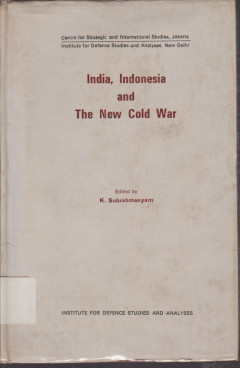
India, Indonesia and the new cold war
India, Indonesia, and the New Cold War, edited by K. Subrahmanyam, examines the dynamics of Asian politics and security during the early days of the “New Cold War” in the 1980s. It examines the strategic positions of India and Indonesia in the global arena, particularly in relation to foreign policy, regional security, and the relationship between the two countries in the face of tensions b…
- Edisi
- -
- ISBN/ISSN
- -
- Deskripsi Fisik
- 192 pages ; 25 cm
- Judul Seri
- -
- No. Panggil
- 327.17 SUB i
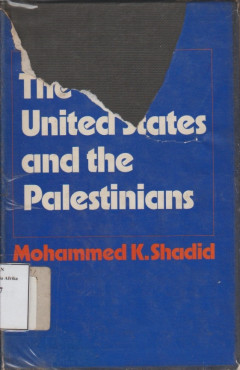
The United States and the Palestinians
This book analyzes the relationship between the United States and the Palestinian people in the context of Middle Eastern politics. Mohammed K. Shadid examines changes in American foreign policy over time, the influence of political lobbies, and the dynamics of US relations with Arab states and Israel. Using historical data, diplomatic policy, and political analysis, the book reveals how the Pa…
- Edisi
- -
- ISBN/ISSN
- 0-312-83315-6
- Deskripsi Fisik
- 252 pages : illustration ; 22 cm
- Judul Seri
- -
- No. Panggil
- 327.730 SHA u
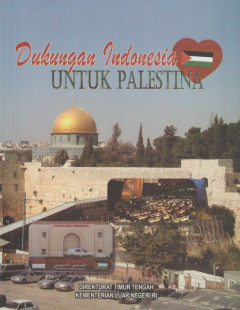
Dukungan Indonesia untuk Palestina
Buku ini disusun oleh Direktorat Timur Tengah Kementerian Luar Negeri Republik Indonesia sebagai dokumentasi komprehensif mengenai berbagai bentuk dukungan Indonesia terhadap perjuangan rakyat Palestina. Isinya mencakup kerangka kebijakan luar negeri Indonesia, dukungan politik di forum internasional, bantuan kemanusiaan melalui berbagai lembaga pemerintah dan non-pemerintah, serta peran masyar…
- Edisi
- -
- ISBN/ISSN
- -
- Deskripsi Fisik
- xiv, 130 pages : illustration ; 21 cm
- Judul Seri
- -
- No. Panggil
- 327.598 LES d
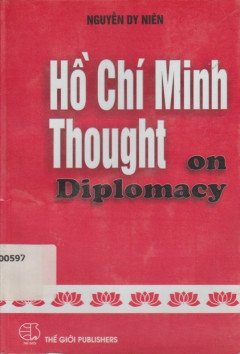
Hồ Chí Minh tought on diplomacy
Hồ Chí Minh Thought on Diplomacy presents an analytical overview of the diplomatic principles and strategies developed by Hồ Chí Minh throughout Vietnam’s struggle for national independence and international recognition. Written by Nguyễn Dy Niên, the book examines Hồ Chí Minh’s views on peaceful engagement, national self-determination, international solidarity, and the combinat…
- Edisi
- -
- ISBN/ISSN
- -
- Deskripsi Fisik
- 270 pages ; 20,1 cm
- Judul Seri
- -
- No. Panggil
- 327.09597 NGU h

Looking north to South-East Asia: The View from Australia
This volume examines Australia’s evolving perspectives toward the nations of South-East Asia during the mid-twentieth century. Bringing together analyses by multiple contributors, the book discusses political, strategic, economic, and diplomatic factors that shaped Australia’s regional outlook. It explores the historical context of Australia’s relationship with its northern neighbors, ass…
- Edisi
- -
- ISBN/ISSN
- 0-8248-0531-3
- Deskripsi Fisik
- x, 278 halaman ; 22 cm
- Judul Seri
- -
- No. Panggil
- 327.94059 WOL l

Links between Sri Lanka and The Netherlands: A Book of Dutch Ceylon
This work presents a historical overview of the connections between Sri Lanka and the Netherlands during the period of Dutch presence on the island. R. L. Brohier offers a detailed account of Dutch Ceylon, including the political, cultural, and economic influences of the Dutch administration. Through documented events, archival references, and descriptive narratives, the book highlights the lon…
- Edisi
- -
- ISBN/ISSN
- -
- Deskripsi Fisik
- 165 pages : illustration ; 28 cm
- Judul Seri
- -
- No. Panggil
- 954.93 BRO l
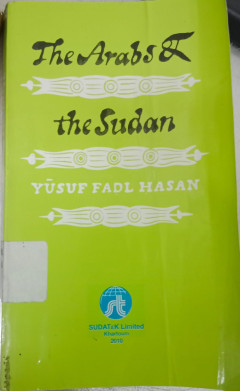
The Arabs and the Sudan: From the seventh to the early sixteenth century
This book is a detailed historical study of the cultural, political, and demographic impact of Arab migration into Sudan from the seventh to the early sixteenth century. Yusuf Fadl Hasan examines the earliest contacts between Arab groups and the Sudanese population, tracing how trade, intermarriage, and religious influence gradually shaped Sudanese society. The work explores the Islamization an…
- Edisi
- cet.5
- ISBN/ISSN
- 99942-815-4-2
- Deskripsi Fisik
- xi, 275 pages : illustration ; 22 cm
- Judul Seri
- -
- No. Panggil
- 962.4 HAS a

The Australian–American security relationship: A Regional and international…
This book examines the strategic, political, and diplomatic dimensions of the security relationship between Australia and the United States. It explores how regional dynamics, global geopolitical changes, and shared defense commitments shape bilateral cooperation. The author provides an in-depth analysis of alliance structures, policy developments, and the broader international environment infl…
- Edisi
- -
- ISBN/ISSN
- 0-7022-1630-5
- Deskripsi Fisik
- x, 257 pages ; 22,5 cm
- Judul Seri
- -
- No. Panggil
- 327.1 ALB a

Australia’s foreign relations in the world of the 1990s
This book examines Australia’s evolving foreign relations during the dynamic period of the 1990s. Gareth Evans and Bruce Grant explore Australia’s strategic interests, regional engagements, and global responsibilities at the end of the Cold War era. Through analysis of political, economic, and diplomatic developments, the authors highlight Australia’s role in shaping regional cooperation,…
- Edisi
- -
- ISBN/ISSN
- 0-522-84477-4
- Deskripsi Fisik
- xx, 389 pages ; 24,5 cm
- Judul Seri
- -
- No. Panggil
- 327.94 EVA a
 Karya Umum
 Filsafat
 Agama
 Ilmu-ilmu Sosial
 Bahasa
 Ilmu-ilmu Murni
 Ilmu-ilmu Terapan
 Kesenian, Hiburan, dan Olahraga
 Kesusastraan
 Geografi dan Sejarah