Ditapis dengan

Governing The American Republic: Economic, law, and policies
This textbook examines the foundations of the American political system, focusing on the interaction between economics, law, and public policy. Written by Alan Stone and Richard P. Barke, the book provides an analytical overview of U.S. governmental structures, constitutional principles, policymaking processes, and the economic forces shaping political decisions. It serves as a comprehensive in…
- Edisi
- -
- ISBN/ISSN
- 0-312-34108-3
- Deskripsi Fisik
- 526 pages; 24 cm
- Judul Seri
- -
- No. Panggil
- 970 STO g
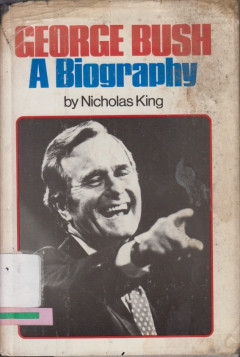
George Bush: A Biography
This biography by Nicholas King provides an overview of the early life, military service, political career, and personal background of George H. W. Bush, who later became the 41st President of the United States. The book examines Bush’s rise through public service, including his roles in Congress, diplomacy, intelligence leadership, and the vice presidency. It presents a clear and accessible …
- Edisi
- -
- ISBN/ISSN
- 0-396-07919-9
- Deskripsi Fisik
- xii, 146 pages : illustrations ; 21,5 cm
- Judul Seri
- -
- No. Panggil
- 973.927092 KIN g
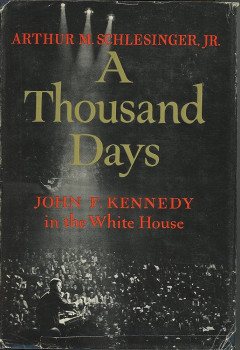
A thousand days: John F. Kennedy in the white house
As special assistant to the president, Arthur Schlesinger witnessed firsthand the politics and personalities that influenced the now legendary Kennedy administration. Schlesinger’s close relationship with JFK, as a politician and as a friend, has resulted in this authoritative yet intimate account in which the president “walks through the pages, from first to last, alert, alive, amused and …
- Edisi
- -
- ISBN/ISSN
- 0-395-08158-0
- Deskripsi Fisik
- xiv, 1087 pages : index ; 22 cm
- Judul Seri
- -
- No. Panggil
- 920.92 SCH t
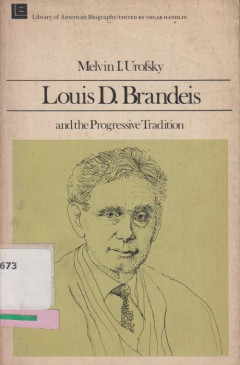
Louis D. Brandeis and the progressive tradition
This biography by Melvin I. Urofsky examines the life and judicial philosophy of Supreme Court Justice Louis D. Brandeis, one of the most influential figures in the American Progressive movement. The book explores Brandeis’s legal career, his advocacy for social and economic reform, and his lasting contributions to civil liberties, privacy rights, and democratic governance. Edited by Oscar Ha…
- Edisi
- -
- ISBN/ISSN
- 0-316-887889
- Deskripsi Fisik
- vi, 183 pages ; 19,5 cm
- Judul Seri
- -
- No. Panggil
- 347.7314092 URO l
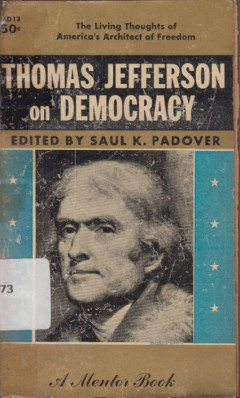
Thomas Jefferson on democracy
This book presents a selected collection of Thomas Jefferson’s writings on democracy, compiled and arranged by Saul K. Padover. It highlights Jefferson’s fundamental ideas on liberty, government, education, and the rights of citizens. The volume provides readers with an accessible overview of Jefferson’s political philosophy and his enduring influence on American democratic thought.
- Edisi
- -
- ISBN/ISSN
- -
- Deskripsi Fisik
- 186 pages ; 18 cm
- Judul Seri
- -
- No. Panggil
- 320.973 JEF t

Nothing to fear: The Selected addresses of Franklin D. Roosevelt, 1932–1945
This volume presents a curated selection of the major public addresses delivered by President Franklin D. Roosevelt between 1932 and 1945. Edited by Ben D. Zevin, the book includes speeches that shaped American policy during the Great Depression, the New Deal era, and World War II. Through these addresses, Roosevelt communicates his political vision, leadership style, and the historical challen…
- Edisi
- -
- ISBN/ISSN
- -
- Deskripsi Fisik
- xvi, 476 pages ; 17,5 cm
- Judul Seri
- -
- No. Panggil
- 973.917 ROO n
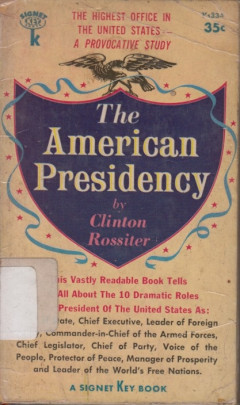
The American presidency
The book provides a readable and provocative study of the American presidency, explaining the ten dramatic roles of the President of the United States. Clinton Rossiter examines the president’s functions as head of state, chief executive, leader of foreign policy, commander-in-chief, chief legislator, party leader, and national voice. The work gives readers a clear understanding of presidenti…
- Edisi
- -
- ISBN/ISSN
- -
- Deskripsi Fisik
- 353 pages : illustrations ; 18 cm
- Judul Seri
- -
- No. Panggil
- 352.23 ROS a

Roosevelt and Hopkins: An Intimate history, volume 1 – The Men who shaped o…
Roosevelt and Hopkins: An Intimate History is Robert E. Sherwood’s detailed narrative of the partnership between President Franklin D. Roosevelt and his closest advisor, Harry Hopkins. Volume 1, The Men Who Shaped Our Lives, explores their personal relationship, political collaboration, and influence on major events during the Great Depression and World War II. Drawing from personal documents…
- Edisi
- -
- ISBN/ISSN
- -
- Deskripsi Fisik
- xvii, 341 pages : illustrations ; 17 cm
- Judul Seri
- -
- No. Panggil
- 973.917 SHE r
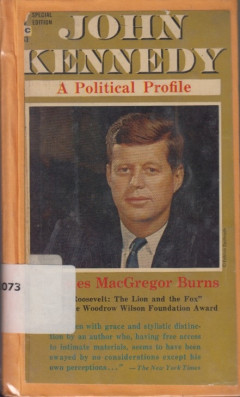
John Kennedy: A Political profile
“John Kennedy: A Political Profile” presents an insightful early biography of John F. Kennedy written by historian James MacGregor Burns. The book explores Kennedy’s upbringing, education, military service, and early political career, tracing his rise from congressman to national prominence before becoming President of the United States. Burns examines Kennedy’s character, leadership st…
- Edisi
- -
- ISBN/ISSN
- -
- Deskripsi Fisik
- xxi, 288 pages : illustrations ; 18,5 cm
- Judul Seri
- -
- No. Panggil
- 973.922 BUR j
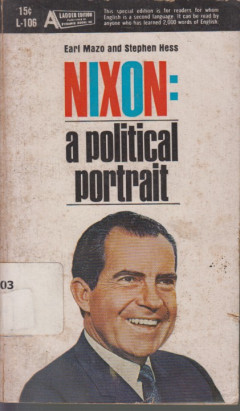
Nixon: A Political portrait
“Nixon: A Political Portrait” provides an accessible and concise account of the political rise of Richard Nixon. Written by journalists Earl Mazo and Stephen Hess, this abridged edition traces Nixon’s early career, his development as a national political figure, and the strategies that shaped his public image. Adapted for readers at a 2,000-word level, the book offers insights into Nixonâ…
- Edisi
- -
- ISBN/ISSN
- -
- Deskripsi Fisik
- 126 pages : illustrations ; 18 cm
- Judul Seri
- -
- No. Panggil
- 973.92 MAZ n
 Karya Umum
  Filsafat
  Agama
Agama  Ilmu-ilmu Sosial
  Bahasa
  Ilmu-ilmu Murni
  Ilmu-ilmu Terapan
  Kesenian, Hiburan, dan Olahraga
  Kesusastraan
  Geografi dan Sejarah