Ditapis dengan
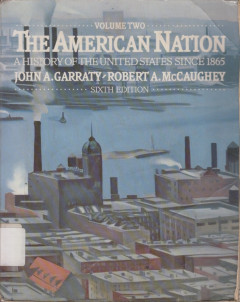
The American nation: A History of the United States since 1865
The American Nation: A History of the United States Since 1865, Volume Two provides a comprehensive examination of the political, social, and economic developments in the United States after the Civil War. This volume focuses on the Reconstruction era, the rise of industrialization, westward expansion, immigration, urbanization, and the transformation of American society into a modern nation-st…
- Edisi
- Second Edition
- ISBN/ISSN
- 0-06-042297-1
- Deskripsi Fisik
- xix, 972 pages : illustrations ; 25,5 cm
- Judul Seri
- -
- No. Panggil
- 973 GAR a
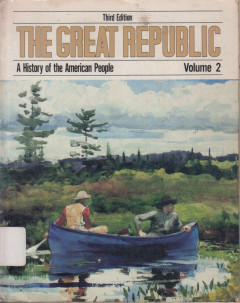
The Great republic: A History of the American people, volume 2
This volume of The Great Republic provides a comprehensive survey of American history from the Reconstruction era through the rise of modern America. Written by leading historians Frank Freidel, Richard N. Current, T. Harry Williams, and Alan Brinkley, the book explores political developments, social transformations, economic expansion, and cultural change in the United States. As part of a wid…
- Edisi
- -
- ISBN/ISSN
- 0-669-91390-4
- Deskripsi Fisik
- xlviii, 869 pages : illustrations ; 25,5 cm
- Judul Seri
- -
- No. Panggil
- 973 FRE g
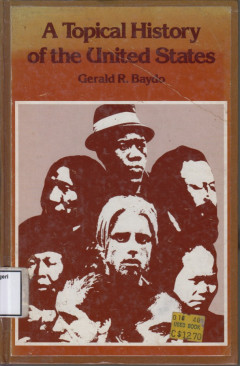
A Topical history of the United States
The topical history of the United States deals with the major themes in America's past and helps the reader to understand the continuity of American history and to approach each topic as an integrated whole. Many special features highlight this stimulating history: - Each chapter contains text, discussion questions that require specific answers from textual material, thought questions that inte…
- Edisi
- -
- ISBN/ISSN
- 0-88273-008-8
- Deskripsi Fisik
- viii, 534 pages ; 24 cm
- Judul Seri
- -
- No. Panggil
- 973 BAY t

The Social fabric: American life from 1607 to the civil war (Second edition)
This anthology presents a collection of historical documents and scholarly essays exploring the social, economic, and cultural development of the United States from 1607 to the Civil War. Edited by John H. Cary and Julius Weinberg, the volume examines everyday life, class structures, labor, religion, and social change in early America. Through primary sources and interpretative analyses, the bo…
- Edisi
- -
- ISBN/ISSN
- -
- Deskripsi Fisik
- xii, 337 pages : illustrations ; 23 cm
- Judul Seri
- -
- No. Panggil
- 973 CAR s
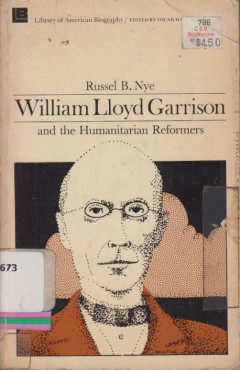
William Lloyd Garrison and the humanitarian reformers
This biography, written by Russel B. Nye and edited by Oscar Handlin, explores the life and influence of William Lloyd Garrison, one of the most prominent leaders of the American abolitionist movement. The book examines Garrison’s humanitarian ideals, his role in the fight against slavery, and his impact on broader social reform efforts in nineteenth-century America. Through detailed historic…
- Edisi
- -
- ISBN/ISSN
- -
- Deskripsi Fisik
- vi, 215 pages ; 20 cm
- Judul Seri
- -
- No. Panggil
- 326.8092 NYE w
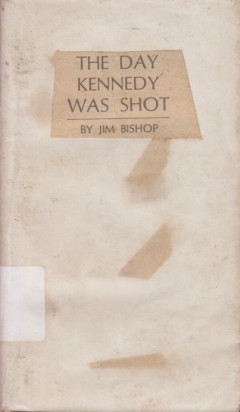
The Day Kennedy was shot
This book provides a detailed, hour-by-hour chronicle of the events surrounding the assassination of President John F. Kennedy on November 22, 1963. Jim Bishop reconstructs the day through eyewitness accounts, official reports, and narrative storytelling, offering readers an intimate and dramatic perspective on one of the most tragic moments in American history.
- Edisi
- -
- ISBN/ISSN
- 0-06-080190-5
- Deskripsi Fisik
- xviii, 621 pages ; 18 cm
- Judul Seri
- -
- No. Panggil
- 973 BIS d

Roosevelt and Hopkins: An Intimate history. Volume 1: The Men who shaped our …
This volume presents an intimate historical account of President Franklin D. Roosevelt and his closest advisor, Harry Hopkins. Through detailed narrative and primary sources, Robert E. Sherwood explores the personalities, political dynamics, and strategic decisions that shaped the United States during the Great Depression and World War II. The book highlights Hopkins’ vital role in wartime di…
- Edisi
- -
- ISBN/ISSN
- -
- Deskripsi Fisik
- xvii, 341 pages ; 16 cm
- Judul Seri
- -
- No. Panggil
- 973.917 SHE r

Roosevelt and Hopkins: An Intimate history. Volume 1: The Men who shaped our …
This volume offers an in-depth narrative of the close working relationship between President Franklin D. Roosevelt and his trusted advisor Harry Hopkins. Drawing from government records and personal correspondence, Robert E. Sherwood illustrates how both men shaped critical decisions during the turbulent years leading to and during World War II. The book provides insights into Roosevelt’s lea…
- Edisi
- -
- ISBN/ISSN
- -
- Deskripsi Fisik
- 633 pages ; 16 cm
- Judul Seri
- -
- No. Panggil
- 973.917 SHE r

Abraham Lincoln and the times that tried his soul
This book presents Emil Ludwig’s compelling biographical portrait of Abraham Lincoln, focusing on the turbulent political and moral challenges he faced during one of the most defining eras in American history. Drawing from historical documents and personal writings, Ludwig explores Lincoln’s character, leadership, and inner struggles as he guided the United States through civil conflict and…
- Edisi
- -
- ISBN/ISSN
- -
- Deskripsi Fisik
- ix, 284 pages : illustrations ; 19 cm
- Judul Seri
- -
- No. Panggil
- 973.7092 LUD a
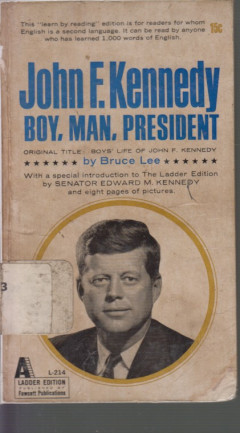
John F. Kennedy: Boy, man, president
This abridged “Ladder Edition” narrates the life of John F. Kennedy from his childhood through his growth into a national leader and ultimately the President of the United States. Adapted for readers at the 1,000-word level, the book presents key events, character-shaping experiences, and personal stories that reveal Kennedy’s development as a statesman. It highlights his family backgroun…
- Edisi
- -
- ISBN/ISSN
- -
- Deskripsi Fisik
- 125 pages : illustrations ; 18 cm
- Judul Seri
- -
- No. Panggil
- 973.922092 LEE j
 Karya Umum
  Filsafat
  Agama
Agama  Ilmu-ilmu Sosial
  Bahasa
  Ilmu-ilmu Murni
  Ilmu-ilmu Terapan
  Kesenian, Hiburan, dan Olahraga
  Kesusastraan
  Geografi dan Sejarah