Ditapis dengan
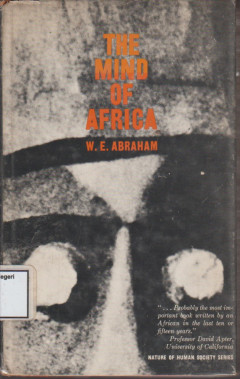
The Mind of Africa
W. E. Abraham's The Mind of Africa is a philosophical study examining the foundations of African thought, consciousness, and worldview. It highlights how historical experiences, culture, and traditional values shape how Africans understand themselves and the world around them. Abraham seeks to capture the spiritual and intellectual essence of Africa, while challenging often erroneous West…
- Edisi
- -
- ISBN/ISSN
- -
- Deskripsi Fisik
- 206 pages : illustration ; 22 cm
- Judul Seri
- -
- No. Panggil
- 960 ABR m
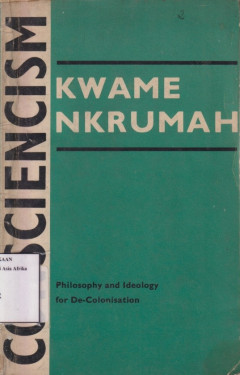
Consciencism: Philosophy and ideology for decolonisation
Consciencism is Kwame Nkrumah’s influential work on the philosophical foundations of African liberation and political transformation. In this book, Nkrumah outlines a comprehensive ideological system intended to guide newly independent African nations toward unity, social justice, and economic independence. He examines the cultural and historical forces that shaped modern Africa and argues fo…
- Edisi
- -
- ISBN/ISSN
- 901787-11-6
- Deskripsi Fisik
- vi, 122 pages ; 21,5 cm
- Judul Seri
- -
- No. Panggil
- 320.9609 KWA c

Thailand a short history
This hightly acclaimed book, the standard history of Thailand for more than twenty years, has now been completely revised by the author, with new sections examining the social and economic changes that have transformed the country in the last two decades.
- Edisi
- Second Edition
- ISBN/ISSN
- 974957544X
- Deskripsi Fisik
- xvi, 352 pages : illustration, index ; 24 cm
- Judul Seri
- -
- No. Panggil
- 959.3 WAY t

Universal message of the bgahavad gita: An Exposition of the gita in the ligh…
Swami Ranganathananda’s modern and philosophical exposition of the Bhagavad Gita. Written for contemporary readers, the book interprets the teachings of the Gita in relation to modern human needs, ethical challenges, and spiritual development. Swami Ranganathananda combines traditional Vedantic insights with practical reflections on daily life, social responsibility, and universal values. Thi…
- Edisi
- -
- ISBN/ISSN
- 81-7505-106-7
- Deskripsi Fisik
- 519 pages ; 22 cm
- Judul Seri
- -
- No. Panggil
- 294.5924 RAN u

Indian philosophy
Sarvepalli Radhakrishnan's Indian Philosophy Volume I is a comprehensive study of the early development of Indian philosophy. This book discusses the origins of Indian thought through the Vedas, Upanishads, Buddhism, Jainism, to early orthodox systems. Radhakrishnan places Indian philosophy as a tradition that is dynamic, rational, and relevant to the development of global thought. This volume …
- Edisi
- -
- ISBN/ISSN
- -
- Deskripsi Fisik
- 788 pages ; 22 cm
- Judul Seri
- Volume I
- No. Panggil
- 100.970 RAD i
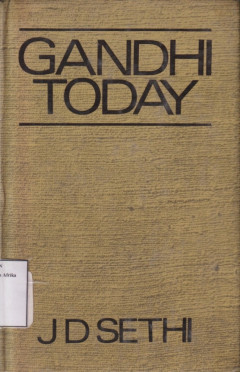
Gandhi Today
Gandhi Today examines the enduring relevance of Mahatma Gandhi’s ideas on nonviolence, social justice, and political transformation in contemporary society. J. D. Sethi discusses how Gandhian philosophy continues to influence modern political movements, social reform initiatives, and grassroots activism in India and beyond. The book highlights Gandhi’s perspectives on truth, moral leadershi…
- Edisi
- -
- ISBN/ISSN
- -
- Deskripsi Fisik
- 211 pages ; 22 cm
- Judul Seri
- -
- No. Panggil
- 320.55 SET g
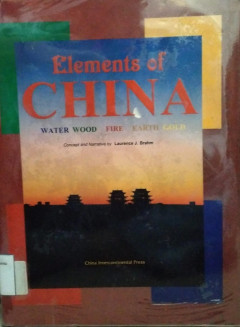
Elements of China: water, wood, fire, earth, gold
This visually rich cultural volume introduces readers to the Five Elements—Water, Wood, Fire, Earth, and Gold—which form the symbolic foundation of traditional Chinese philosophy, aesthetics, and identity. Laurence J. Brahm explores how these elements have shaped China’s history, architecture, arts, lifestyles, beliefs, and environmental perspectives. Through narrative and imagery, the bo…
- Edisi
- -
- ISBN/ISSN
- 7-5085-0045-8
- Deskripsi Fisik
- 203 pages : Ilustrations ; 29,5 cm
- Judul Seri
- -
- No. Panggil
- 951 BRA e

Elements of China: Water, wood, fire, earth, gold
This stunning photo collection explores China's geography, culture, and heritage through the lens of the Five Elements (Wu Xing) philosophy: water, wood, fire, earth, and gold (metal). Each section is dedicated to a single element, showcasing how that element manifests in the Chinese landscape, traditional architecture, art, and everyday life, providing a unique visual understanding of the rela…
- Edisi
- -
- ISBN/ISSN
- 978-7-5085-1392-8
- Deskripsi Fisik
- 237 pages : illustrations ; 33 cm
- Judul Seri
- -
- No. Panggil
- 910.51 BRA e
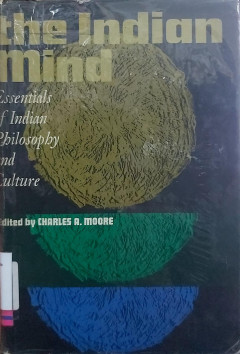
The Indian mind: Essentials of Indian philosophy and culture
The question, according to George P. Conger, noted authority on Indian philosophy, is not so much whether India can contribute as whether the West is ready to receive. Here, in selected essays from the Proceedings of the East-West Philosophers’ Conferences held during the last twenty-five years, is an examination by world authorities of one of the oldest, richest, most complicated, and mos…
- Edisi
- -
- ISBN/ISSN
- -
- Deskripsi Fisik
- xi, 458 pages ; 23 cm
- Judul Seri
- -
- No. Panggil
- 181.4 MOO i

Indian philosophy
Indian Philosophy Volume II continues Sarvepalli Radhakrishnan's discussion of the major systems of Indian philosophy. This volume highlights the development of thought in the Nyaya, Vaisesika, Samkhya, Yoga, Purva Mimamsa, and Advaita Vedanta schools. Radhakrishnan explains the structure of logic, metaphysics, theory of knowledge, ethics, and the purpose of life according to various traditions…
- Edisi
- -
- ISBN/ISSN
- -
- Deskripsi Fisik
- 807 pages ; 22 cm
- Judul Seri
- Volume II
- No. Panggil
- 100.970 RAD i
 Karya Umum
  Filsafat
  Agama
Agama  Ilmu-ilmu Sosial
  Bahasa
  Ilmu-ilmu Murni
  Ilmu-ilmu Terapan
  Kesenian, Hiburan, dan Olahraga
  Kesusastraan
  Geografi dan Sejarah