Ditapis dengan
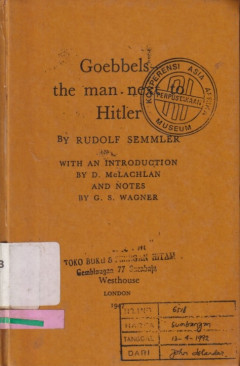
Goebbels: The Man next to Hitler
This book is the personal account of Rudolf Semmler, one of Joseph Goebbels' closest associates, the Nazi German Minister of Propaganda. Through the author's personal experiences, this book describes Goebbels' personality, leadership style, propaganda strategies, and his relationship with Adolf Hitler and the inner circle of the Nazi Party. With an introduction by D. McLachlan and additional no…
- Edisi
- -
- ISBN/ISSN
- -
- Deskripsi Fisik
- 234 pages : illustration ; 18,5 cm
- Judul Seri
- -
- No. Panggil
- 943.086092 SEM g
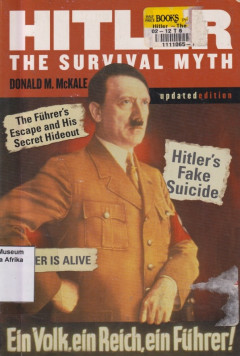
Hitler: The Survival myth
This book critically examines the myth surrounding Adolf Hitler's possible survival after the collapse of Nazi Germany in 1945. Donald M. McKale traces the origins of conspiracy theories about Hitler's escape, how rumors spread through propaganda, conflicting testimonies, and postwar intelligence reports. Using various historical sources and official documents, the author explains why these myt…
- Edisi
- -
- ISBN/ISSN
- 0-8154-1128-6
- Deskripsi Fisik
- xxiv, 270 pages : illustration ; 22,5 cm
- Judul Seri
- -
- No. Panggil
- 943.086092 MCK h

Canaris
Canaris is a biography of Admiral Wilhelm Canaris, an important figure who led the German military intelligence service (Abwehr) during the Nazi era. Written by Karl Heinz Abshagen and translated by Alan Houghton Brodrick, this book describes Canaris' life, career, and complex role in the German intelligence network. In addition to being a high-ranking officer, Canaris was known for his ambival…
- Edisi
- -
- ISBN/ISSN
- -
- Deskripsi Fisik
- 264 pages ; 22 cm
- Judul Seri
- -
- No. Panggil
- 303.6443 ABS c
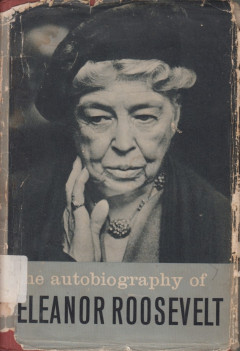
The Autobiography of Eleanor Roosevelt
This autobiography presents the life story of Eleanor Roosevelt, one of the most influential First Ladies and human rights advocates of the twentieth century. Written in her own voice, the book recounts her childhood, personal struggles, public role during Franklin D. Roosevelt’s presidency, and her later work with the United Nations. It offers an intimate look into her development as a polit…
- Edisi
- -
- ISBN/ISSN
- -
- Deskripsi Fisik
- 368 pages : illustrations ; 23,5 cm
- Judul Seri
- -
- No. Panggil
- 973.917092 ROO a
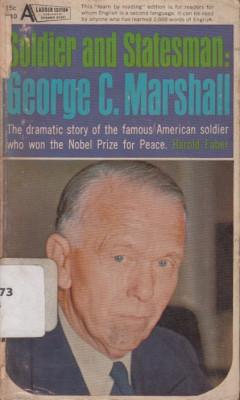
Soldier and statesman: George C. Marshall
This Ladder Edition introduces the life and achievements of George C. Marshall, one of the most influential American military leaders and statesmen of the twentieth century. Written by Harold Faber and adapted by Naomi Kisch, the book presents a simplified narrative highlighting Marshall’s military career, his leadership during World War II, and his pivotal diplomatic role in shaping the post…
- Edisi
- -
- ISBN/ISSN
- -
- Deskripsi Fisik
- 125 pages ; 18 cm
- Judul Seri
- -
- No. Panggil
- 355.0092 FAB s

The Day Kennedy was shot
This book provides a detailed, hour-by-hour chronicle of the events surrounding the assassination of President John F. Kennedy on November 22, 1963. Jim Bishop reconstructs the day through eyewitness accounts, official reports, and narrative storytelling, offering readers an intimate and dramatic perspective on one of the most tragic moments in American history.
- Edisi
- -
- ISBN/ISSN
- 0-06-080190-5
- Deskripsi Fisik
- xviii, 621 pages ; 18 cm
- Judul Seri
- -
- No. Panggil
- 973 BIS d

With Kennedy
With Kennedy is a memoir written by Pierre Salinger, one of President John F. Kennedy’s closest aides and Press Secretary. The book provides an intimate and detailed account of Kennedy’s leadership, personality, and decision-making during his presidency. Salinger offers firsthand insights into major political events, behind-the-scenes moments in the White House, and the challenges faced by …
- Edisi
- -
- ISBN/ISSN
- -
- Deskripsi Fisik
- xv, 476 pages : illustrations ; 18 cm
- Judul Seri
- -
- No. Panggil
- 923.173 SAL w
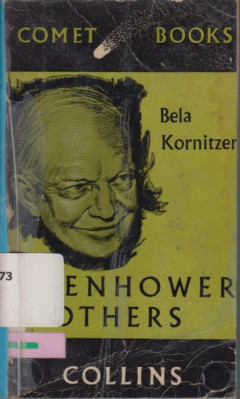
The Eisenhower brothers
“The Eisenhower Brothers” by Bela Kornitzer presents a compelling dual biography of Dwight D. Eisenhower, the Supreme Allied Commander during World War II and later President of the United States, and his brother Milton Eisenhower, a distinguished educator and public administrator. The book traces their early life, family values, personal struggles, and rise to national prominence. Through …
- Edisi
- -
- ISBN/ISSN
- -
- Deskripsi Fisik
- 254 pages ; 17,5 cm
- Judul Seri
- -
- No. Panggil
- 923.173 KOR e
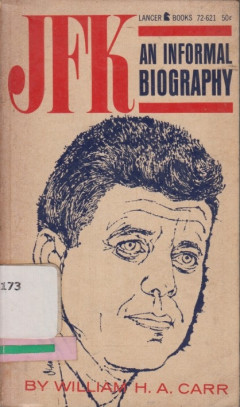
JFK: An Informal biography
JFK: An Informal Biography presents an accessible narrative of the life of John F. Kennedy, tracing his early years, education, military service, political rise, and eventual presidency. Written in an informal style, the book aims to introduce young and general readers to Kennedy’s character, family background, and public career. It highlights the influences that shaped him as a leader and pr…
- Edisi
- -
- ISBN/ISSN
- -
- Deskripsi Fisik
- 143 pages ; 18 cm
- Judul Seri
- -
- No. Panggil
- 923.173 CAR j
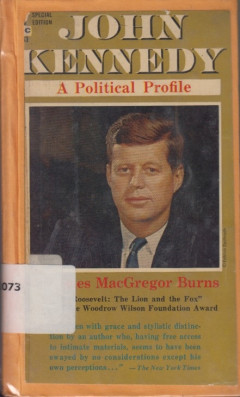
John Kennedy: A Political profile
“John Kennedy: A Political Profile” presents an insightful early biography of John F. Kennedy written by historian James MacGregor Burns. The book explores Kennedy’s upbringing, education, military service, and early political career, tracing his rise from congressman to national prominence before becoming President of the United States. Burns examines Kennedy’s character, leadership st…
- Edisi
- -
- ISBN/ISSN
- -
- Deskripsi Fisik
- xxi, 288 pages : illustrations ; 18,5 cm
- Judul Seri
- -
- No. Panggil
- 973.922 BUR j
 Karya Umum
 Filsafat
 Agama
 Ilmu-ilmu Sosial
 Bahasa
 Ilmu-ilmu Murni
 Ilmu-ilmu Terapan
 Kesenian, Hiburan, dan Olahraga
 Kesusastraan
 Geografi dan Sejarah