Ditapis dengan
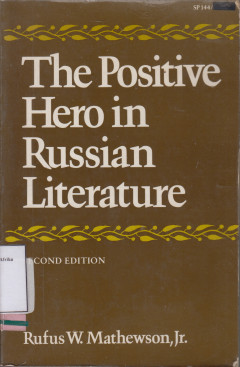
The Positive hero in Russian literature
The Positive Hero in Russian Literature is a seminal study by Rufus W. Mathewson, Jr., examining the evolution of the “positive hero” as an ideological and literary construct in Russian and Soviet literature. Through an analysis of major writers and canonical texts, the book traces how the concept of the idealized heroic figure developed from pre-revolutionary traditions to its central role…
- Edisi
- -
- ISBN/ISSN
- 0-8047-0836-3
- Deskripsi Fisik
- xix, 369 pages ; 21,5 cm
- Judul Seri
- -
- No. Panggil
- 891.709 MAT p

Sterling–dollar diplomacy: Anglo-American collaboration in the reconstructi…
This seminal study by Richard N. Gardner examines the economic diplomacy between the United States and the United Kingdom in the years following World War II. The book analyzes how both nations collaborated to rebuild a stable and cooperative system of multilateral trade. Gardner explores key negotiations, policy debates, and institutional developments that shaped the postwar economic order, in…
- Edisi
- -
- ISBN/ISSN
- -
- Deskripsi Fisik
- xxii, 423 pages : illustrations ; 22 cm
- Judul Seri
- -
- No. Panggil
- 382.9 GAR s
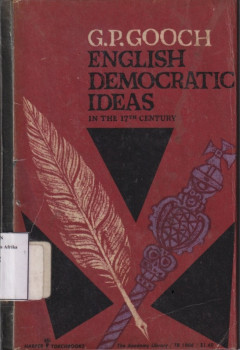
English Democratic Ideas in the Seventeenth Century
This book examines the development of democratic ideas in 17th-century England, including the thinking of figures such as the Levellers, Milton, Harrington, and other political groups during the English Revolution. G. P. Gooch traces the origins of modern democratic ideas through the political conflicts, religious upheavals, and constitutional changes that occurred during this period. This edit…
- Edisi
- -
- ISBN/ISSN
- -
- Deskripsi Fisik
- x, 309 pages ; 20,5 cm
- Judul Seri
- -
- No. Panggil
- 320.42 GOO e

Leaders, leadership, & U. S. policy in Latin America
In this book Michael Kryzanek examines the ways in which the critical interaction between individual leaders and the U.S. policy community affects the substance and direction of hemispheric relations. Throughout, the author uses case studies to illustrate how individual heads of state respond to the issues of drugs, debt, trade, and regional security. Such leaders as Salinas of Mexico, Gaviria …
- Edisi
- -
- ISBN/ISSN
- 0-8133-7950-4
- Deskripsi Fisik
- xii, 249 pages : index ; 23 cm
- Judul Seri
- -
- No. Panggil
- 327.7308 KRY l

The Spanish Revolution: The Left and the struggle for power during the civil war
This book is an in-depth study of the political and ideological dynamics of the Spanish left during the 1936–1939 Civil War. Burnett Bolloten provides a detailed analysis of the internal rivalries between leftist factions—including anarchists, socialists, and communists—and how the struggle for power within the republic significantly influenced the course of the revolution and the outcome…
- Edisi
- -
- ISBN/ISSN
- 0-8078-1297-8
- Deskripsi Fisik
- xxv, 664 pages ; 23,5 cm
- Judul Seri
- -
- No. Panggil
- 946.081 BOL s

Diplomacy of power: Soviet armed forces as a political instrument
The book Diplomacy of Power discusses how the Soviet Armed Forces were used as a political instrument in Soviet foreign policy during the 20th century. Stephen S. Kaplan and a number of other experts describe the relationship between military strategy, diplomacy, and the global goals of the Soviet Union during the Cold War era. Through historical analysis and policy studies, this book describes…
- Edisi
- -
- ISBN/ISSN
- 0-8157-4824-8
- Deskripsi Fisik
- xvi, 733 pages ; 23 cm
- Judul Seri
- -
- No. Panggil
- 327.170947 KAP d

Dutch houses and castles
This book presents a visual and historical overview of the historic mansions, palaces, and castles of the Netherlands. The text is written by Jorge Guillermo, while photographs by Nicolas Sapieha document the architectural details, interiors, and surroundings of each building. The book highlights the development of Dutch architecture, the influence of European culture, and the role of historic …
- Edisi
- -
- ISBN/ISSN
- 9781850432373
- Deskripsi Fisik
- 208 pages : illustration ; 31 cm
- Judul Seri
- -
- No. Panggil
- 720.9492 GUL d

William the silent: William of Nassau, Prince of Orange, 1533–1584
This is an in-depth biography of William the Silent, or William of Nassau, Prince of Orange (1533–1584), a key figure in the Dutch struggle for independence against Spanish rule in the 16th century. C. V. Wedgwood presents a comprehensive overview of William's personal life, European political background, leadership strategies, and crucial role as leader of the Dutch Revolt. Through strong hi…
- Edisi
- -
- ISBN/ISSN
- -
- Deskripsi Fisik
- 256 pages : illustration ; 20,5 cm
- Judul Seri
- -
- No. Panggil
- 923.1 WED w

The Conscience of the revolution: Communist opposition in Soviet Russia
The Conscience of the Revolution by Robert Vincent Daniels is an in-depth study of opposition groups within the Communist Party of the Soviet Union during the early years of Bolshevik rule. Daniels traces the internal dynamics of the party from the 1917 Revolution to Stalin's consolidation of power, focusing on figures such as Trotsky, Bukharin, Zinoviev, and other opposition figures. Through a…
- Edisi
- -
- ISBN/ISSN
- -
- Deskripsi Fisik
- 524 pages ; 24 cm
- Judul Seri
- -
- No. Panggil
- 947.084 DAN c

Het dagboek van Schermerhorn : geheim verslag van prof. dr. ir. W. Schermerho…
This book is the second part of the secret diary of Prof. Dr. Ir. Willem Schermerhorn, chairman of the Commissie-Generaal who represented the Dutch government in negotiations with the Republic of Indonesia during the period of September 20, 1946 to October 7, 1947. This note contains important information about the Dutch diplomatic strategy, negotiation processes such as Linggadjati, the politi…
- Edisi
- -
- ISBN/ISSN
- -
- Deskripsi Fisik
- 954 pages : illustration ; 23 cm
- Judul Seri
- -
- No. Panggil
- 959.804 SCH h
 Karya Umum
  Filsafat
  Agama
Agama  Ilmu-ilmu Sosial
  Bahasa
  Ilmu-ilmu Murni
  Ilmu-ilmu Terapan
  Kesenian, Hiburan, dan Olahraga
  Kesusastraan
  Geografi dan Sejarah